Choosing Italian Porcelain Tile Collections
A tile can set the standard for an entire room before the furniture, lighting or paint colour is chosen. The best Italian porcelain tile collections bring that level of design confidence together with the practical qualities needed for busy homes, boutique hospitality spaces and demanding commercial interiors. From refined stone effects to architectural concrete, warm timber looks and richly detailed decorative surfaces, the right collection needs to suit both the scheme and the way the space will be used.
Why Italian porcelain tile collections stand out
Italian tile manufacturers have long influenced the direction of interior surface design. Their collections are often developed around carefully studied natural materials, with attention paid to variation, texture, edge detail and the scale of the pattern. This matters because a convincing stone-effect or marble-effect tile should not look repetitive across a large floor.
Porcelain is also a highly practical choice. It is fired at high temperatures to create a dense, low-porosity material that is hardwearing, easy to maintain and well suited to walls and floors. Many ranges can be used through kitchens, bathrooms, hallways, utility rooms and open-plan living areas, helping a project feel connected without relying on identical finishes in every room.
That said, Italian design is not a substitute for correct specification. A polished marble-look tile may be ideal for a statement bathroom wall, but a textured or matt finish can be the more sensible option for a family entrance hall or a wet-area floor. The collection, finish, format and installation system all need to work together.
Start with the room, not the trend
The most successful tile choices respond to light, footfall, cleaning routines and the surrounding materials. A dramatic veined porcelain may look exceptional on a showroom panel, yet need a generous, well-lit space to show its full character. Conversely, a calm limestone-effect porcelain can give a compact bathroom or narrow hallway a more relaxed, expansive feel.
For bathrooms, consider whether the same collection is available in complementary wall and floor formats. Large-format tiles can create a clean, contemporary appearance with fewer grout joints, while mosaics or smaller formats can introduce grip and give the floor a more crafted finish. In shower areas, the tile's slip properties and the falls required for drainage should guide the decision.
In kitchens and living spaces, durability is usually straightforward with porcelain. The more considered choice is the surface finish. A softly matt tile is forgiving of everyday marks and works well with timber cabinetry, painted joinery and natural textures. Polished finishes reflect light beautifully and can make a room feel more formal, although they tend to show water marks and footprints more readily.
For hallways and commercial receptions, choose a finish with appropriate slip resistance and a pattern that will remain practical under regular use. Mid-tone stone or concrete effects are often more forgiving than plain very pale or very dark surfaces. This is where performance should lead the specification, with the visual direction following closely behind.
Select a porcelain effect with staying power
Stone-effect porcelain
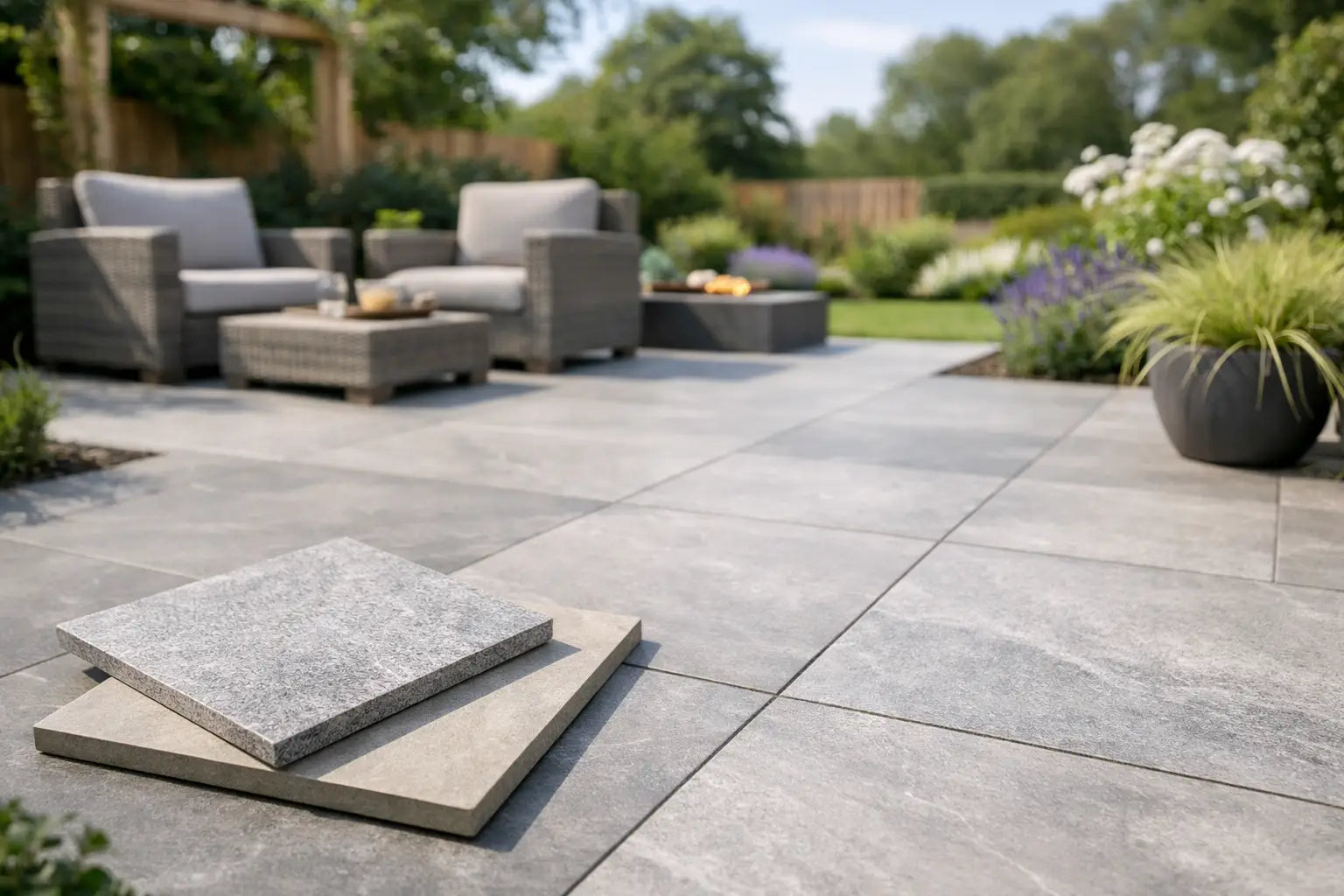
Stone-effect collections remain a dependable choice because they add texture without making a scheme feel overly busy. Italian interpretations of limestone, travertine, slate and quartzite often include subtle shade variation and realistic surface relief. They work particularly well in kitchens, ground-floor living areas and contemporary bathrooms where the aim is an understated, natural finish.
Look at the range of faces within a collection before committing. More variations generally create a more natural result over larger areas. If a particular tile has pronounced movement, establish the laying pattern and blend tiles from different boxes during installation so that similar faces do not cluster together.
Marble-effect porcelain
Marble-effect porcelain offers the drama of natural veining with less ongoing care than real marble. It can suit bathrooms, cloakrooms, hotel-style en suites and feature walls, particularly in large formats. White and soft grey marbles create a classic look, while warmer creams, deep greens and dark veined designs bring more impact.
The trade-off is visual scale. Strong veining needs room to breathe, and cuts around niches, basins and fittings should be planned carefully. For a more considered finish, agree the direction of the vein before fixing begins, especially when tiles are being bookmatched or used across a feature wall.
Concrete and resin-effect porcelain
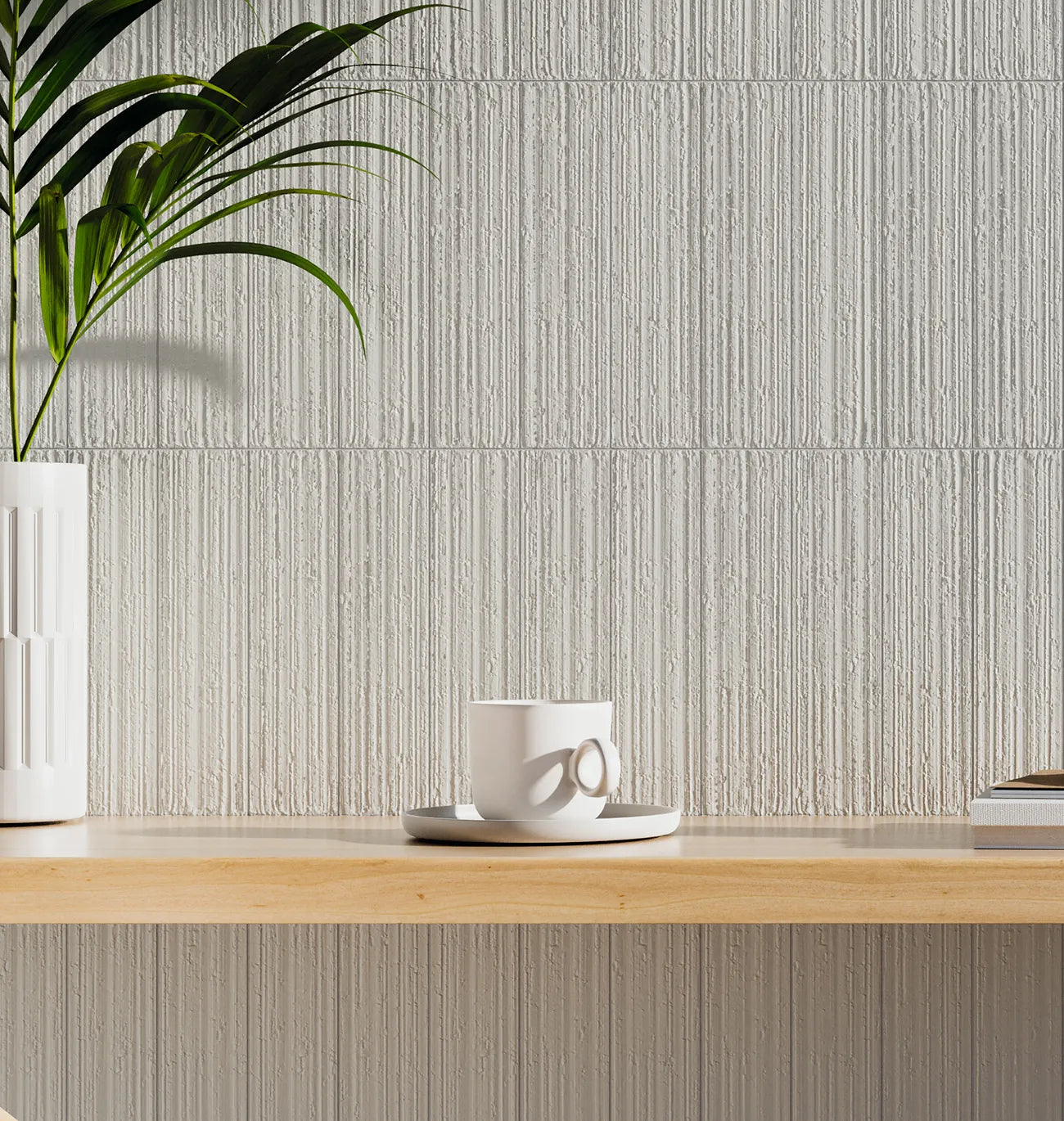
Concrete-effect porcelain gives a pared-back architectural look without the variability, sealing requirements or curing considerations associated with poured concrete. It is particularly effective in open-plan interiors, retail spaces and modern bathrooms. Soft greys remain versatile, but warmer taupe, sand and clay shades can make a minimal scheme feel less stark.
These collections usually sit well alongside black metal details, oak cabinetry, microcement-style finishes and textured fabrics. A rectified edge can support narrow grout joints, although the substrate must be sufficiently flat for the chosen tile size and joint width.
Wood-effect porcelain
Wood-effect porcelain is a practical option where the visual warmth of timber is wanted in areas exposed to water, dirt or frequent cleaning. It is especially useful in kitchens, utility rooms, bathrooms and ground-floor spaces that continue out to a patio or garden room. Plank formats can be laid in straight, staggered or herringbone arrangements, depending on the collection and room proportions.
Avoid choosing only by colour. Consider the plank length, grain variation and repeat level, as these are what make the finished floor feel convincing. A large herringbone layout may need more cutting, more material allowance and more installation time than a straightforward plank pattern.
Format, finish and grout make the difference
Tile size affects more than appearance. Large-format porcelain can reduce visual interruption and work brilliantly in spacious rooms, but it places greater demands on preparation, handling and levelling. Smaller formats can suit uneven room shapes, detailed layouts and areas where falls are required, while offering more grout lines for underfoot grip.
Rectified porcelain tiles have precisely cut edges, allowing a tighter, more contemporary joint where the floor or wall is properly prepared. Non-rectified tiles generally require a slightly wider grout joint and can lend a softer, more traditional character. Neither is automatically better - the choice should reflect the collection and installation conditions.
Grout deserves equal attention. A closely matched grout keeps a stone-effect floor calm and continuous. A contrasting grout can define a decorative wall tile or geometric layout, but it will make every line more visible. For high-use floors, choose a grout suitable for the setting and consider how its colour will look after months of daily use, not only on installation day.
Plan the installation before placing the order
Premium porcelain performs best when the groundwork is right. Floor flatness, wall condition, moisture levels, movement joints and background type should all be checked before tiles arrive. Large formats and patterned layouts are less forgiving of uneven substrates, and correcting problems after fixing is costly.
Quantity planning should include cuts, breakages and the layout. A simple straight lay may require a modest allowance, while diagonal patterns, herringbone, multiple room transitions or heavily veined tiles will usually need more. Ordering sufficient material from the same batch is sensible, particularly where shade variation is part of the design.
The adhesive, grout, trims, levelling system and tile backer boards should be selected for the tile, substrate and location. Bathrooms and wet areas require suitable waterproofing measures, while underfloor heating needs compatible flexible installation materials and a correctly commissioned heating system. These details are not extras - they protect the appearance and lifespan of the finished surface.
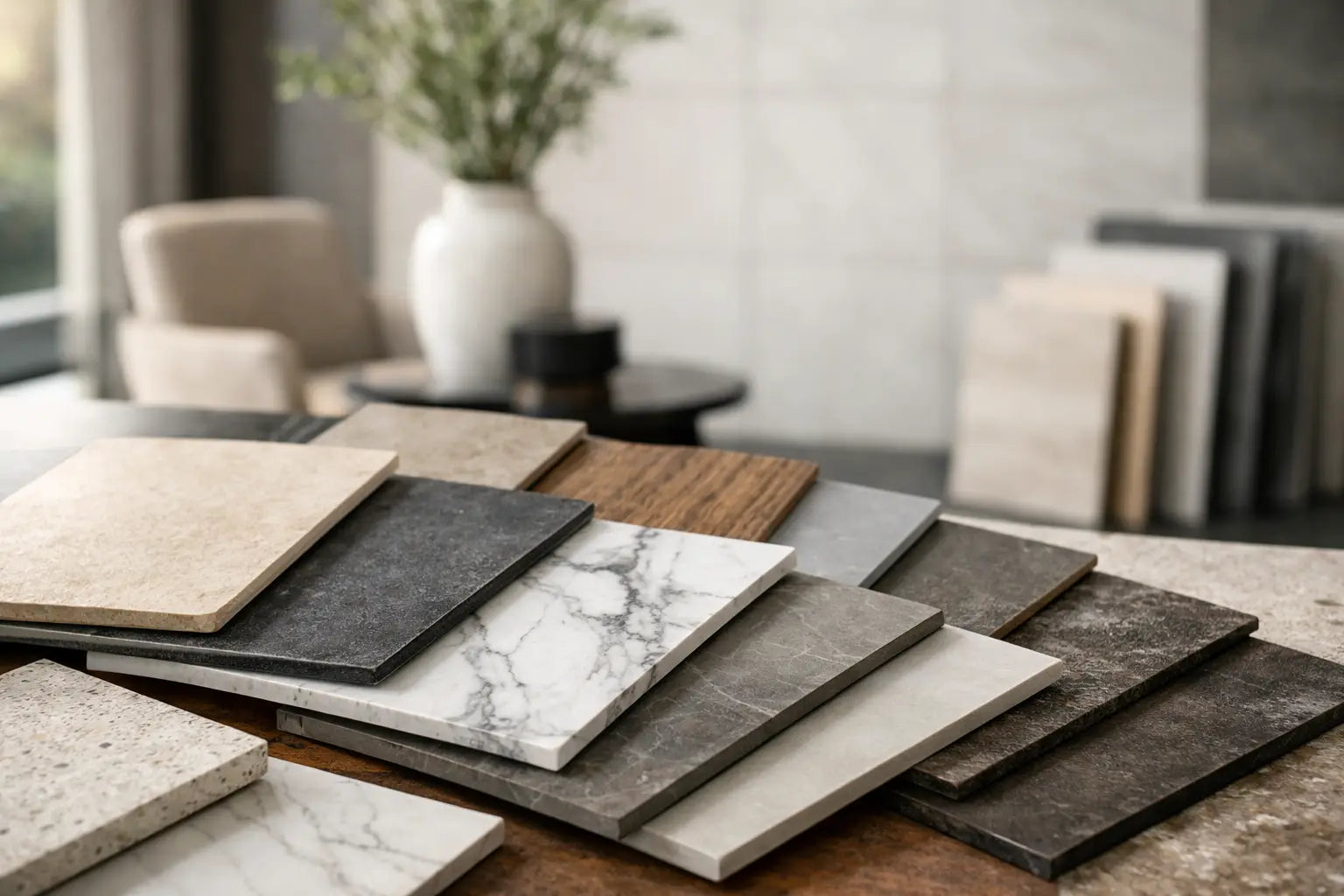
For customers comparing samples, Smart Tiles can help bring the design and technical sides of the decision together. Viewing a sample beside cabinet doors, worktops, paint and flooring is valuable, but it should also be assessed in the room's natural and artificial light. A shade that feels cool in a north-facing kitchen can look entirely different under warm evening lighting.
A considered choice for lasting interiors
Italian porcelain tile collections offer exceptional scope, from quiet natural surfaces to statement-led decorative finishes. The strongest specification is rarely the most dramatic option in isolation. It is the collection that fits the room's light, scale, traffic and maintenance expectations, then is installed with the preparation and materials it deserves.
Choose samples with the full scheme in mind, allow enough material for the layout, and settle the technical details before work begins. That approach gives the finished space the composed, long-lasting quality that makes a well-chosen porcelain surface worth investing in.