Spanish Tile Design Ideas for Characterful Homes
A patterned floor can change the entire reading of a hallway before a single piece of furniture is added. That is the enduring appeal behind Spanish tile design ideas: they bring colour, geometry and a sense of permanence to spaces that need to work hard every day. Used with restraint, Spanish-inspired tiles feel considered rather than themed, equally at home in a Victorian terrace, a contemporary extension or a boutique hospitality scheme.
The most successful schemes begin with the surface itself. Consider how the tile will perform underfoot, how much natural light the room receives and whether the design needs to lead the space or support other finishes. Spanish tile style is broad, from encaustic-look porcelain and hand-finished ceramic to softly weathered stone effects, so the best choice depends on the room and the level of visual impact required.
Spanish Tile Design Ideas for Floors and Walls
Create a welcoming patterned hallway
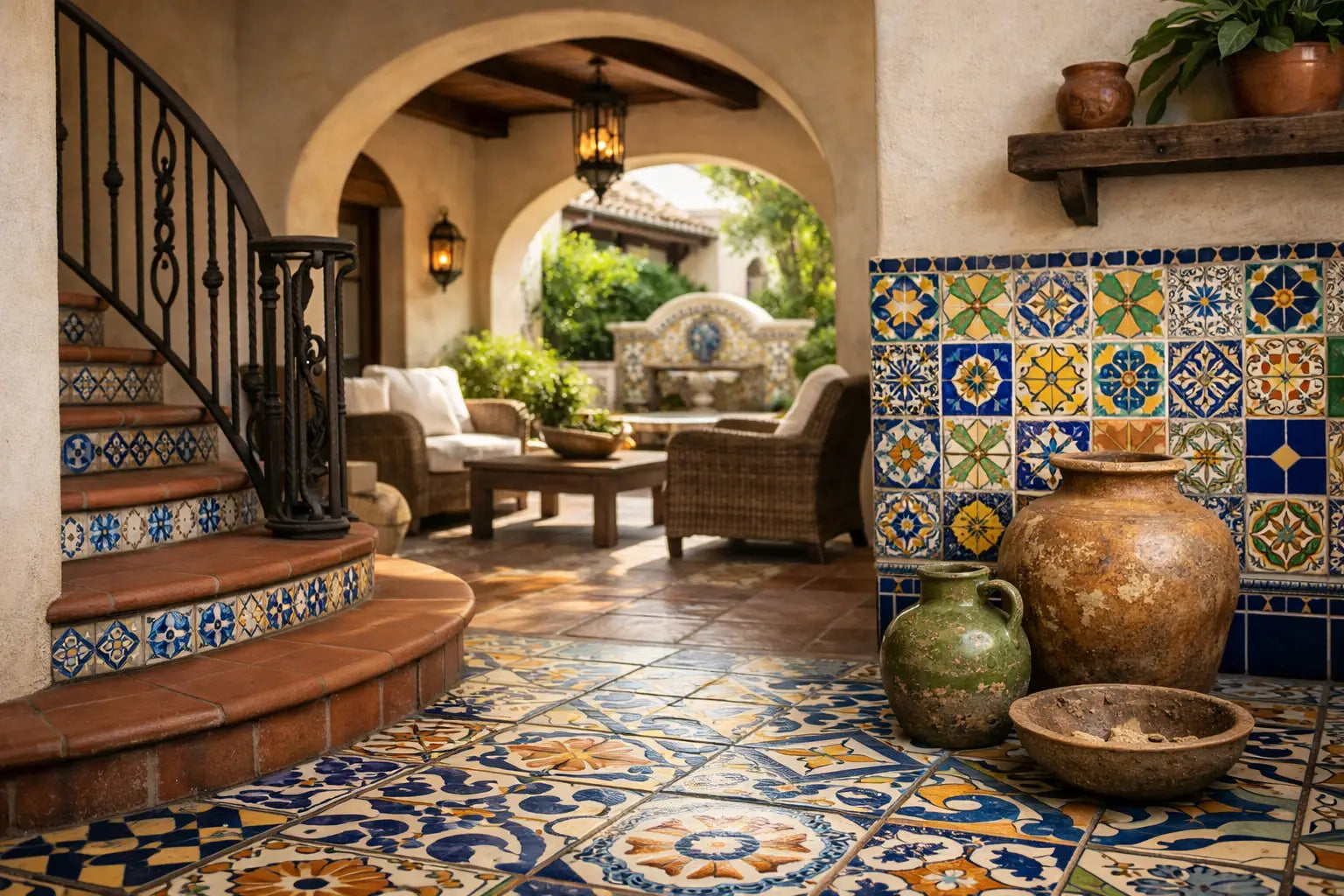
A Spanish-inspired patterned porcelain floor is a practical way to give an entrance hall identity. Traditional star, floral and geometric motifs work particularly well in narrow hallways because they create movement across the floor and draw the eye through the space. For homes with original features, choose a design with softened tones such as charcoal, warm white, faded blue or clay rather than a high-contrast black and white pattern.
Porcelain is often the sensible specification for an entrance, especially where wet shoes, pets and regular traffic are expected. It offers the decorative look associated with cement tiles while being easier to maintain and more suitable for busy family homes. A matt finish will generally be more forgiving than polished tile, and a coordinating darker grout can make day-to-day upkeep simpler.
The tile layout matters as much as the pattern. A continuous field of patterned tile across a modest hallway can feel generous and intentional. In a larger entrance or open-plan ground floor, define the tiled area with a plain border or transition into timber flooring at a natural threshold. This avoids making the pattern compete with every adjoining surface.
Use decorative tile as a kitchen focal point
Spanish-style wall tiles offer a strong alternative to a plain kitchen splashback. Small-format gloss ceramics in uneven whites, rich greens, cobalt blues or warm terracotta introduce depth without requiring a fully decorative room. Their subtle variation catches light and gives a handmade quality that suits both painted cabinetry and contemporary timber kitchens.
For a more graphic effect, use a patterned tile behind the hob or across the full splashback. Keep the rest of the scheme quiet: plain cabinet fronts, a simple worktop and one or two metallic finishes are usually enough. A highly detailed tile alongside veined worktops, busy handles and open shelving can feel overworked.
Format changes the character of the finish. Square tiles with a contrasting grout create a classic grid, while slim rectangular tiles laid vertically make a low ceiling appear taller. A brick bond is relaxed and familiar, whereas a stacked layout feels cleaner and more modern. Before ordering, check whether the chosen tile has matching edge trims or whether a neat return detail can be created at exposed ends.
Build a bathroom around colour and texture
Bathrooms are well suited to Spanish tile influences because ceramic wall tiles can bring warmth to a room often dominated by sanitaryware and glass. A glazed green, blue or terracotta wall tile can be used in a shower enclosure, behind a basin or as a full-height feature wall. Pair it with a quieter porcelain floor in a stone, concrete or lightly speckled finish so the room retains balance.
For a more decorative bathroom, use patterned porcelain on the floor and carry a single plain shade from the pattern onto the walls. This is a reliable way to create cohesion without covering every surface in motif. In compact cloakrooms, a floor-to-wall continuation can be striking, but choose a tile with an appropriate slip rating and make sure the substrate is correctly prepared.
Wet areas place greater demands on installation. Tile choice should sit alongside the right waterproofing system, adhesive, grout and silicone. Large-format tiles can reduce grout lines, but they may require a flatter background and careful cutting around fittings. Smaller formats are more adaptable around falls and details, particularly in shower areas.
Choosing the Right Spanish-Inspired Look
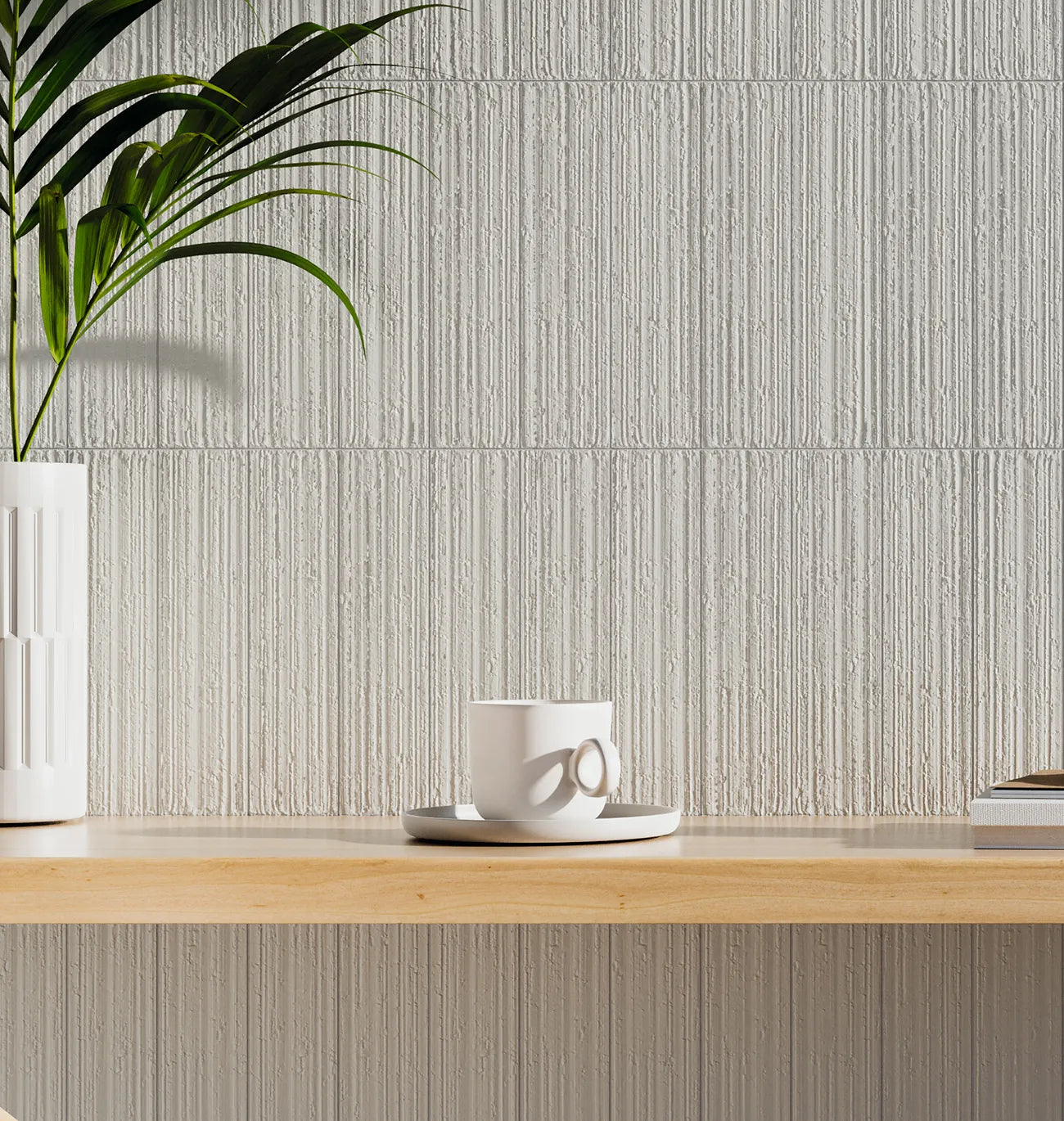
Spanish tile design is often associated with bold pattern, but the influence can be much quieter. A pale limestone-look porcelain, a chalky zellige-effect wall tile or a terracotta-look floor can give a space Mediterranean warmth without a traditional decorative motif. This approach is especially effective in open-plan kitchens, living spaces and commercial interiors where longevity is a priority.
Consider the balance between scale and room size. Large motifs need enough visible floor area to read properly. In a small bathroom, a compact repeat or a plain tile with tonal movement is usually more successful than a large, complex pattern. Conversely, tiny mosaics or busy designs can become visually lost in a broad kitchen-diner unless they are framed as a deliberate feature.
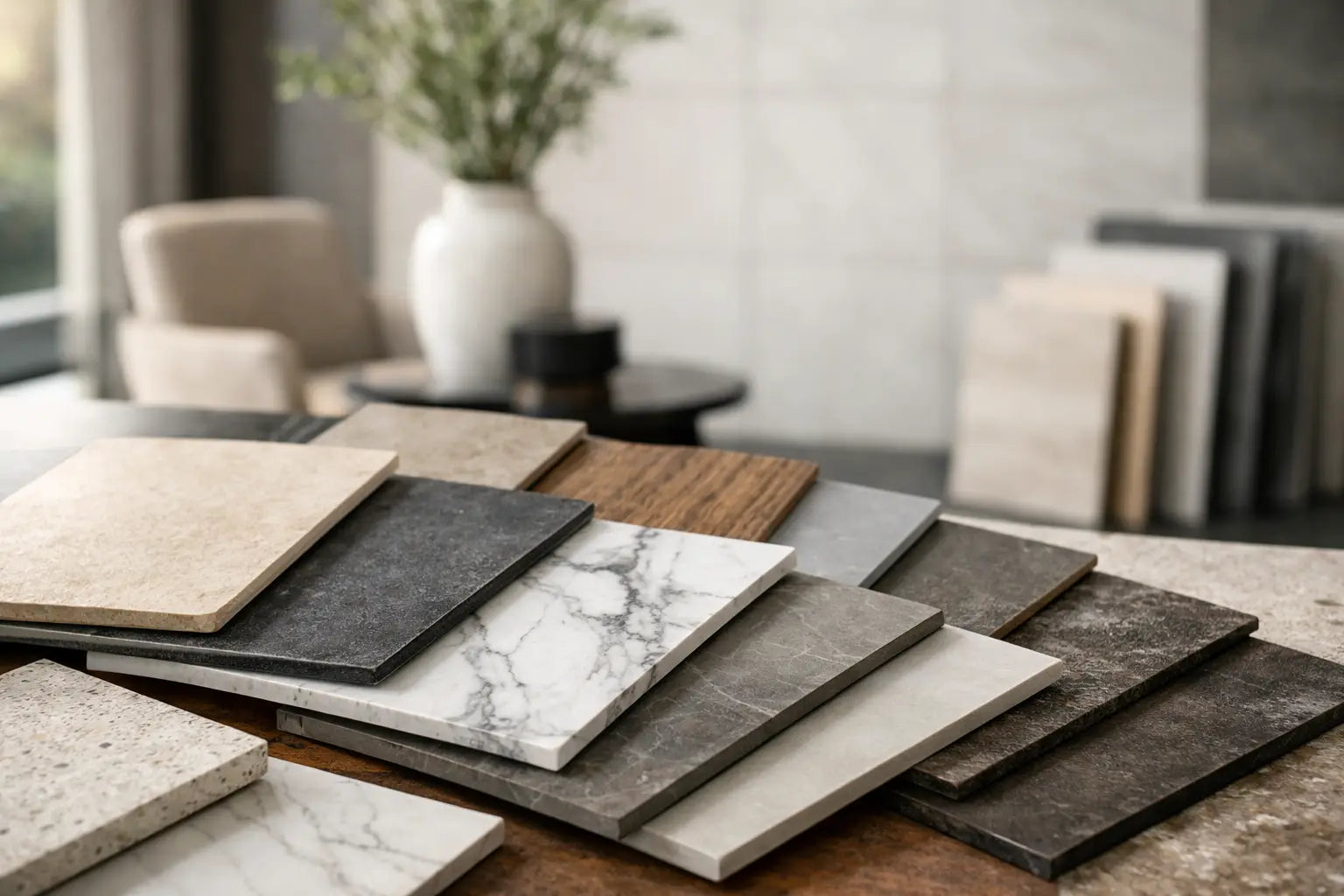
Colour should relate to the fixed elements in the room. Warm terracotta and ochre work naturally with oak, brass and off-white paint. Blue and white combinations suit crisp cabinetry, chrome and marble-effect surfaces. Black, ivory and grey patterns are versatile, though they can appear cooler in north-facing rooms. Samples are invaluable here: view them in the intended room at different times of day, alongside paint, cabinetry and flooring rather than under showroom lighting alone.
Finish, Format and Performance Considerations
A good-looking tile still needs to be right for its application. Wall tiles are not automatically suitable for floors, and decorative encaustic-look tiles vary in their technical suitability. Check the manufacturer's intended use, wear performance and slip resistance before finalising a scheme, particularly for entrances, bathrooms, utility rooms, restaurants and hotel spaces.
Matt porcelain is a dependable choice for most floor projects because it combines durability with a practical surface appearance. Polished porcelain can add sophistication in lower-traffic spaces but may show marks more readily and is not usually the first choice for wet floors. Textured or structured finishes can improve grip, although they may require more considered cleaning where dirt can collect in the surface relief.
Grout is part of the design, not merely a finishing material. A close colour match lets a patterned floor read as one complete surface. A contrasting grout gives individual wall tiles more definition, but it will also make any irregularity in tile size or alignment more noticeable. For pale tiles in kitchens and bathrooms, select a grout colour that is realistic for the level of use rather than automatically choosing bright white.
Planning a Spanish Tile Scheme With Confidence
Ordering the correct quantity avoids the frustration of a near-finished installation waiting on additional material. Measure net coverage carefully, then allow for cuts, layout complexity and a sensible reserve for future repairs. Patterned tiles, diagonal layouts and rooms with numerous returns typically need a higher allowance than straightforward square spaces.
Before placing an order, work through four practical decisions:
- Confirm the tile is rated for the wall or floor application and expected traffic.
- Decide the layout and starting point, especially where a pattern must be centred in a doorway or room.
- Select compatible adhesive, grout, trims, sealers and preparation boards for the substrate.
- Order samples and assess shade, texture and scale in the actual project environment.
Smart Tiles can support this process with design-led European tile choices, samples, coverage guidance and the installation materials needed to complete the specification professionally. Whether the brief calls for a patterned porch floor, a richly glazed kitchen wall or a quieter terracotta-look living space, the most convincing Spanish-inspired schemes pair expressive design with the correct preparation and finishing details.
Choose the tile that suits how the room will actually be used, then allow the pattern, colour or texture enough space to do its job. That is what gives a decorative surface lasting presence rather than a passing trend.