Article: Wood Floor Durability for Modern UK Homes
Wood Floor Durability for Modern UK Homes
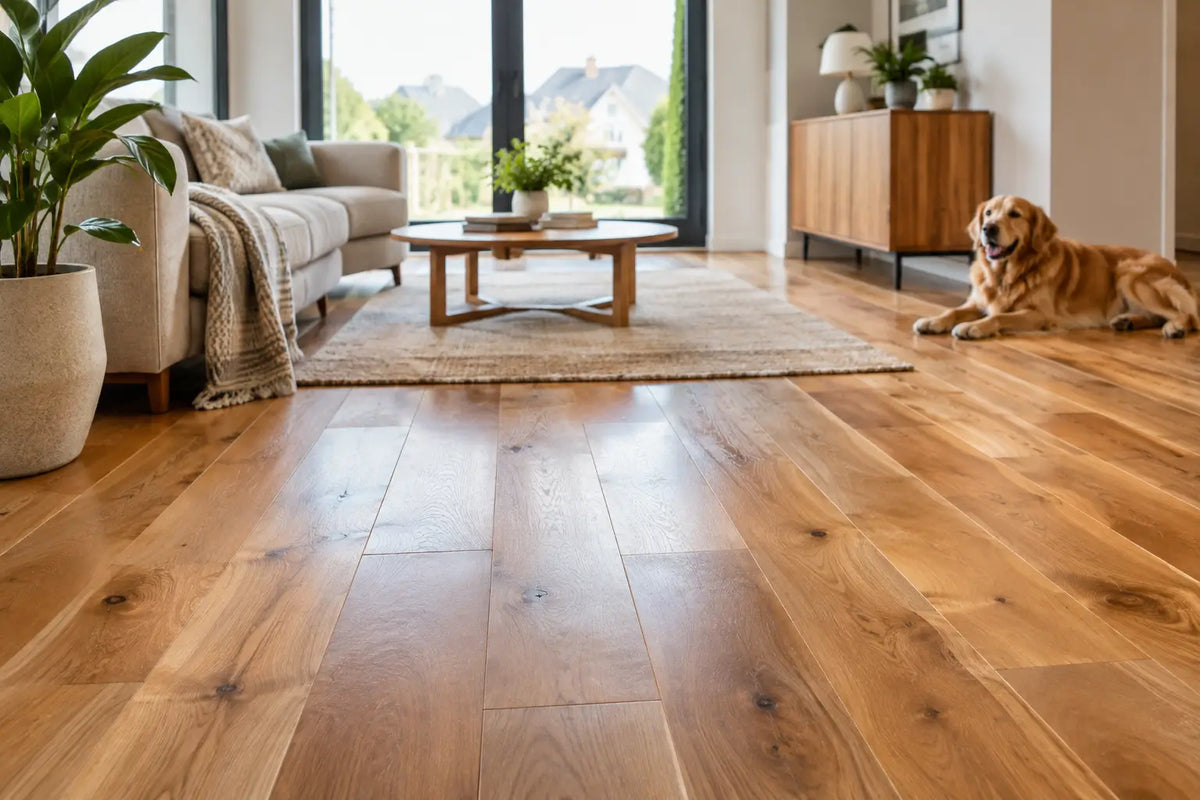
A pale oak floor may suit the mood board perfectly, but its performance will be decided by far more than its colour. Wood floor durability depends on the timber itself, the way the board is constructed, its finish, the room conditions and the quality of the installation. Get those details right and wood flooring can bring lasting warmth, character and practical value to a home or commercial interior.
For homeowners, the aim is usually a floor that still looks considered after muddy shoes, dining chairs, pets and daily use. For designers, contractors and commercial buyers, the question is wider: will the specified product suit the expected traffic, subfloor, heating system and maintenance plan? A durable wood floor is not simply the hardest board available. It is the right floor for its setting.
What wood floor durability really means
Durability is often reduced to scratch resistance, but that only tells part of the story. A good timber floor should resist everyday wear, remain stable as indoor humidity changes and allow for sensible maintenance or future renovation. It should also be installed with the correct preparation, adhesive or underlay so that it performs as intended.
Wood is a natural material. Small dents, grain variation and changes in tone are part of its appeal, particularly in brushed, oiled and character-grade boards. A family hallway finished in natural oak will develop a different surface over time from a formal drawing room. Neither is necessarily a failure. The key is selecting a finish and grade that will make normal signs of use feel appropriate rather than disappointing.
For heavier-use settings such as hotel bedrooms, retail spaces, offices and busy entrance areas, assess durability against the actual traffic pattern. Grit brought in from outside can be more damaging than footfall alone. A well-planned entrance matting zone, regular cleaning and a suitable commercial specification can make a material difference to the floor's service life.
Wood floor durability starts with construction
The first major choice is between solid wood and engineered wood flooring. Both can be long-lasting, but they suit different project conditions.
Solid wood boards are made from one piece of timber. They offer a traditional, substantial feel and, depending on their thickness, can often be sanded and refinished more than once. They are best suited to stable internal environments and are generally not the preferred option over underfloor heating or in areas where moisture levels fluctuate significantly.
Engineered wood flooring has a real timber top layer bonded to a stable core. This construction is designed to reduce natural movement caused by changes in temperature and humidity. It makes engineered boards a practical choice for many contemporary renovations, larger open-plan spaces and projects with compatible underfloor heating. The top layer is still genuine wood, so it delivers the grain, texture and variation buyers expect from a premium timber floor.
When comparing engineered products, ask about the wear layer. This is the thickness of real wood above the core. A thicker wear layer may allow future sanding and refinishing, although the number of times this is possible also depends on the board profile, existing condition and the skill of the flooring professional. It is a useful measure, but it should not be considered in isolation. Core quality, joint precision and the manufacturer's fitting guidance matter just as much.
Board format can also affect performance. Wider planks make a strong visual statement and are popular in design-led interiors, but they need suitable site conditions and correct acclimatisation. Herringbone and chevron patterns require particularly careful subfloor preparation and accurate installation. The more complex the layout, the less room there is for compromise in the groundwork.
Choosing timber for durable wood flooring
Oak remains a leading choice because it offers a reliable balance of hardness, grain interest and timeless design flexibility. It works equally well with calm Scandinavian-inspired schemes, classic country homes and more refined contemporary interiors. European oak also takes stains, oils and brushed textures particularly well, giving buyers a broad choice of finishes without losing the familiar strength of the timber.
Harder species can offer improved resistance to indentation, though hardness is not a guarantee against damage. A dropped cast-iron pan, narrow stiletto heel or dragged chair can mark almost any timber surface. Denser woods may be worth considering where the project calls for a more resistant floor, but their colour, movement characteristics, availability and price should all be reviewed alongside their hardness.
The grade of wood changes the look rather than automatically making the floor weaker. Select-grade boards tend to have a cleaner, more consistent appearance. Character-grade boards feature more knots, mineral streaks and natural variation. In a busy home, a characterful floor can be a very forgiving choice because minor marks sit naturally alongside the existing detail. For a highly uniform finish, occupants may notice new scratches more readily.
The finish determines how a floor wears
A floor finish provides the first line of defence against spills, light abrasion and everyday cleaning. Lacquered wood flooring has a protective coating on the surface and is typically straightforward to maintain. It can be a sensible option for kitchens, family living areas and rental properties where easy-care performance is a priority.
Oiled wood flooring has a more natural, tactile appearance and often accentuates the texture of the grain. Rather than sitting solely on top of the timber, oil penetrates and protects the surface. It does require a more regular care routine, but local marks can often be repaired without refinishing the entire room. For clients who value an authentic, low-sheen finish, that repairability is a compelling advantage.
Brushed and textured boards are another practical option. Their open grain and gently aged surface can disguise minor scuffs better than a very smooth, high-sheen floor. A polished dark floor may look striking in a showroom, but it can reveal dust, pet hair and fine scratches quickly in a sunlit room. Always consider the light levels and daily routine of the finished space, not just a single sample under display lighting.
Installation and room conditions matter as much as the board
Even a premium timber floor can underperform if it is laid on an unsuitable subfloor. Moisture testing, levelling and cleaning the substrate are essential before installation begins. The selected adhesive, underlay, vapour control layer and expansion allowance should match both the flooring product and the site conditions.
Timber expands and contracts naturally. Proper perimeter expansion gaps allow that movement to occur without lifting, gapping or putting pressure on the boards. Skirting boards, beading and trims should be planned to achieve a tidy finish while preserving this necessary allowance.
For underfloor heating, engineered wood is usually the more appropriate choice, subject to the product specification. The heating system must be commissioned correctly, the temperature increased gradually and the surface temperature kept within the flooring manufacturer's stated limit. Sudden heat changes can dry the timber excessively and lead to movement. A stable indoor environment benefits every wood floor, whether or not underfloor heating is present.
Kitchens can work well with wood flooring if spills are wiped promptly and water is not allowed to sit around sinks, dishwashers or external doors. Bathrooms, wet rooms and other persistently damp spaces need more caution. Wood is not generally the first recommendation where standing water and high humidity are regular features. A wood-effect porcelain tile may provide the same visual warmth with greater confidence in these locations.
Protecting a durable wood floor after fitting
A few practical habits have more impact than complicated maintenance products. Use effective entrance mats, fit felt pads to furniture and lift rather than drag heavy items. Vacuum or sweep regularly using a suitable soft attachment, as fine grit acts like sandpaper under shoes and chair legs.
Clean with products formulated for the floor's finish and avoid soaking the surface. Steam cleaners, harsh detergents and excessive water can damage timber or weaken joints over time. Oiled floors should be refreshed according to the care guidance, while lacquered floors benefit from prompt attention to spills and periodic cleaning with the correct product.
In commercial settings, maintenance should form part of the specification from the beginning. This includes entry protection, cleaning equipment, furniture glides and an agreed plan for repair work. A floor that is maintained consistently will hold its appearance far better than one treated only when visible wear has already developed.
Make the specification match the project
Before ordering, assess the room, expected traffic, desired appearance and fitting method together. Samples are particularly valuable for judging colour against existing cabinetry, wall finishes and natural light. They also allow clients to see whether a brushed, matt or oiled texture feels right for the scheme.
Check pack coverage carefully and allow for cuts, pattern layouts and sensible wastage. Ordering all boards at the same time helps maintain consistency across the project, while selecting compatible adhesives, underlays, trims and care products avoids last-minute compromises on site. Smart Tiles can support this process with design-led wood flooring choices and the practical materials required for a complete installation.
The most successful timber floors are specified with realistic expectations: they are designed to be lived on, maintained well and appreciated for the character they gain over time. Choose the construction and finish that suit the room, invest in sound preparation, and the floor will continue to earn its place in the interior for many years.