What Tiles Suit Underfloor Heating at Home?
A tiled floor should feel comfortably warm rather than merely look good. If you are deciding what tiles suit underfloor heating, porcelain is usually the leading choice, with ceramic and many natural stones also performing exceptionally well. The right specification depends on more than the tile material: thickness, finish, room use, subfloor preparation and the heating system all affect the finished result.
For bathrooms, kitchens, entrance halls and open-plan living spaces, tiles offer a durable, design-led surface that works particularly well with both wet and electric underfloor heating. They conduct and retain heat effectively, are easy to maintain and are available in finishes ranging from refined stone effects to large-format concrete looks and decorative patterns.
Why tiles work so well with underfloor heating
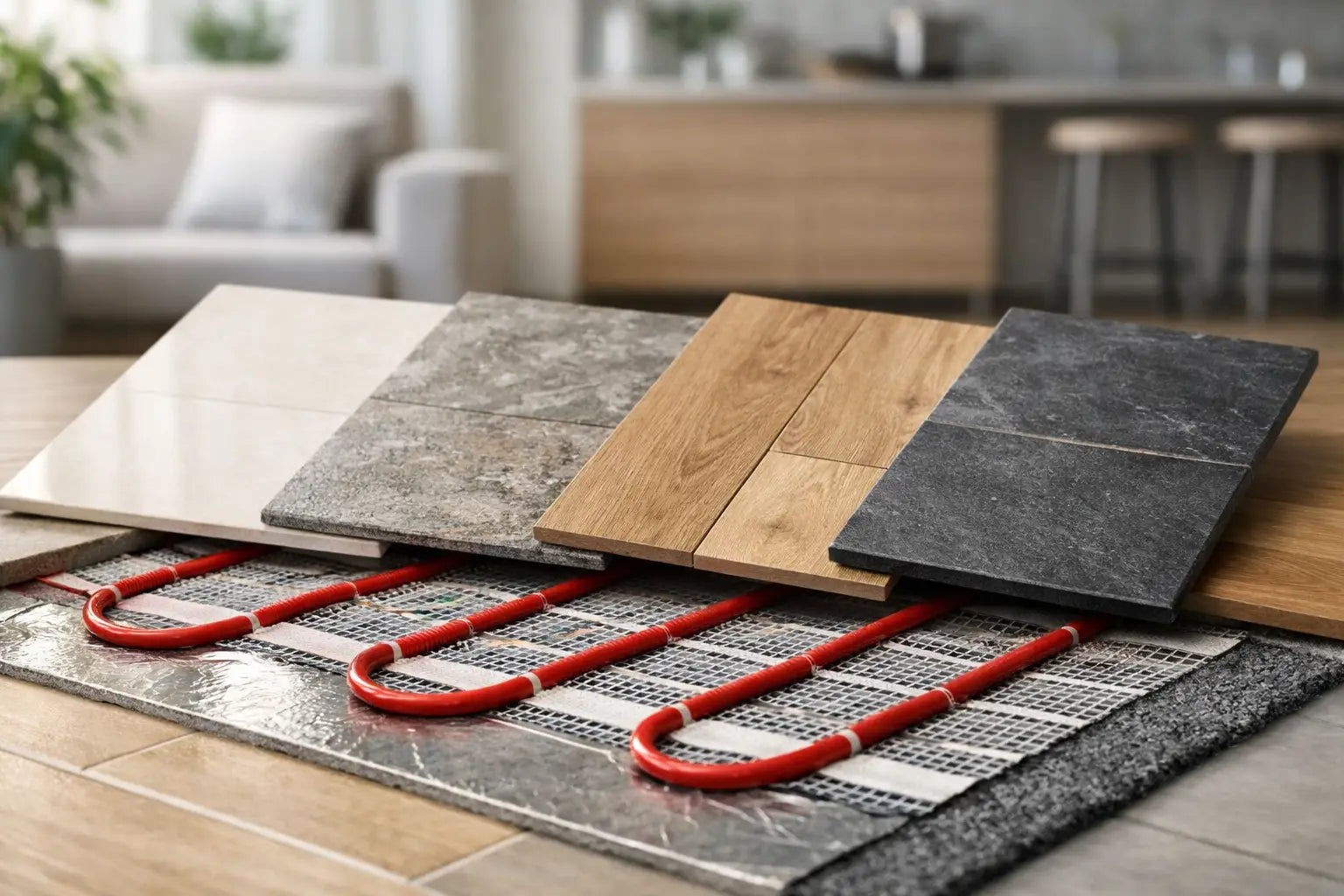
Unlike carpet or thick timber flooring, tiles do not significantly insulate the heat source from the room. Once warmed, a tiled surface transfers heat efficiently and holds it for longer, helping to create an even temperature underfoot. This makes tile an excellent partner for low-temperature water-based systems, where efficiency is especially important.
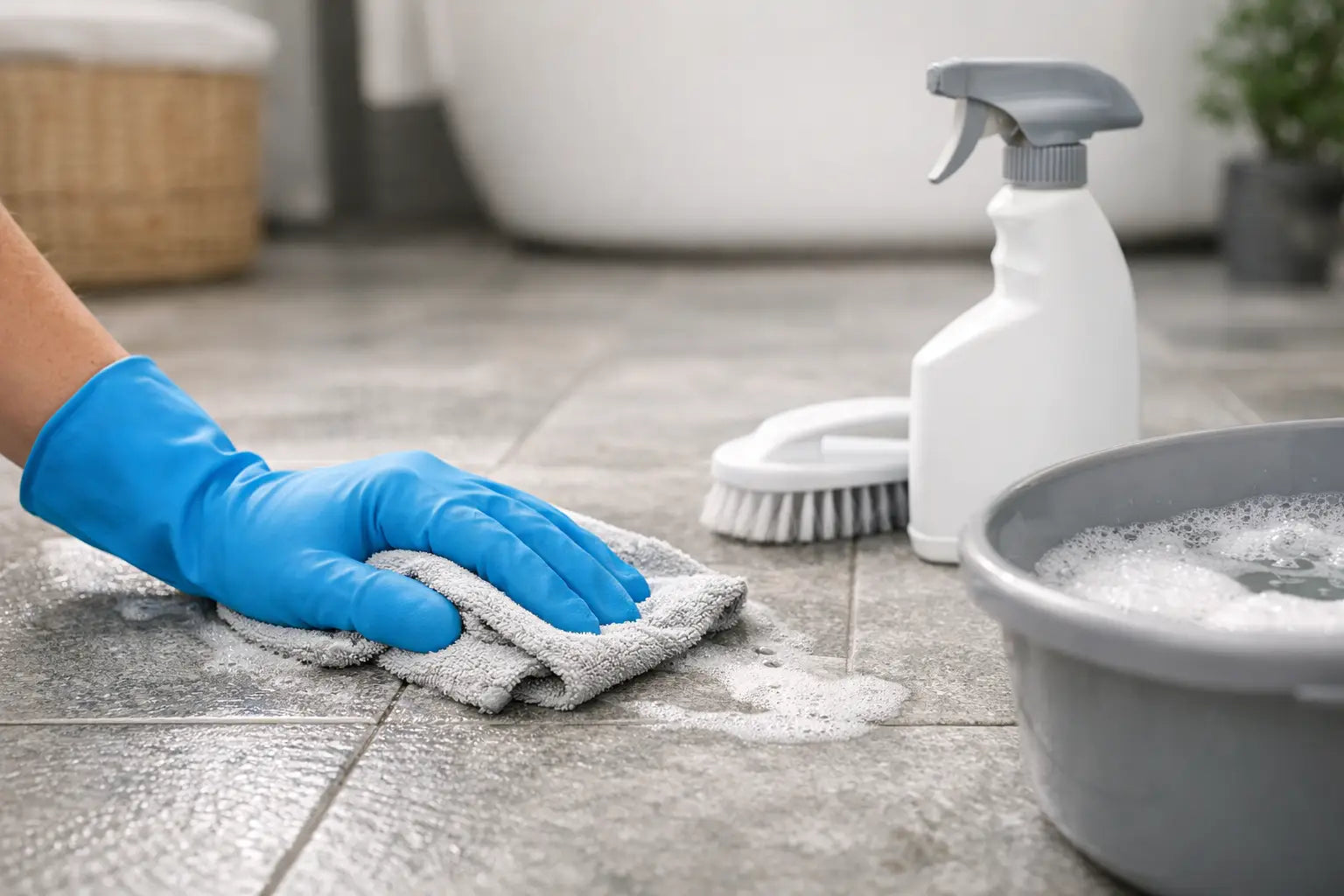
Tiles also cope well with the changing conditions found in kitchens and bathrooms. They are stable, practical around water and suitable for busy areas where dirt, shoes and regular cleaning are part of everyday life. For larger residential or commercial schemes, this combination of thermal performance and long-term durability makes them a dependable specification.
That said, the best tile is not always simply the thinnest or most expensive option. The complete floor build-up matters. A thick tile, adhesive bed, levelling compound and insulation board will respond differently to a slim porcelain tile fitted over a well-prepared screed. Planning the system as a whole gives the best balance of heat-up time, comfort and finish quality.
What tiles suit underfloor heating best?
Porcelain tiles
Porcelain is the most versatile choice for underfloor heating. It is dense, hardwearing and low in water absorption, which makes it suitable for virtually every internal floor area. It is particularly popular in bathrooms, kitchens, utility rooms, hallways and open-plan spaces where a continuous floor finish can make the interior feel more considered.
Modern porcelain ranges offer considerable design freedom. Stone-effect porcelain can create the character of limestone, slate or marble with simpler day-to-day care, while wood-effect porcelain gives the visual warmth of timber with the practical benefits of tile. Concrete-effect and large-format porcelain are well suited to contemporary schemes, especially where a clean, uninterrupted surface is required.
For underfloor heating, most porcelain tiles are a sound choice, including large formats. Larger tiles can mean fewer grout joints and a more expansive look, although they require a flatter substrate and careful handling during installation. A professional installer will select the correct adhesive coverage and movement provision to support the format being used.
Ceramic floor tiles
Ceramic tiles are also well suited to heated floors, particularly in domestic bathrooms and lighter-use spaces. They warm effectively and are available in a wide range of colours, patterns and finishes. Ceramic can be an attractive option where the design calls for a smaller-format tile, a classic encaustic-style pattern or a more decorative look.
The key is to specify tiles that are rated for floor use. Some ceramic collections are designed only for walls and will not have the strength or slip performance needed beneath foot traffic. Always check the product information before finalising the selection, particularly when using a matching wall and floor range.
Natural stone tiles
Natural stone can feel superb over underfloor heating. Materials such as limestone, marble, slate, travertine and granite conduct heat well and bring genuine variation, depth and character to a scheme. No two stone tiles are identical, which is a major part of their appeal in high-end homes, boutique hospitality settings and character properties.
Stone does require more consideration than porcelain. It may need sealing before and after grouting, depending on the material and finish, and its natural porosity can make it less forgiving in areas prone to staining. Certain stones are also more sensitive to moisture or movement in the background, so compatible installation products and an experienced fitting team are essential.
Thickness can vary within natural stone collections, particularly with calibrated or riven finishes. This does not prevent stone from being used with underfloor heating, but it can affect floor levels, adhesive choice and heat response. A honed, calibrated stone is often easier to plan for in a precise contemporary installation.
Terracotta and encaustic-style tiles
Terracotta and cement-based encaustic tiles can be used with underfloor heating, but they need a more deliberate specification. Their warmth and handcrafted appearance suit period renovations and expressive interiors, yet they are generally more porous and can require sealing and ongoing care. Cement-based products may also have specific requirements around curing, adhesive selection and protection during installation.
If you want the visual appeal of these materials with a more straightforward maintenance routine, patterned or terracotta-effect porcelain is worth considering. It can provide the desired character while offering consistent sizing, lower water absorption and easier cleaning.
Choose the finish for the room, not just the heating
Underfloor heating makes tiles more comfortable, but it does not alter their slip resistance. In a shower room, family bathroom, entrance hall or commercial setting, the surface finish should be selected with wet conditions and expected footfall in mind. A matt or structured tile can offer more grip than a polished finish, although textured surfaces may need slightly more attention when cleaning.
Polished porcelain and polished natural stone can look striking in low-traffic cloakrooms or formal living spaces, but they can become slippery when wet. In contrast, a matt stone-effect porcelain often gives a practical balance of grip, easy maintenance and premium appearance for kitchens and bathrooms.
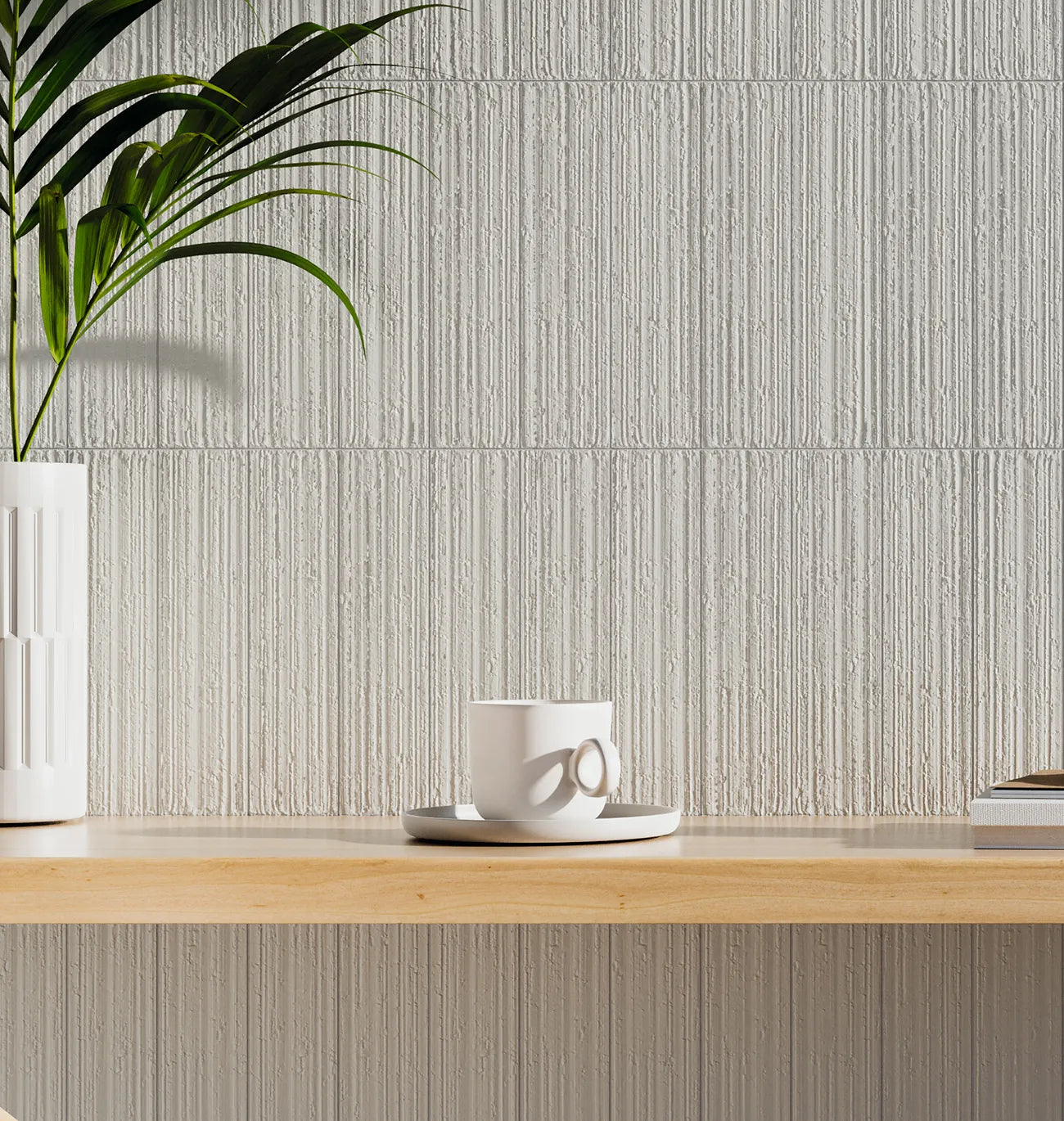
Tile size also changes the finished feel. Large-format tiles create a calm, minimal surface with fewer grout lines. Smaller tiles, mosaics and decorative formats introduce more visual detail and can provide additional grout joints, which may be useful in wet-room areas. There is no universal best size - the proportions of the room, drain positions and intended finish should guide the decision.
Installation details that protect the finished floor
The tile choice is only one part of an underfloor heating installation. A reliable system needs a sound, level substrate and products designed to accommodate the slight expansion and contraction created as the floor warms and cools.
Use a flexible tile adhesive and grout suitable for underfloor heating, following the product manufacturer's guidance for the tile type and background. Where required, an uncoupling or crack-isolation layer can help manage movement from the substrate, particularly over timber floors, new screeds or backgrounds with a higher risk of minor cracking. Perimeter movement joints and correctly positioned expansion joints should never be treated as optional details on larger areas.
Electric heating mats or cables must be fully embedded as specified, with no voids that could compromise heat transfer or create pressure points. Water-based systems should be pressure tested before tiling, and the screed must be allowed to cure fully before the heating is commissioned. Turning the system on too early is one of the most avoidable causes of movement-related problems.
After installation, the heating should be brought up gradually rather than switched immediately to its highest setting. This allows the tile, adhesive, grout and subfloor to acclimatise in a controlled way. Your installer and heating-system supplier can confirm the appropriate commissioning schedule and maximum operating temperature for the system.
Plan the floor build-up before ordering
Floor height is often overlooked until a project is already underway. In renovations, the combined depth of insulation, heating system, screed or levelling compound, adhesive and tile can affect doors, skirtings, kitchen plinths, thresholds and connections to adjoining rooms. Establishing these levels early helps prevent rushed compromises later.
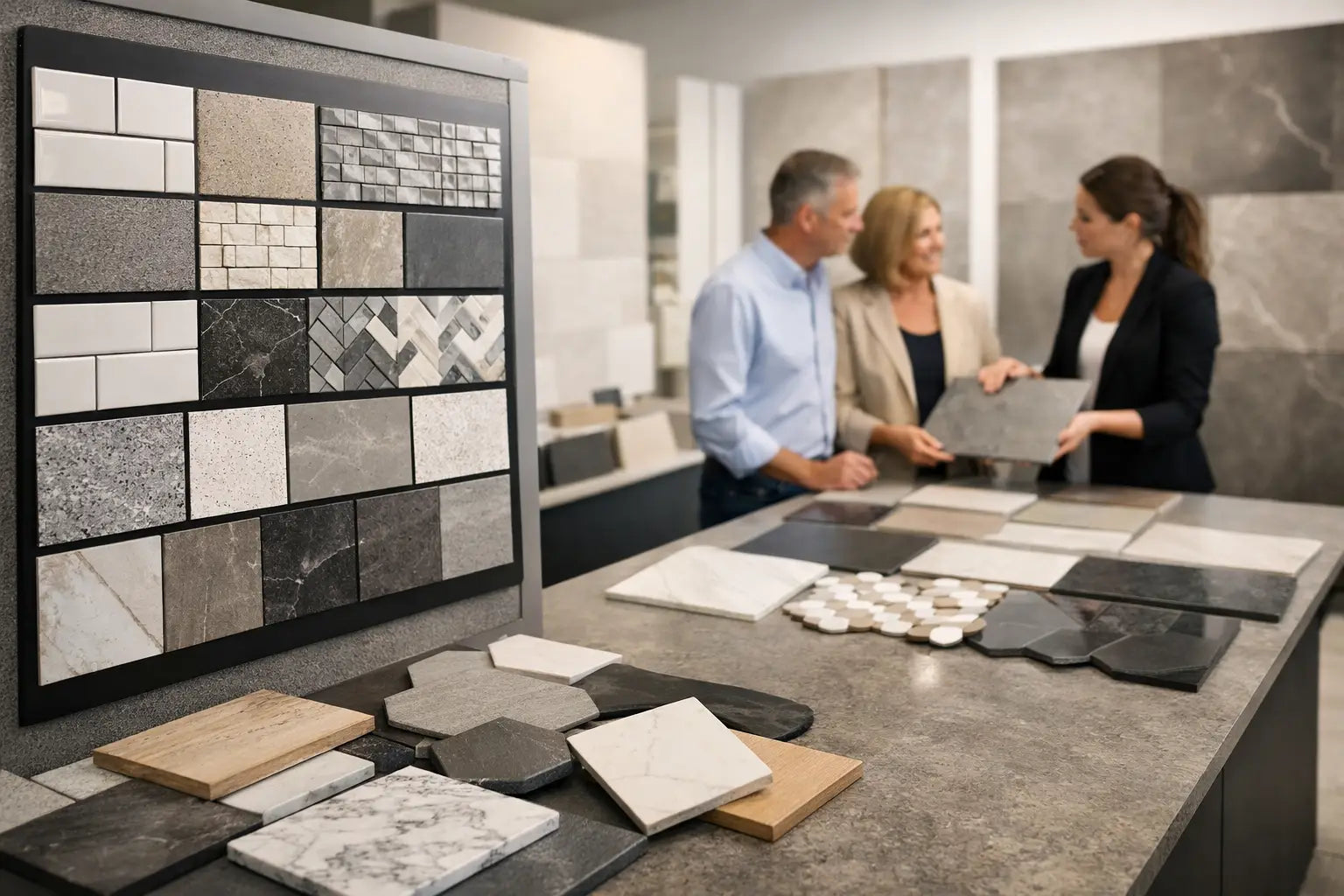
It is equally useful to order samples and view them in the intended room. Natural light, artificial lighting and surrounding joinery can change how a colour or surface reads. A pale limestone-effect porcelain may feel soft and warm in one kitchen, while a cooler grey concrete effect may better suit another. For projects using natural stone or strongly varied porcelain, reviewing several pieces gives a more realistic impression of the finished floor.
For confidence at specification stage, choose a floor tile that suits the room first, then build the heating and installation system around it. Smart Tiles can help bring together the tile, adhesive, grout, trims and preparation materials so the finished surface is designed to perform as well as it looks.