Porcelain wall and floor tiles for bathroom
A bathroom gets tested harder than almost any other room. Daily moisture, changing temperatures, cleaning products and constant foot traffic all put pressure on the surfaces you choose. That is why porcelain wall and floor tiles for bathroom projects remain one of the most reliable options for homeowners, installers and commercial buyers who want a finish that looks sharp and performs properly over time.
Porcelain is often chosen because it does not force a compromise between appearance and practicality. It can deliver a clean, contemporary look, a stone-effect finish, a concrete aesthetic or a warmer timber-style design, while still offering the durability needed for busy bathrooms. For domestic renovations and larger specification projects alike, that combination matters.
Why porcelain wall and floor tiles for bathroom spaces are a strong choice
Porcelain is a dense, hard-wearing material fired at high temperatures, which gives it low porosity and excellent strength. In a bathroom setting, that means better resistance to water absorption than many alternative surface materials. It also means the tiles are less likely to stain, mark or wear prematurely when correctly installed and maintained.
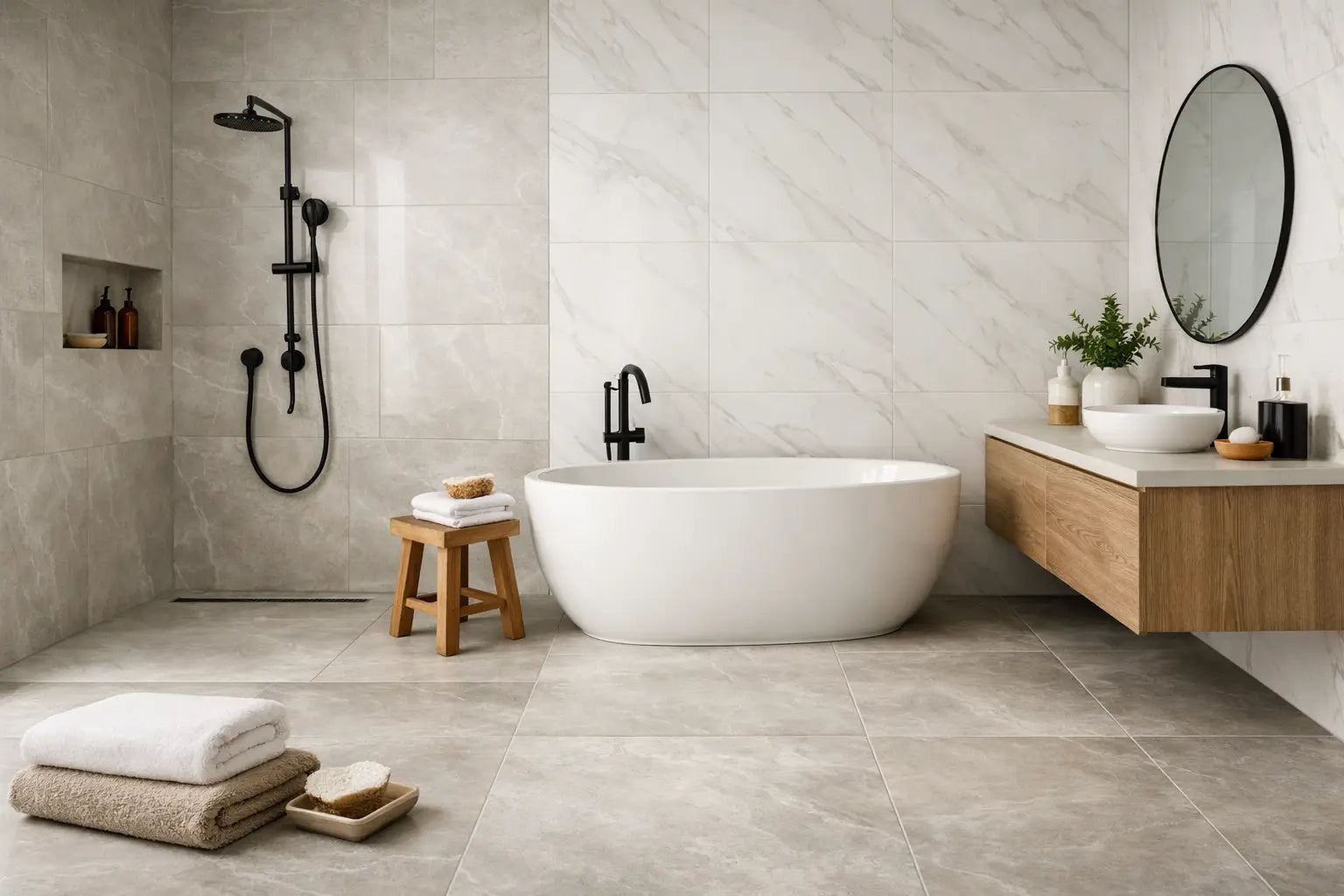
For walls, porcelain gives a crisp, durable finish that is easy to keep clean and well suited to shower enclosures, splash zones and full-height feature walls. For floors, it offers the strength needed to cope with daily use, whether you are fitting out a small en suite, a family bathroom or a commercial washroom.
There is also a clear specification advantage in using one material family across both surfaces. Coordinating wall and floor finishes becomes simpler, installation planning is more straightforward and the finished room tends to feel more cohesive. That can be especially useful where clients want a calm, consistent scheme rather than a mix of unrelated materials.
Choosing the right finish for walls and floors
Not every porcelain tile is suitable for every bathroom application, even if the design looks right. The finish you choose has a direct effect on appearance, maintenance and underfoot safety.
Matt porcelain is often the safest all-round option for bathroom floors. It gives a more grounded, contemporary look and generally offers better slip resistance than highly polished surfaces. It is also practical in day-to-day use, as it tends to show fewer smudges, water marks and soap residue.
Polished porcelain can work very well on bathroom walls, where it reflects light and helps make smaller rooms feel brighter and more open. On floors, however, it needs more careful consideration. In some bathrooms it may be suitable, particularly where the floor is less exposed to standing water, but in wet zones a more slip-conscious finish is usually the better call.
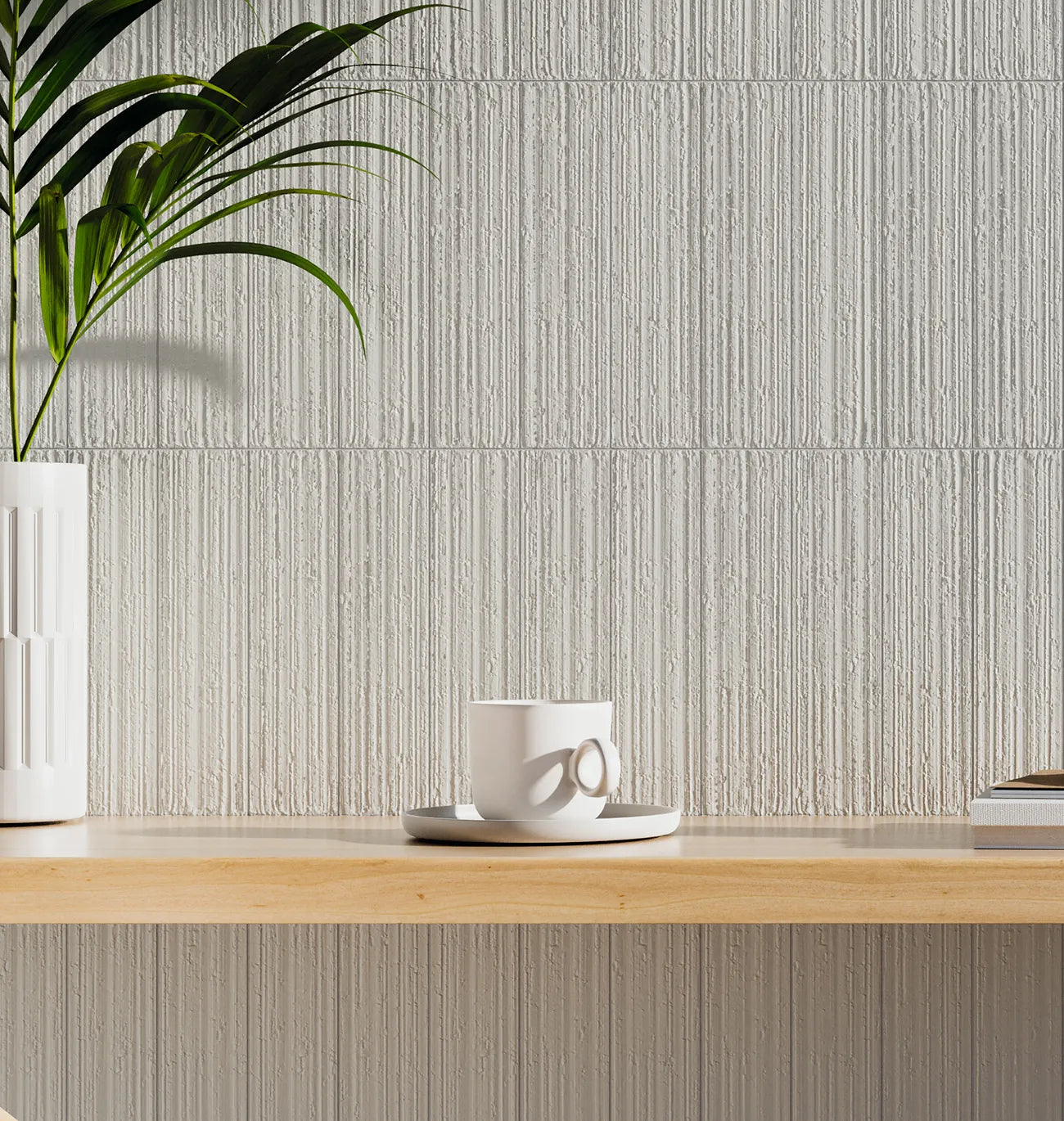
Structured or textured porcelain can be a good solution where extra grip is needed, such as in walk-in showers or commercial changing areas. The trade-off is that more heavily textured tiles may require a little more effort to clean. That does not make them a poor choice, but it does mean the end user should understand the maintenance implications before specifying them.
Size, layout and visual effect
Tile size changes how a bathroom feels. Large format porcelain tiles can make a room look more expansive because there are fewer grout lines interrupting the surface. They are particularly effective in modern bathrooms where a cleaner, less busy finish is preferred.
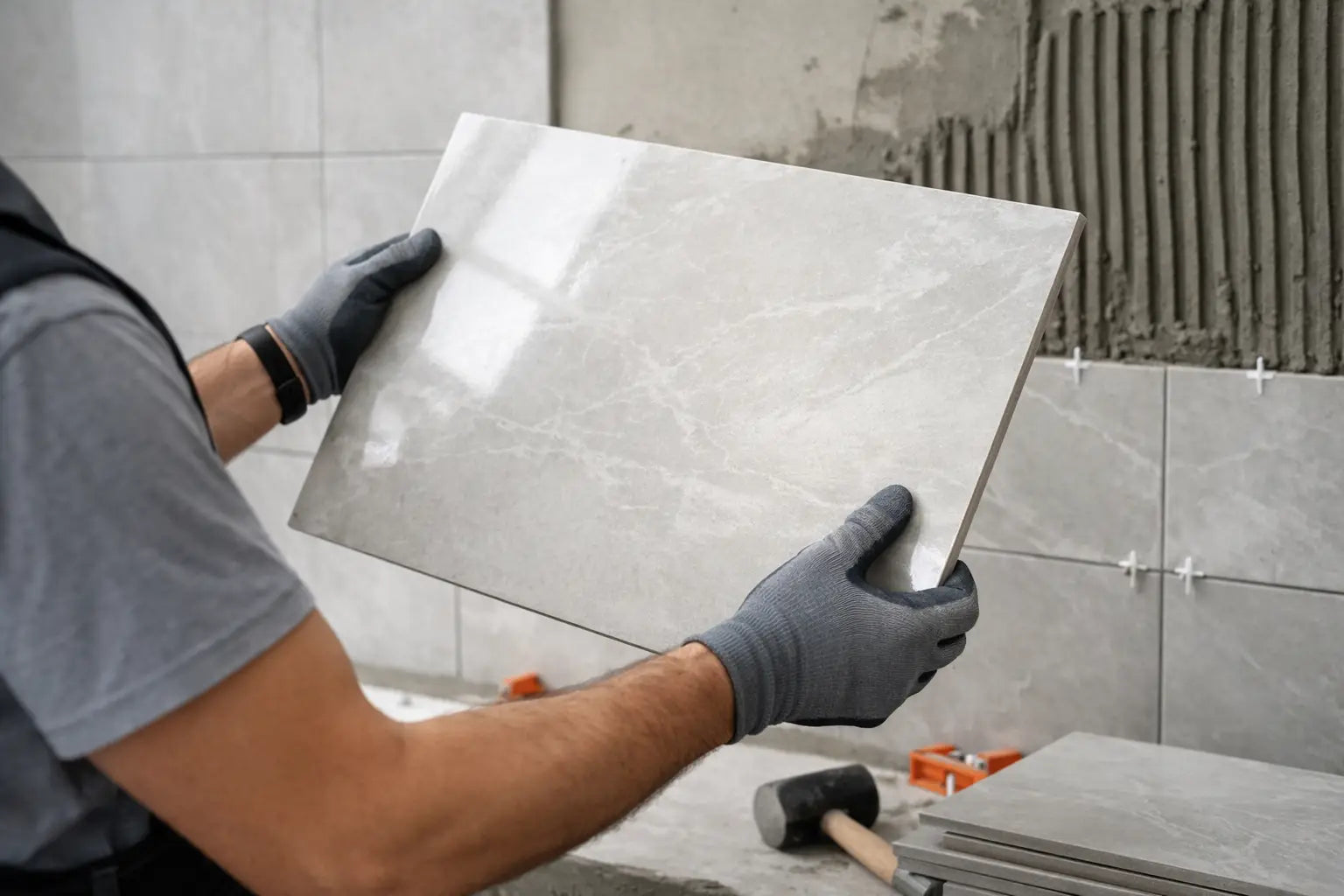
That said, large format tiles are not always the easiest option in smaller or awkwardly shaped rooms. More cutting may be needed around boxing-in, sanitaryware and corners, and subfloor preparation becomes even more important. If the background is not suitably flat, lippage can become an issue.
Smaller formats still have a place, especially in traditional schemes or where more detailed layouts are required. They can also be practical for shower floors, where falls need to be formed more easily. The best choice depends on the room proportions, tile design and installation conditions rather than trends alone.
Rectified porcelain tiles are worth considering if a tighter, more refined joint is wanted. Their precisely finished edges support a neater look, though this depends on proper installation and substrate preparation. A narrow grout joint only works well when the setting out and background are right.
Design options have moved well beyond plain white
One reason porcelain continues to dominate bathroom specifications is the sheer range of finishes now available. It is no longer limited to simple neutral squares, although those still have their place.
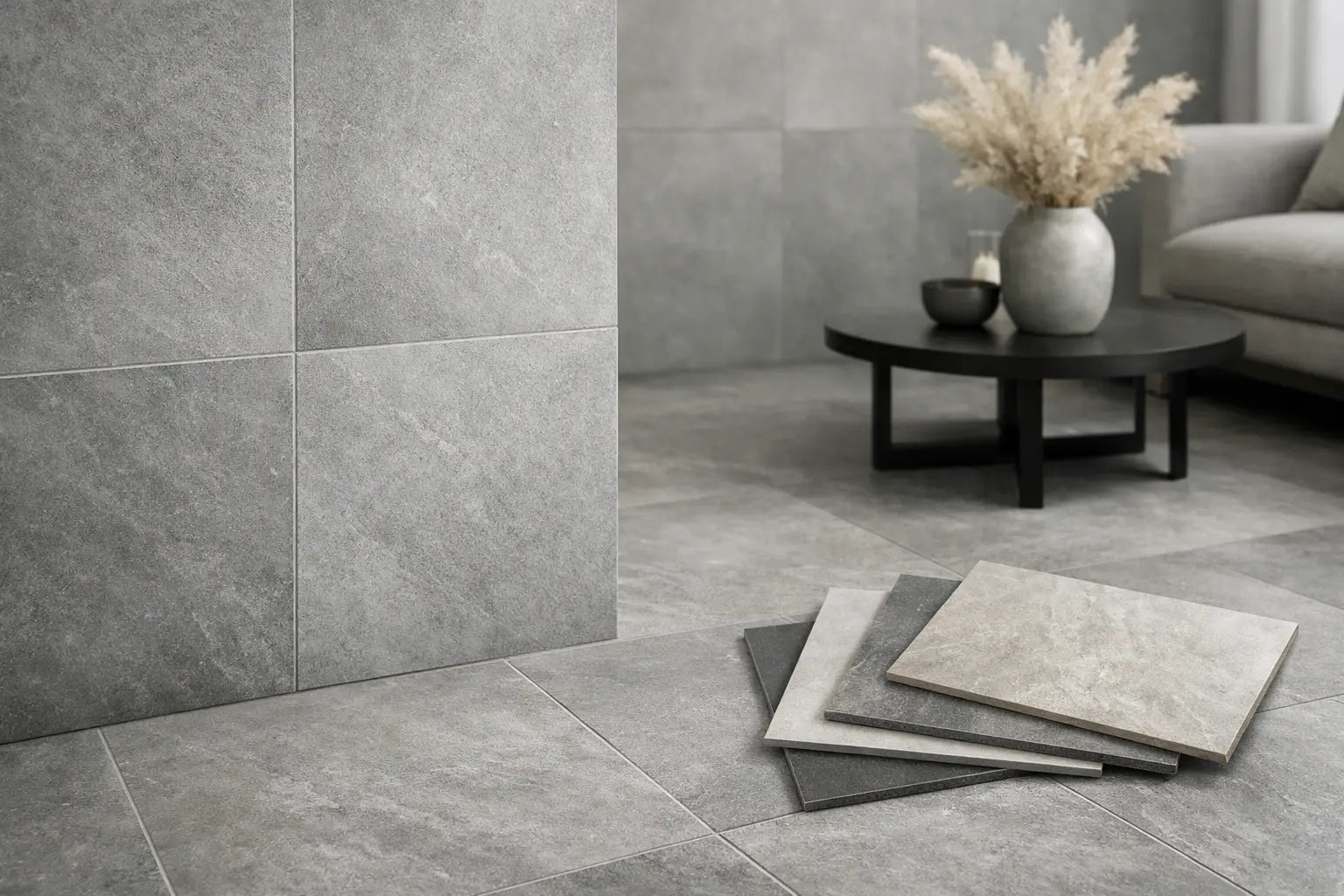
Stone-effect porcelain remains a strong choice for bathrooms because it gives the visual appeal of natural materials without the same level of sealing and ongoing care. Marble-effect porcelain is popular where clients want a more luxurious look, especially on walls or across full shower areas. Concrete-effect options suit minimalist and industrial interiors, while terrazzo-style designs can introduce pattern without overwhelming the room.
Wood-effect porcelain is another practical option, particularly for those who want the appearance of timber in a bathroom where real wood may not be ideal. It softens the space visually while retaining the moisture resistance and ease of maintenance associated with porcelain.
For many projects, the best result comes from balancing statement surfaces with quieter supporting tiles. A bold decorative wall can work well if the floor finish is more restrained. Equally, a feature floor can carry the scheme while the walls stay simple. Bathrooms are often compact rooms, so material balance matters.
Practical points that affect performance
The look of the tile is only part of the decision. Bathroom performance depends just as much on choosing the correct product specification and installation materials.
Slip resistance should always be reviewed for floor tiles, particularly in family bathrooms, wet rooms and commercial settings. There is no single universal answer because usage differs from project to project. A guest en suite has different demands from a hotel bathroom or a heavily used household shower room.
Tile thickness can also be relevant. Standard interior porcelain tiles are suitable for most bathroom walls and floors, but project requirements may vary depending on format, substrate and application. Heavier large format wall tiles may need closer attention to adhesive choice and background suitability.
Waterproofing is another key factor. Tiles and grout are not a substitute for proper tanking in wet areas. In showers and high-exposure zones, an appropriate waterproofing system under the tiles helps protect the substrate and reduce the risk of failure later on. This is one of the most common areas where cutting corners early creates avoidable problems later.
Adhesive and grout selection matter as well. Bathrooms are not the place to use whatever is cheapest or most convenient. The right fixing products depend on tile type, tile size, substrate, moisture exposure and whether underfloor heating is present. Matching trims, movement considerations and suitable preparation boards all contribute to a more reliable finish.
Porcelain wall and floor tiles for bathroom renovation planning
A good bathroom tile choice should work on paper and on site. Before ordering, it is worth checking tile sizes against the room dimensions, the position of wastes and sanitaryware, and the likely setting out. A tile that looks ideal in isolation may create awkward cuts or unnecessary waste in the actual space.
Samples are useful because screen images only tell part of the story. Surface texture, tonal variation and the way a tile reacts to natural and artificial light all affect the final result. For trade buyers and specifiers, this step can also help avoid approval issues later in the programme.
Quantity planning is just as important. Accurate coverage calculation with sensible wastage allowance helps keep the job moving and reduces the risk of mismatched repeat orders. That matters on all projects, but especially on larger bathrooms or multi-room developments where continuity of batch and finish can affect the final appearance.
For anyone sourcing materials through a specialist supplier such as Smart Tiles, there is also value in treating the bathroom as a complete package rather than a tile-only purchase. Coordinating trims, adhesives, grout, levelling products and boards at the same time can simplify procurement and reduce delays once fitting begins.
When porcelain may not be the only answer
Porcelain is a leading option for bathroom walls and floors, but good specification still means recognising where alternatives might suit particular priorities. Ceramic wall tiles, for example, can be a cost-effective solution for walls where the extra density of porcelain is not essential. They are often lighter and easier to cut, which can help on some installations.
Natural stone may appeal where a genuinely unique surface is the priority, though it usually comes with more maintenance and sealing requirements. In other words, porcelain is often the most balanced choice, but not automatically the only one.
The strongest bathroom schemes usually come from clear priorities. If low maintenance, consistent quality, design flexibility and dependable performance sit at the top of the list, porcelain is very hard to beat.
A bathroom should not just look right on the day it is finished. It should still feel solid, practical and easy to live with months and years later. Choose porcelain with the right finish, the right specification and the right installation products, and the result is far more likely to justify the investment.