Article: Order Flooring Samples Online With Confidence
Order Flooring Samples Online With Confidence
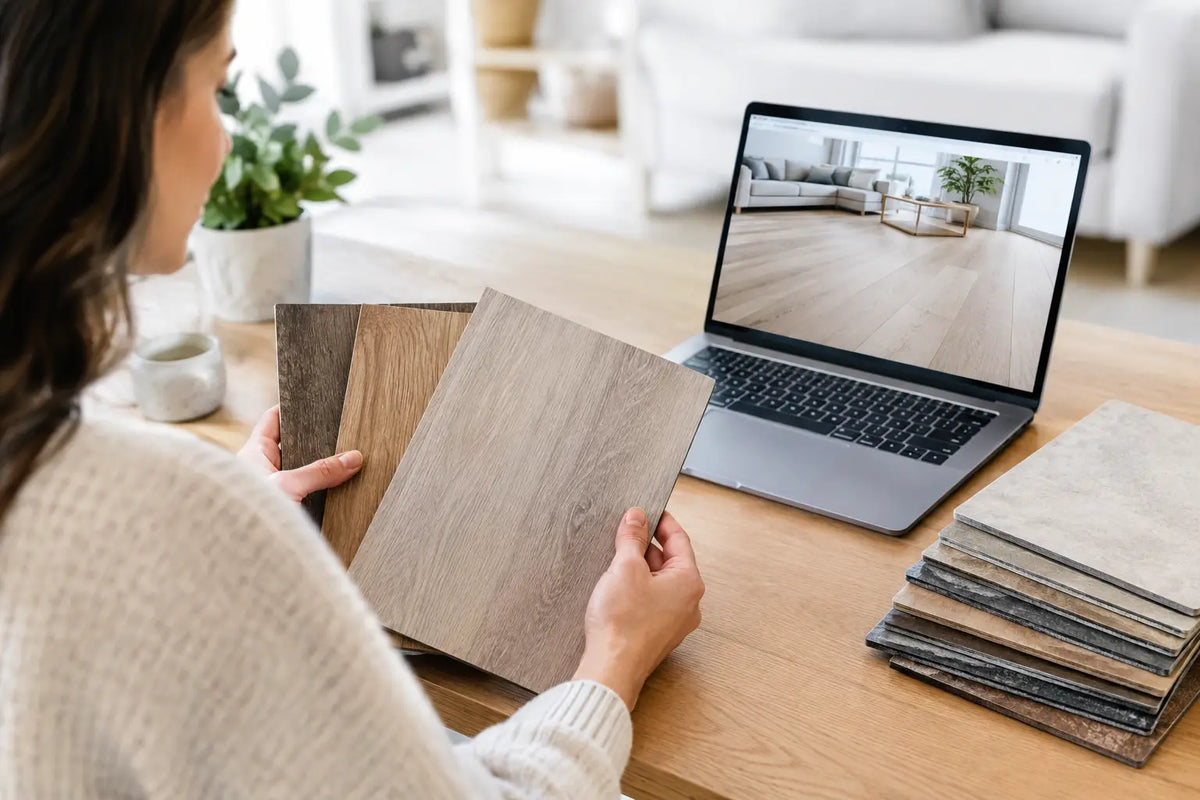
A pale oak floor can look calm and refined in a product image, then appear noticeably warmer, darker or more textured once it is placed beside your existing cabinetry and natural light. That is why it pays to order flooring samples online before committing to a full room, hallway or commercial specification. A sample turns a broad visual choice into a practical decision about colour, finish, scale and performance.
For homeowners, this is the point where a renovation begins to feel real. For designers, contractors and commercial buyers, it is also an essential control step that helps avoid costly changes once materials, labour and programme dates are in place. The right sample process gives you confidence in the surface itself, but also in how it will work with the wider project.
Why flooring samples matter before you place an order
Online browsing is useful for narrowing down styles, from natural timber tones and contemporary wide boards to more characterful finishes. However, screens cannot reliably show the details that matter most under real conditions. Display settings affect colour, while photography can flatten grain, reduce texture and make a matt surface look different from the way it performs in a room.
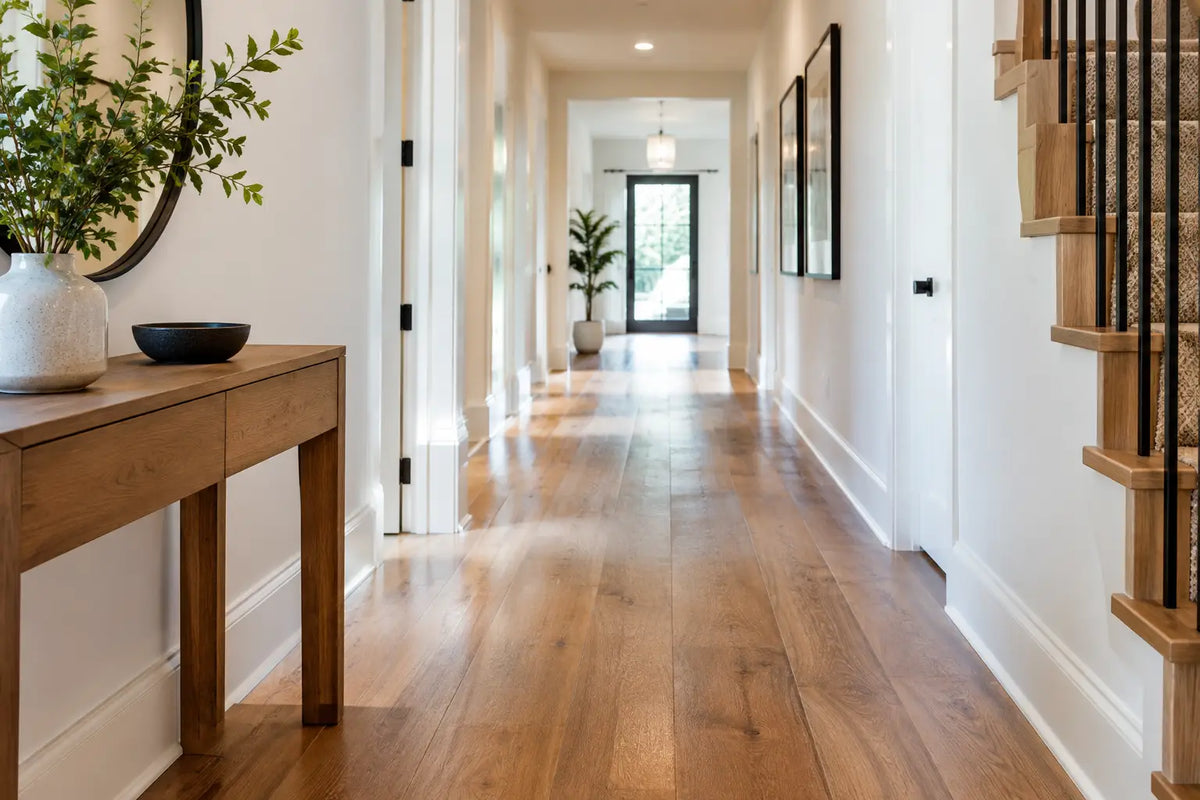
A physical flooring sample lets you assess the shade against wall colours, painted joinery, tiles and soft furnishings. Place it in the intended space during the morning, afternoon and evening. North-facing rooms often make cool greys and pale woods appear more subdued, while strong south-facing light can bring warmth out of oak, walnut and honey-toned finishes.
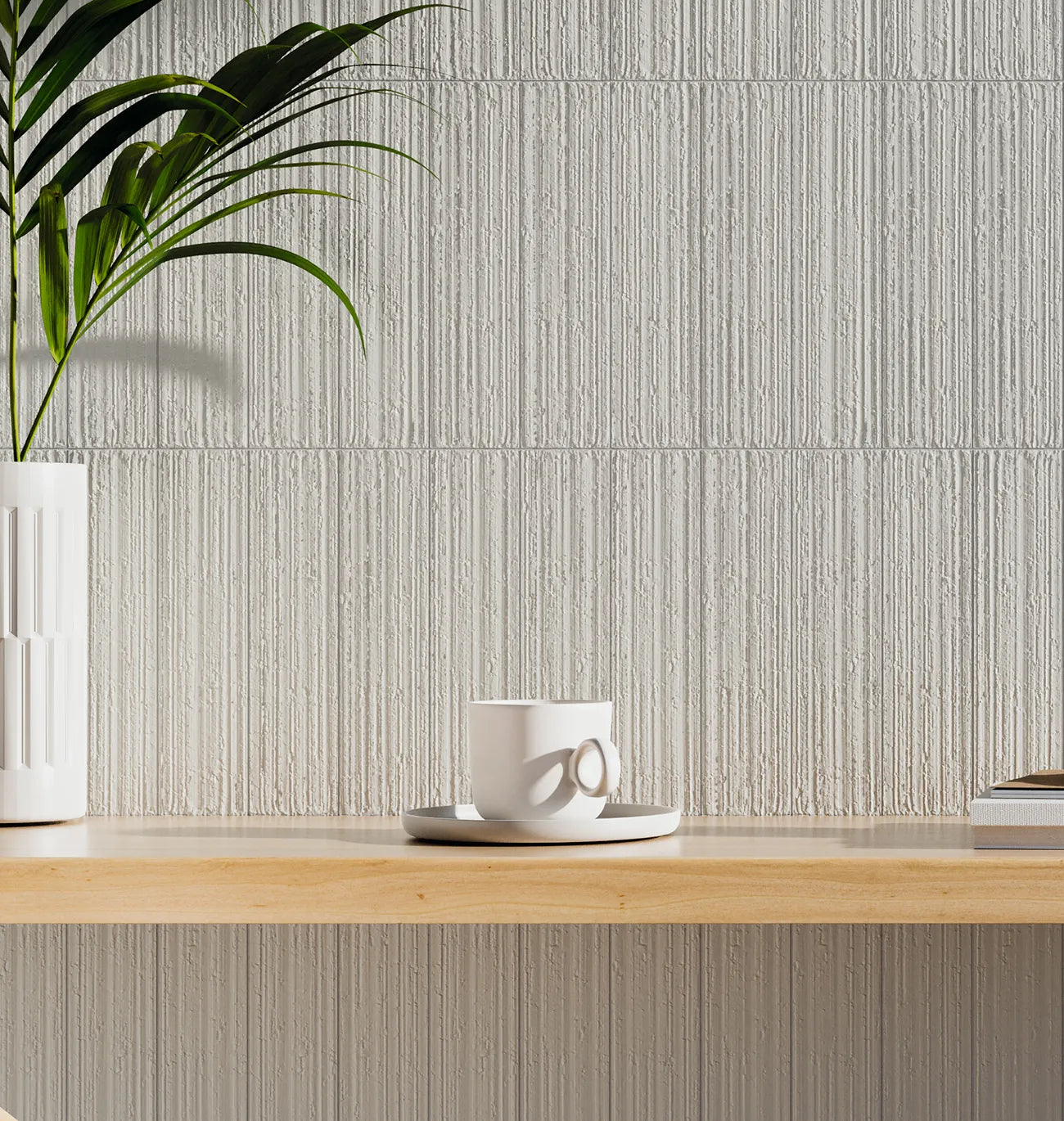
Texture is equally important. A brushed, hand-scraped or deeply grained board can bring character to a period property or an entrance hall, yet it may not suit every interior scheme. A smoother, more uniform finish may be the better choice for a clean-lined kitchen, flat or hospitality project where consistency is central to the design.
Samples also make it easier to judge sheen. Matt and ultra-matt finishes tend to feel contemporary and can disguise minor marks more successfully, while a more lustrous finish may enhance depth and richness. Neither is automatically better. The practical choice depends on the level of footfall, cleaning routine, daylight and the look you want to achieve.
How to order flooring samples online efficiently
Start with the room rather than the product. Consider how the space is used, how much natural light it receives and which existing finishes must remain. In a family kitchen-diner, durability and a finish that works with cabinetry may lead the decision. In a principal bedroom, tone, warmth and visual calm may take priority. For a rental, retail or hotel setting, maintenance, replacement planning and programme certainty should sit alongside appearance.
Once you have a clear brief, select a focused group of samples rather than ordering every option that catches your eye. Three to six choices usually provide enough comparison without making the final selection harder. Include one dependable option that closely matches your original idea, one lighter or darker alternative, and one finish with a different amount of texture or character.
When you order flooring samples online, read the product information as carefully as the imagery. Check the construction, board dimensions, thickness, finish and suitability for the intended setting. If you are considering engineered wood, establish whether it is appropriate for underfloor heating and confirm the installation method. Floating, glued-down and secret-nailed systems each have different preparation and performance requirements.
For larger projects, samples should be part of a wider specification check. Confirm availability, lead times and batch consistency before final approval, especially if the programme requires phased delivery or a significant quantity of matching boards. A sample is an indication of colour, grade and finish, not a guarantee that every board will be identical. Natural timber variation is part of the appeal, but it should be understood from the outset.
Check the sample in the right conditions
Do not assess a sample on a worktop and make an immediate decision. Take it into the room, lay it flat on the floor and view it beside the features it will live with. Compare it to skirting boards, doors, kitchen units and adjacent wall tiles. If the flooring will run between rooms, test the sample in each space rather than relying on the light in just one area.
Turn the sample in different directions too. Board direction changes the way grain catches the light and can affect the sense of width and length in a room. In a narrow hallway, a long board laid along the length often supports a more spacious appearance. In open-plan areas, the direction should also work with sightlines and adjoining floor finishes.
If possible, place two samples next to each other. This gives a better indication of natural variation, especially with wood products where shade and grain differ from board to board. For a more representative view, ask whether a larger sample or additional pieces are available when the project demands a close colour match.
Make the design decision alongside the technical one
A beautiful floor needs a sound substrate and a suitable installation system. Before making your final choice, consider the condition of the subfloor, moisture levels, floor height and any underfloor heating. These factors may influence whether a particular engineered wood product is suitable and whether you need levelling compounds, moisture barriers, acoustic underlay or adhesive.
This is particularly relevant when matching flooring to an existing threshold, staircase or tiled area. A few millimetres can affect doors, transitions and finished floor levels. The sample helps you visualise the surface, but the product specification helps ensure the floor can be installed professionally.
It is also worth considering maintenance before committing. Lighter wood tones can make a room feel open, though dirt and scuffing may show differently depending on the finish. Darker shades add drama and depth, but can reveal dust in bright rooms. Textured finishes may be forgiving in busy households, whereas a very smooth surface can suit a more formal setting. Ask yourself how the floor needs to look not just when it is newly laid, but after everyday living, pets, guests and regular cleaning.
Avoid common sample-selection mistakes
The most common mistake is choosing solely from an online image. The second is comparing a sample against only one element, such as a kitchen door, while overlooking paint, daylight and neighbouring finishes. Flooring covers a large visual area, so a subtle undertone that feels harmless in a small sample can become much more pronounced across an entire room.
Another issue is treating a sample as a complete representation of a natural product. With wood flooring, variation in knots, grain movement and shade contributes to authenticity. If a very uniform appearance is required, select a grade and finish that support that brief, then discuss the expected variation before ordering in volume.
Finally, do not leave samples until the last stage of the programme. Decisions about flooring can affect subfloor preparation, adhesive selection, trim details and delivery planning. Early sampling protects the project schedule and gives you more time to refine the design if the first choices are not quite right.
From sample approval to a complete flooring order
Once you have chosen the preferred finish, measure the space carefully and allow for sensible wastage. The allowance depends on the room shape, board format, laying pattern and number of cuts required. Straightforward rectangular rooms generally need less than spaces with bays, alcoves, islands, stairs or numerous doorways. Commercial layouts may also require contingency for future repairs and maintenance stock.
At this point, bring the full system together: flooring, underlay or adhesive, moisture protection where required, trims, thresholds and suitable cleaning products. Ordering the right installation materials alongside the floor reduces delays and helps ensure the finished result reflects the quality of the chosen surface. Smart Tiles can support this process with design-led flooring choices and the practical products needed to complete the specification.
A sample is a small part of the project, but it gives you the chance to make a measured choice before the floor becomes the foundation of the room. Give it a few days in the intended space, view it in changing light and let the practical requirements have as much influence as the first impression.