Are Wood Floors Waterproof? The Practical Answer
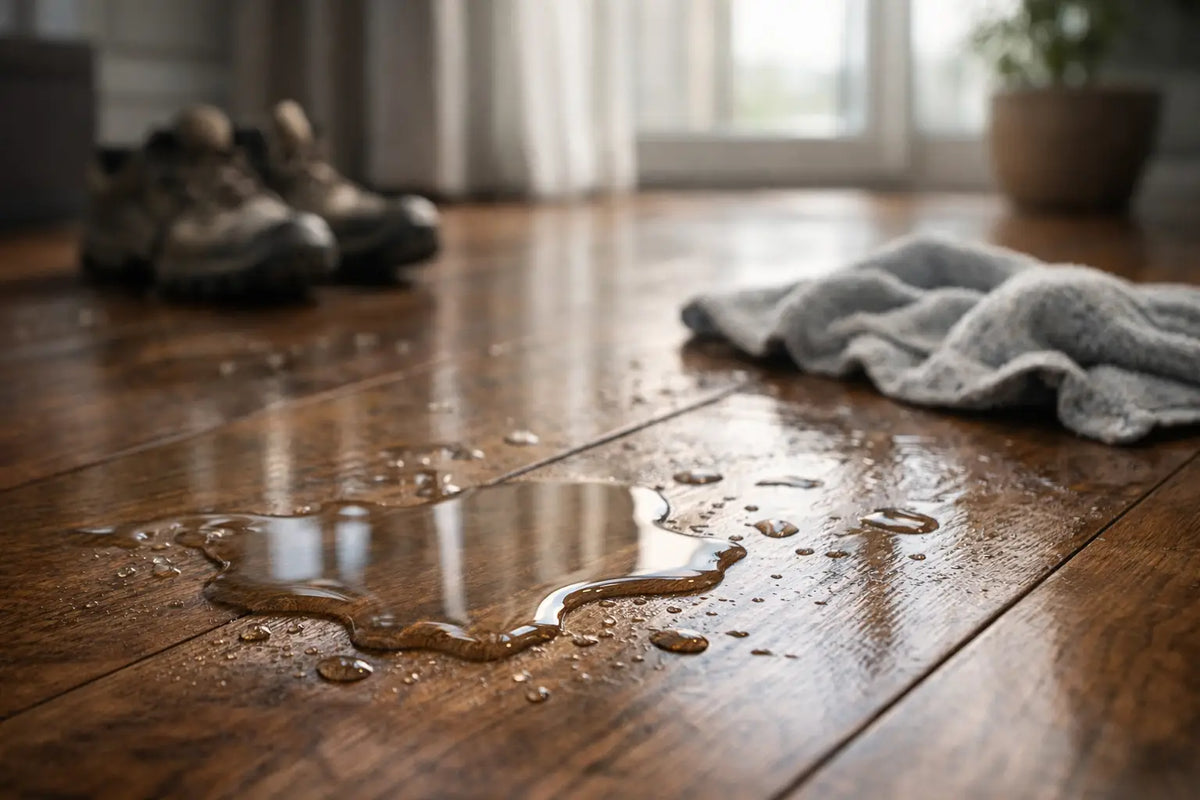
A dropped glass by the kitchen island, wet shoes in a busy entrance or steam from a family bathroom can all put a floor to the test. So, are wood floors waterproof? In short, no. Genuine timber flooring is not waterproof, but the right wood product, finish and installation approach can make it a practical, long-lasting choice in many rooms where occasional moisture is expected.
The distinction matters when selecting a premium floor. A beautiful oak board may be perfect for an open-plan kitchen and living area, while a waterproof wood-effect alternative is usually the more dependable specification for a shower room or heavily used commercial entrance. Choosing on appearance alone can lead to movement, staining and avoidable replacement costs.
Are wood floors waterproof or water-resistant?
Waterproof means a material can prevent water passing through it or damaging it, even during prolonged exposure. Porcelain tiles and quality luxury vinyl flooring are common examples. They are suitable for areas where splashes, wet footwear and routine mopping are part of daily use.
Wood is hygroscopic, meaning it naturally takes on and releases moisture from the air. When exposed to standing water or repeated dampness, timber can swell, cup, warp or develop gaps between boards. Even a factory-lacquered surface is not a sealed plastic shell. Water can find its way through joints, around the perimeter, beneath skirtings and into scratches or unprotected cut edges.
Water-resistant is therefore the more useful term for many wood floors. A well-finished engineered wood floor can cope with the occasional spill if it is wiped up promptly. It cannot be treated as waterproof, and it should not be regularly saturated or left with water sitting on the surface.
How different wood flooring types handle moisture
Solid wood flooring
Solid wood is made from one piece of timber throughout its thickness. It offers an authentic, characterful finish and can often be sanded and refinished over its lifetime. However, it is the least forgiving option where humidity changes significantly. In a kitchen, solid wood needs careful fitting, sensible cleaning and a stable indoor environment. It is generally unsuitable for bathrooms, wet rooms and spaces with a high risk of water ingress.
Species, board width and finish all affect performance, but none turn solid timber into a waterproof floor. Wider boards in particular have more potential to move with seasonal humidity changes. This does not make solid wood a poor choice. It simply needs to be specified for the right room and maintained with the care a natural material deserves.
Engineered wood flooring
Engineered wood combines a real hardwood wear layer with a layered core, commonly plywood. This construction improves dimensional stability compared with solid timber, making engineered boards a popular choice for kitchens, hallways and larger open-plan interiors.
It is still real wood at the surface, so the same fundamental rule applies: deal with spills quickly. Quality engineered flooring, properly acclimatised and installed with appropriate expansion provision, can perform very well in active homes. For projects with underfloor heating, it is often the preferred timber option, provided the flooring manufacturer’s temperature and installation requirements are followed.
The thickness of the real wood layer is worth considering. A thicker wear layer can offer more scope for future renovation, while the core quality and joint design influence day-to-day stability. For a high-value project, these details are as relevant as the grain pattern and chosen colour.
Laminate flooring
Laminate is not wood flooring in the traditional sense, although it often features a convincing timber décor. Standard laminate has a fibreboard core that can swell dramatically if water penetrates the joints. Some modern products are marketed as water-resistant and may offer protection against spills for a stated period, but this is not the same as being waterproof.
Always check the individual product specification rather than relying on a general category label. Water resistance may depend on sealed edges, a particular underlay, perimeter sealing or strict limits on exposure time. A standard laminate floor should not be specified for a bathroom or wet area.
Wood-effect luxury vinyl flooring
For rooms that need the warmth of a timber look with genuine waterproof performance, wood-effect luxury vinyl tile or plank is a strong alternative. It is especially useful in bathrooms, utility rooms, kitchens, commercial spaces and ground-floor entrances. Modern designs can replicate natural knots, grain variation and long-plank proportions with impressive realism.
This is a design-led compromise rather than a second-best choice. It does not provide the tactile feel or repairability of real timber, but it offers practical benefits where moisture, pets, children or frequent cleaning place higher demands on the surface. The subfloor still needs to be dry, smooth and correctly prepared, as waterproof planks do not solve problems caused by moisture rising from below.
Where can wood flooring be used?
In living rooms, bedrooms, dining areas and home offices, both solid and engineered wood are excellent choices when fitted on a suitable dry subfloor. Their natural variation brings depth to spaces where a refined, long-lasting finish is the priority.
Kitchens are more nuanced. Engineered wood is often suitable, particularly in kitchens that flow into dining or living areas and where a continuous floor is central to the design. Use mats near the sink, dishwasher and external doors, protect the floor from leaking appliances, and wipe spills rather than allowing them to sit. A hardwax-oiled finish can be an attractive choice because it gives a natural appearance and can be locally maintained, although it requires regular care. Lacquered finishes tend to offer a more protective surface film but may need a more involved repair if deeply scratched.
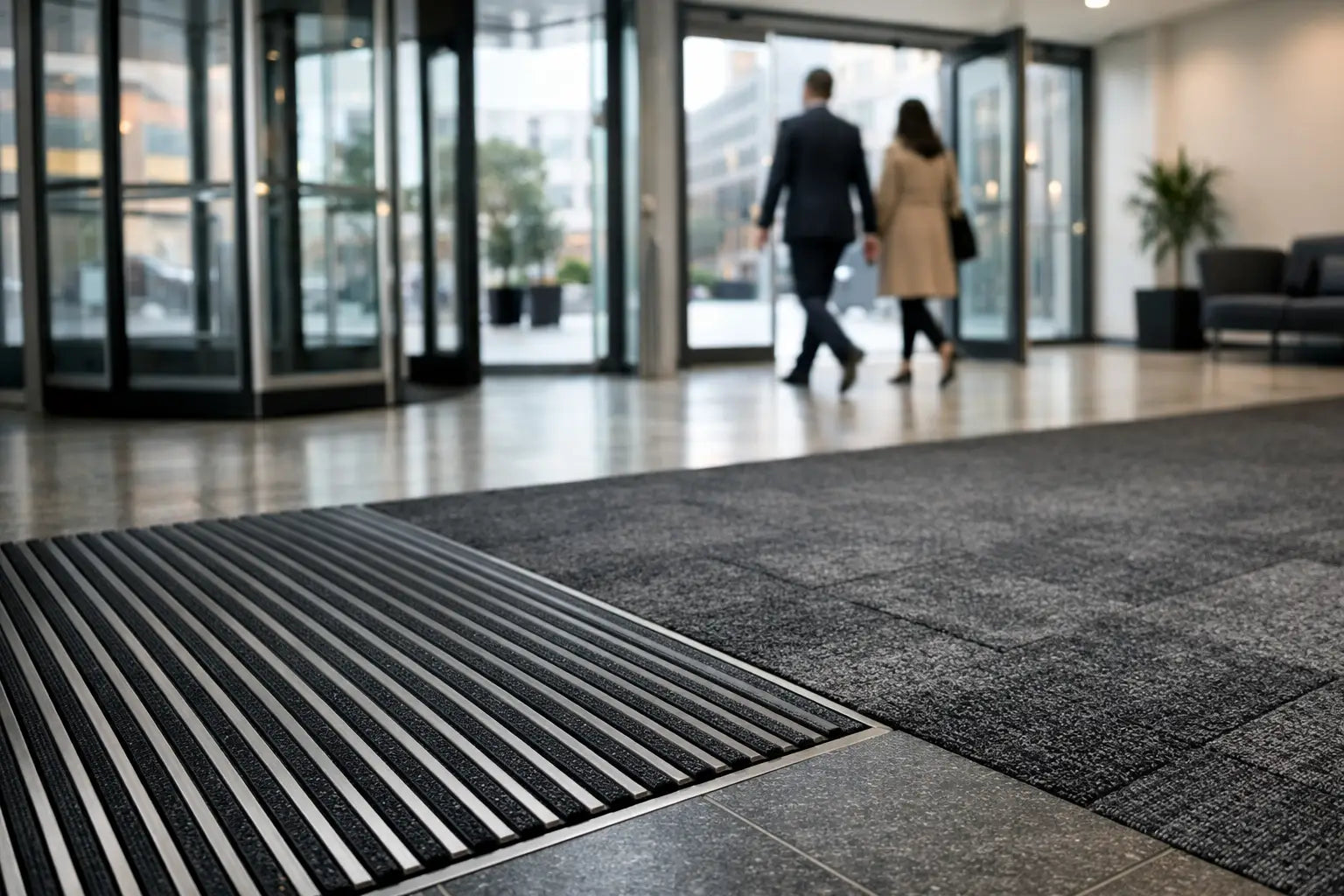
Hallways can also work well with engineered wood, provided wet footwear is managed. Entrance mats should be positioned outside and inside the doorway, without trapping moisture against the boards. In a property where dogs, pushchairs and muddy boots are a daily reality, a wood-effect porcelain tile or luxury vinyl floor may offer greater peace of mind while retaining the desired timber aesthetic.
Bathrooms are where the answer is clearest. Traditional solid wood should be avoided. Engineered wood is sometimes installed in lightly used cloakrooms, but it remains a higher-risk choice and will require careful ventilation, immediate drying of splashes and a clear understanding that leaks can cause damage. For family bathrooms, en suites and wet rooms, waterproof porcelain or wood-effect vinyl is the more reliable specification.
Moisture protection starts below the boards
A floor can fail even when the visible surface has never been flooded. Moisture within a concrete screed or subfloor can migrate into timber and cause movement over time. Before fitting wood flooring, installers should test the subfloor and ensure it meets the flooring and adhesive manufacturer’s moisture limits.
Where required, an effective damp-proof membrane protects the new floor from residual or rising moisture. The chosen underlay, adhesive and fitting method must also suit the product and the subfloor. Floating, glue-down and secret-nailed installations each have different requirements, and incorrect perimeter gaps can leave no room for natural expansion.
For commercial projects, these checks are particularly valuable. The cost of delaying installation until the subfloor is ready is usually far lower than the disruption of lifting and replacing a finished floor. Specification should include the complete system, not simply the boards.
Everyday care that protects a wood floor
The best maintenance routine is uncomplicated. Vacuum with a suitable soft-floor setting or sweep regularly, as grit acts like sandpaper underfoot. Use a well-wrung microfibre mop and a cleaner approved for the floor finish, rather than soaking the surface with water or using steam cleaners.
Felt pads beneath furniture, protective mats in vulnerable areas and prompt attention to spills will preserve both appearance and performance. Avoid dragging heavy furniture across the boards. In rooms with large glazed areas, use blinds or curtains where needed, as intense sunlight can naturally alter timber colour over time.
If a leak occurs, act quickly. Remove surface water, dry the area thoroughly and identify the source before replacing any damaged boards. Flooring can sometimes look acceptable immediately after an incident but show cupping or joint movement later as absorbed moisture takes effect.
Choosing the right finish for the room
The right question is not simply whether wood flooring is waterproof. It is whether real timber is the best material for the room, the expected level of moisture and the maintenance routine the household or building operator can realistically follow.
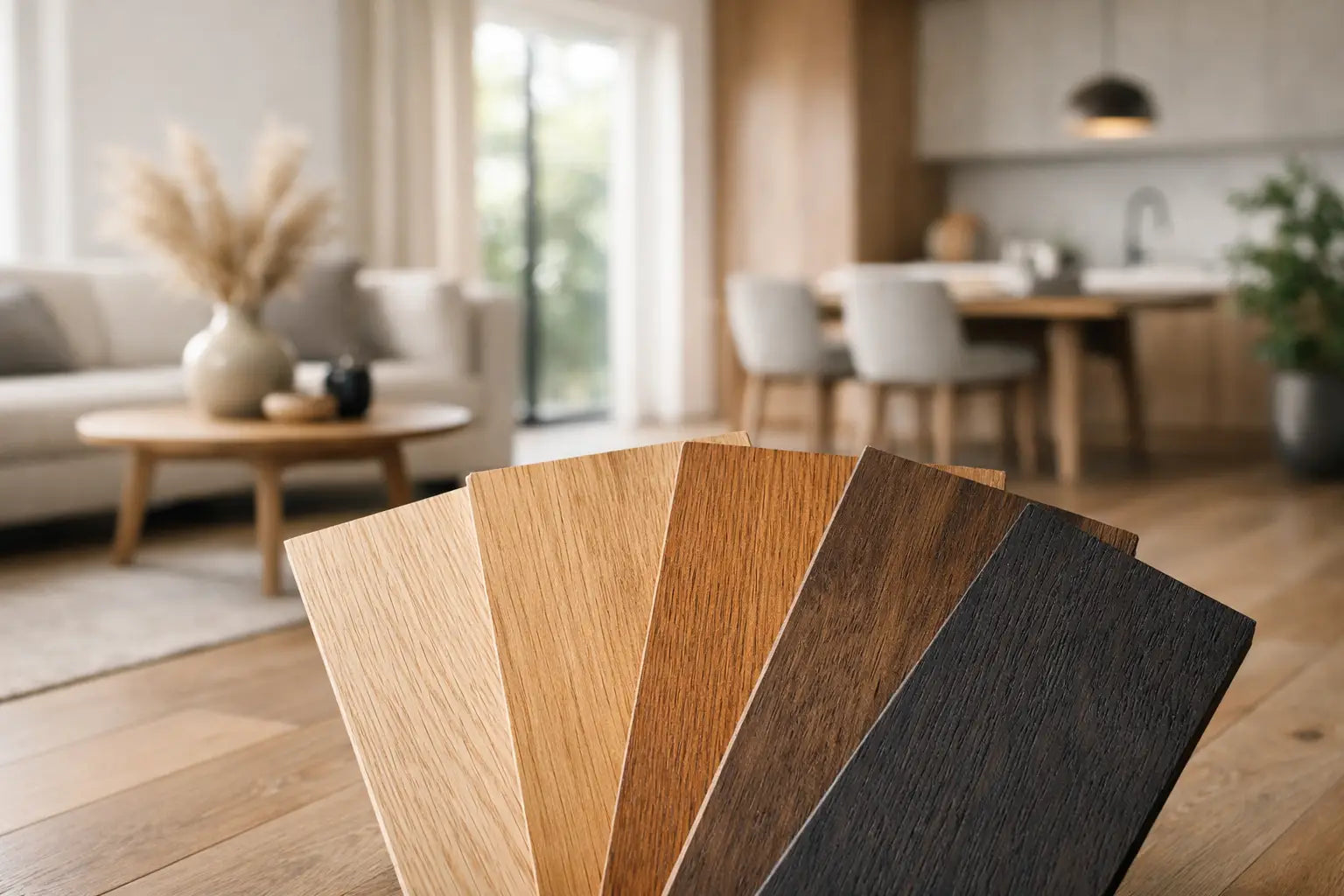
For dry living spaces and carefully managed kitchens, engineered wood delivers a premium natural finish with better stability than solid boards. For bathrooms, utility spaces and high-traffic entrances, waterproof wood-effect flooring provides a more secure performance choice. Samples are invaluable here: view them in the room’s own light, compare their texture and tone against cabinetry or paintwork, and consider the full installation system before placing an order.
A well-specified floor should suit the way the space is actually used, not just the first impression it makes. That is the most reliable route to a finish that still looks considered years after installation.