Are Polished Tiles Slippery? Choosing Safely
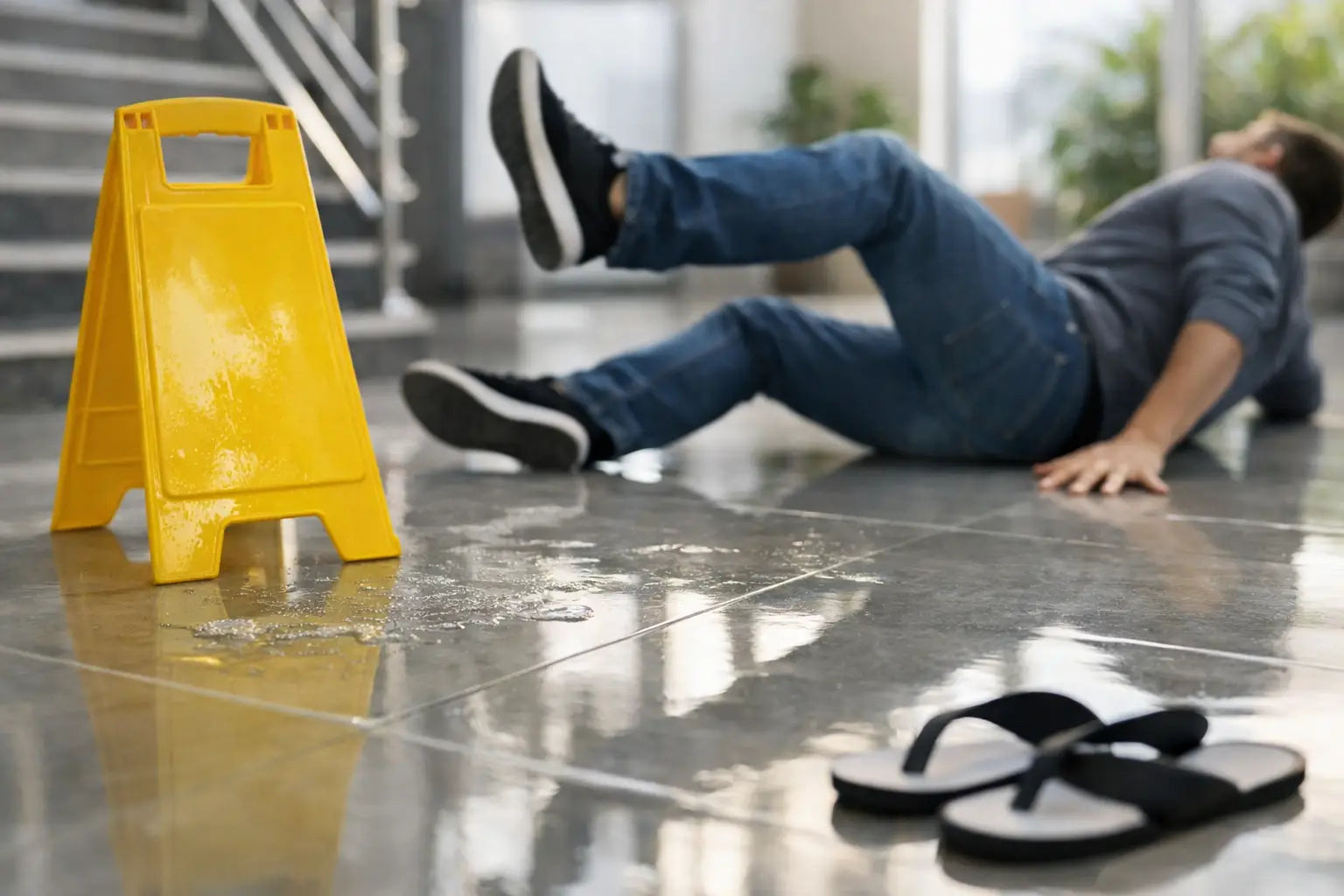
A polished porcelain floor can give a hallway, kitchen or bathroom a refined, expansive look. Its reflective surface brings depth to stone-effect designs and makes light work harder in compact rooms. But are polished tiles slippery? They can be, particularly when water, spills or residues are present. That does not make polished tiles unsuitable for every floor. It means the finish, the location and the technical specification need to be considered together.
For a successful project, appearance should be the starting point, not the final decision. A tile that looks exceptional in a dry living area may not be the right choice beside a walk-in shower, at a busy entrance or on an external terrace.
Why polished tile surfaces can feel slippery
Polished porcelain is produced by mechanically refining the tile face to create a smooth, reflective finish. This removes much of the texture that would otherwise provide underfoot grip. On a dry, clean floor, polished porcelain is often comfortable and stable to walk on in normal footwear. The change comes when a thin layer of water, oil, soap, dust or cleaning product sits between the sole and the tile.
That layer reduces friction. In practical terms, the smoother the surface and the wetter the condition, the more readily a shoe or bare foot can slide. High-gloss ceramic wall tiles follow the same principle, although wall tiles should not be used on floors unless the manufacturer specifically confirms they are suitable.
It is also worth separating gloss from polish. Some glazed porcelain tiles have a shiny appearance but a subtly textured face, while some matt tiles are very smooth. Finish names are useful for design selection, but a tested slip rating is the more reliable measure of floor performance.
Are polished tiles slippery in every room?
The answer depends on how the room is used. In a formal lounge, bedroom or low-traffic dining space, a polished porcelain floor can be an excellent design-led choice. These are generally dry areas where spills are occasional and can be dealt with promptly. A polished marble-effect tile can create a particularly convincing, luxurious finish without the maintenance demands of natural stone.
In kitchens, the decision requires a little more care. Water from the sink, cooking splashes and dropped food are part of everyday life. Polished tiles can still work in a kitchen, especially where the household prefers the look and accepts sensible cleaning habits, but a matt, satin or lightly structured porcelain is often the more forgiving specification for family homes and busy entertaining spaces.
Bathrooms are where the distinction matters most. A polished floor can be suitable in a well-managed dry zone, such as a cloakroom with limited water exposure. It is usually not the first choice for shower areas, wet rooms or floors regularly used by children, older family members or guests. Soap, shampoo and bare feet create a more demanding environment than a dry hallway in shoes.
For entrance halls, utility rooms, commercial reception areas and hospitality projects, consider not only water but contamination from outside. Rain, grit and mud can be brought in repeatedly, especially during a Cumbrian winter or at a busy public entrance. A tile with a more appropriate slip resistance and a proper entrance matting strategy will normally offer better long-term performance than a highly polished finish.
Polished tiles are generally best avoided outdoors. Rain, algae, frost and surface contamination create conditions that call for a purpose-designed external porcelain tile with a textured, higher-grip finish.
Understanding tile slip ratings
Slip resistance should be assessed from the product's technical data rather than by running a hand over a sample. Manufacturers may provide one or more recognised test results, and the relevant figure depends on the setting and intended use.
R ratings for shod areas
Many porcelain floor tiles are shown with an R rating, commonly from R9 upwards. This relates to slip resistance in a ramp test using footwear and oil. As a broad guide, R9 is often associated with lower-risk internal dry areas, while R10 and above provide more surface grip for locations where conditions are more demanding.
An R rating should not be treated as a universal pass-or-fail label. An R10 tile may be a sensible option for a kitchen or hall, but the correct specification still depends on expected contamination, cleaning routines, gradients, footfall and the people using the space. The rating also does not automatically describe bare-foot performance in a shower area.
Pendulum test values
Some projects, particularly commercial schemes, may require a Pendulum Test Value, or PTV. This test can assess a surface in dry and wet conditions and is widely used in the UK when evaluating slip potential. Project specifications may state a required wet PTV, especially for public-facing areas.
If a contractor, architect or hotel operator is working to a particular performance requirement, check the requested standard before selecting the tile. Product imagery and general descriptions cannot replace the technical information required for a formal specification.
Barefoot wet areas
For pool surrounds, communal changing rooms and wet-room environments, manufacturers may quote a separate barefoot classification. These results are designed for wet, bare-foot use and are particularly relevant where shower water is likely to spread across the floor. A tile suitable for a kitchen in footwear is not necessarily appropriate for a spa or walk-in shower.
Choosing a safer finish without losing the design
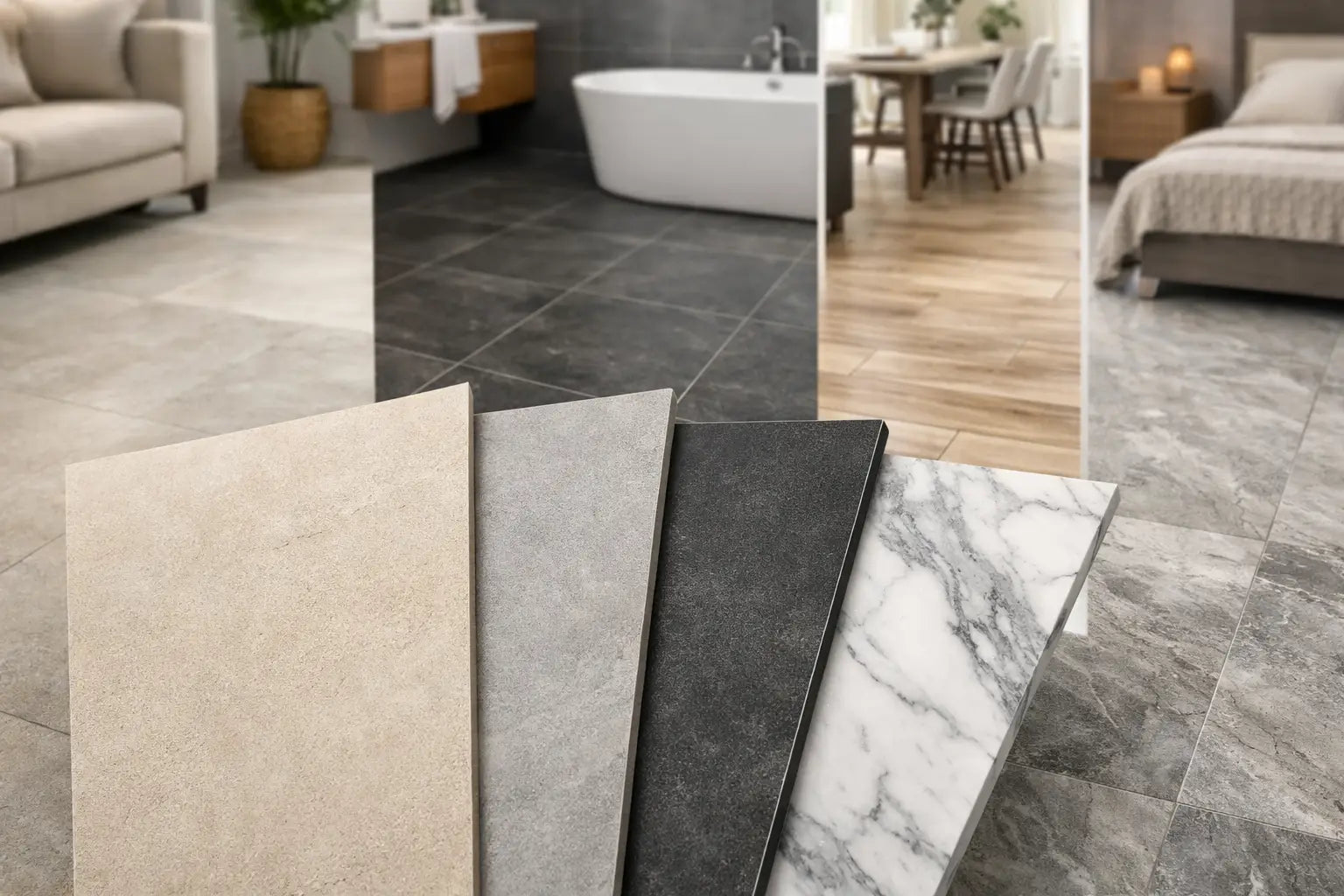
The good news is that a practical floor does not have to look utilitarian. Modern European porcelain collections offer stone, concrete, timber and marble effects in finishes that retain visual depth while providing more confidence underfoot.
A matt finish is often the most versatile choice for kitchens, hallways and family bathrooms. It tends to conceal water marks, smudges and day-to-day dust more effectively than a polished surface, while its lower sheen feels contemporary and considered. Satin finishes can provide a softer light reflection where a completely matt appearance is not desired.
For shower floors and wet rooms, smaller-format tiles can be useful. More grout joints create additional grip and allow the floor to be formed accurately to falls around the drain. This is one reason a large polished slab may look striking on a bathroom moodboard but be less practical on the floor of a working shower.
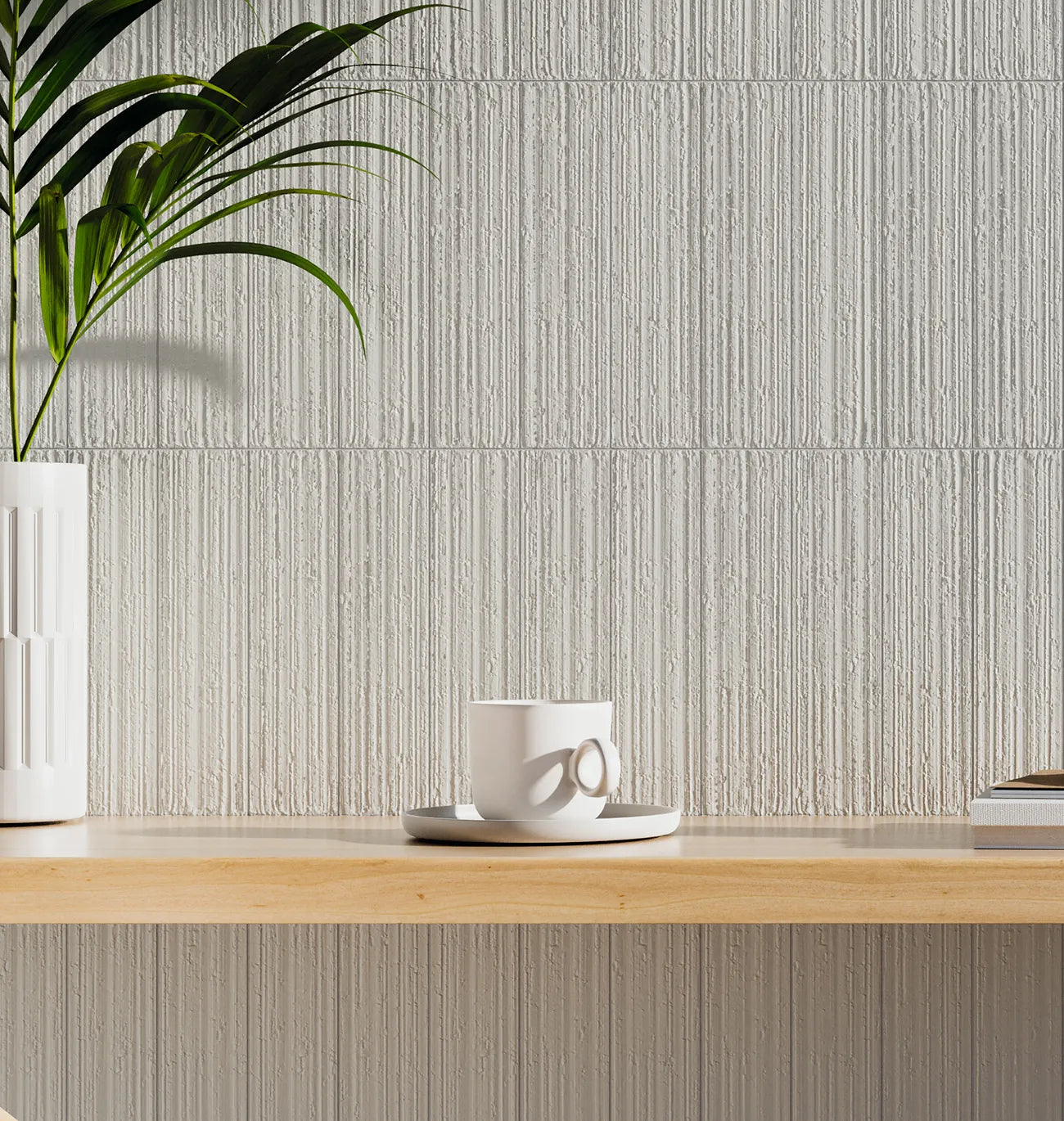
Texture has a visual role as well as a safety role. A stone-effect porcelain with a gentle riven or natural grain can bring character to an entrance or kitchen without appearing overly rough. For commercial spaces, select the surface according to the operational requirement, then use colour, format and laying pattern to achieve the intended scheme.
Installation details that affect safety
Even the right tile can underperform if it is installed poorly. Floors must be sound, flat and prepared with the correct boards, primers, adhesive and movement provision. In wet areas, suitable tanking and waterproofing are essential before tiling begins. Water finding its way beneath a tiled finish is a far greater problem than a temporary wet surface.
Falls are critical in showers and wet rooms. The floor needs to direct water efficiently towards the waste rather than allowing it to pool. Your installer should confirm the proposed tile format, thickness and drainage layout before work starts, as not every tile is equally easy to cut and form to a consistent fall.
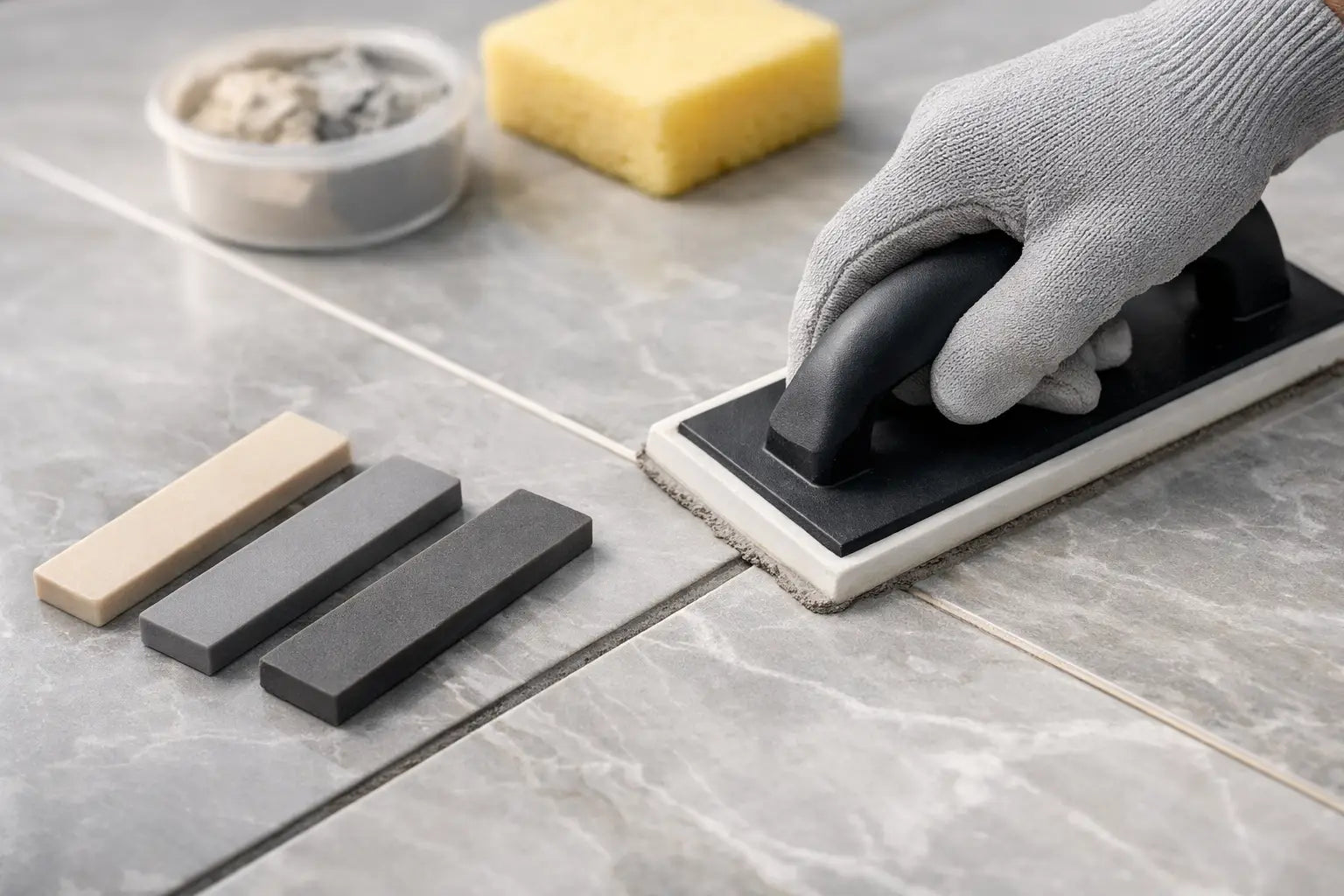
Grout selection matters too. A grout joint contributes to traction, but it is not a substitute for choosing a tile with an appropriate finish. Use a quality grout suited to the room, keep joints evenly finished and allow the system to cure fully before the area is put into service.
For larger projects, obtain samples and inspect them in the actual lighting conditions. A showroom sample is valuable for assessing colour and texture, but it should also be checked against the project brief, room use and available technical data. Smart Tiles can help bring these aesthetic and practical considerations together before quantities and installation materials are finalised.
Cleaning polished floors safely
A polished tile floor stays safer when it is kept free from residues. Use a pH-neutral cleaner recommended for porcelain or ceramic surfaces, follow the dilution guidance and avoid applying excessive product. Overuse of detergent, wax-based treatments or unsuitable cleaning agents can leave a film that reduces traction and dulls the finish.
Wipe spills promptly, particularly oil, soap and cooking liquids. In bathrooms, a bath mat outside the shower or bath can make a meaningful difference, provided it is kept clean and dries properly. At entrances, use effective matting to capture moisture and grit before it reaches the tiled floor.
Avoid assuming that a rougher surface needs aggressive cleaning. Textured porcelain may hold more dirt in its profile, so it benefits from regular cleaning with the right brush or pad and sufficient rinsing. The objective is a clean surface with its intended texture exposed, not a build-up of detergent in the grain.
Make the finish fit the way the space will be used
Polished tiles are a strong choice when the brief calls for light, reflection and a premium, refined finish in predominantly dry areas. Where regular water, soap, outdoor contamination or heavy public footfall are part of the picture, a matt or higher-grip porcelain will usually give greater everyday reassurance.
The most successful tile schemes do not force one finish into every room. Select the surface that suits each zone, check the technical data before committing, and let practical performance support the design you want to live with for years.