Article: Are Ceramic Tiles Waterproof? The Practical Answer
Are Ceramic Tiles Waterproof? The Practical Answer
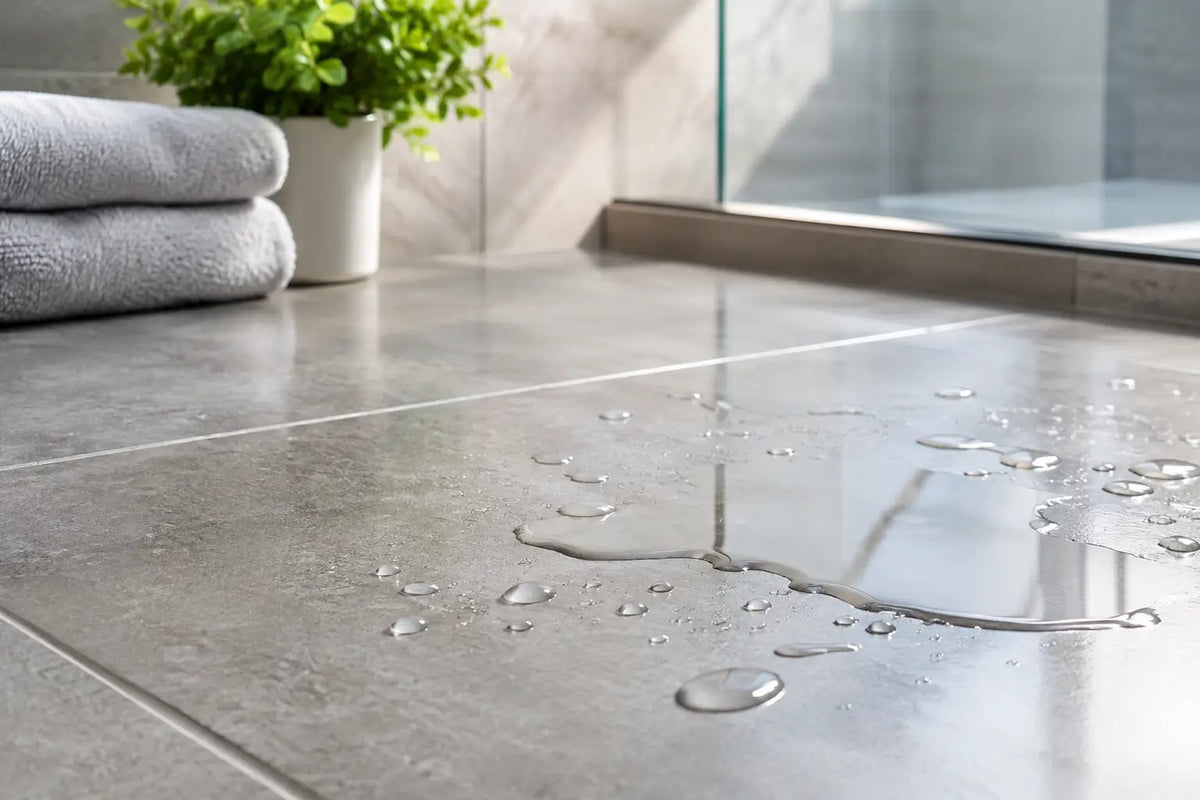
A glossy ceramic wall tile can look completely impervious to water, but are ceramic tiles waterproof in the way a shower enclosure or tanked wet room needs to be? Not quite. The face of a glazed ceramic tile is highly water-resistant, yet a tiled finish is a system of tiles, grout, adhesive, substrate and, where required, waterproofing protection.
For kitchens, bathrooms and utility spaces, ceramic tiles remain an excellent and practical choice. The key is selecting the right tile and pairing it with an installation specification that suits the amount of water the surface will receive.
Are Ceramic Tiles Waterproof or Water-Resistant?
Most ceramic tiles used for interior walls have a fired clay body finished with a durable glazed surface. That glaze is the part you see and clean, and it provides strong resistance to water, staining and everyday splashes. This makes glazed ceramic tiles particularly suitable for bathroom walls, kitchen splashbacks, cloakrooms and lower-splash areas around basins.
However, ceramic tiles are not automatically waterproof throughout their full thickness. The tile body can absorb a small amount of moisture, particularly at cut edges, unglazed areas and the reverse of the tile. The precise absorption level varies between products, so it is worth checking the technical information when specifying tiles for a high-moisture setting.
Water resistance is usually more relevant than absolute waterproofness for standard wall tiling. A properly installed glazed ceramic tile finish manages normal water exposure very well. But where water can be driven repeatedly into joints or behind tiles, such as in a shower enclosure or wet room, the wall or floor beneath needs protection in its own right.
Why Grout and Joints Matter as Much as the Tile
The joints between tiles are often the most vulnerable part of a tiled surface. Cement-based grout is durable and suitable for many domestic applications, but it is not a complete waterproof barrier. It can absorb moisture, especially if it is poorly mixed, cracked, inadequately cured or left unsealed where sealing is recommended.
Movement joints and internal corners need equal attention. A rigid grout joint in the corner of a shower can crack as building materials move slightly over time. A suitable sanitary silicone sealant is normally used at changes of plane, around shower trays, baths and basins, rather than grout alone.
For projects exposed to frequent water, installers may specify a high-performance grout or epoxy grout. Epoxy grout has very low porosity and excellent stain resistance, making it a strong option for demanding domestic and commercial interiors. It does have a different application process and is less forgiving to install, so it should be selected with the installer and project requirements in mind.
The adhesive also matters. A suitable flexible tile adhesive should be chosen for the tile type, substrate and setting. Using the right adhesive, grout, trims and sealants helps create a finish that looks considered and performs properly over the long term.
Ceramic Tiles in Showers and Wet Rooms
Ceramic wall tiles are widely used in shower areas, and there is no reason to avoid them when the installation is correctly prepared. The tile itself provides the attractive, easy-clean surface; the waterproofing sits behind it.
In a shower enclosure, installers should assess the background before tiling. Moisture-resistant tile backer boards or a compatible tanking system can protect vulnerable walls from water penetration. This is especially important over plasterboard, timber-based backgrounds or substrates that could deteriorate if moisture reaches them.
A wet room demands a more detailed approach. Floors, junctions, drains and walls within the splash zone should be incorporated into a waterproofing system before tiling begins. The tiled finish is then installed over that protected base. This distinction matters: tiles and grout create the visible wearing surface, while the tanking system manages water that may pass through joints over the lifetime of the installation.
For a conventional family bathroom where the walls only receive occasional splashes, full tanking across every wall may not be necessary. The shower area, bath surround and other high-exposure zones are the priorities. The right level of preparation depends on the substrate, the room layout and how the space will be used.
Ceramic Versus Porcelain for Water Exposure
Ceramic and porcelain tiles are both fired products, but porcelain generally has a denser body and a lower water absorption rate. As a result, porcelain is often the preferred material for shower floors, wet room floors, busy entrances and commercial spaces where a highly durable, low-absorption surface is required.
That does not make ceramic a second-rate choice. Ceramic wall tiles offer a broad choice of formats, colours, gloss levels, handmade-style finishes and decorative designs. They can be easier to cut than porcelain and are often a very effective way to achieve a refined bathroom or kitchen scheme without specifying a heavier-duty tile where it is not needed.
The decision should be led by location. A ceramic wall tile can be ideal for a striking shower wall when installed over an appropriate waterproofed background. For a floor that will be regularly wet, porcelain is more commonly the sensible specification, provided the chosen finish also delivers suitable slip resistance.
Do Ceramic Tiles Need Sealing?
Most glazed ceramic tiles do not need sealing. Their glazed face is already designed to resist moisture and staining, and applying a sealer to it can leave residue or alter the intended appearance. Always follow the individual product and sealer guidance rather than treating sealing as a standard step.
Unglazed ceramic tiles, crackle-glazed products and decorative finishes may have different requirements. Crackle glazes can contain fine surface crazing that gives the tile its character, but these lines may take on moisture or staining if they are not protected with the correct compatible sealer. Natural-looking artisan finishes should therefore be specified with care in splash-prone areas.
Grout may benefit from sealing in some installations, particularly light-coloured cement grout on kitchen splashbacks or bathroom walls. Sealing can make routine cleaning easier, but it is not a substitute for tanking in a shower or wet room. It should be viewed as a maintenance and stain-management measure, not a waterproofing system.
Choosing Ceramic Tiles for Each Room
In a kitchen, glazed ceramic tiles work particularly well as splashbacks behind hobs and worktops. Grease, cooking splashes and everyday marks can be wiped away easily, while the range of decorative shapes and finishes allows the surface to become a real design feature. Check that the tile is suitable for use near heat sources and allow for appropriate clearances around cookers.
For bathroom walls outside the direct shower area, ceramic provides a practical balance of design flexibility, value and easy maintenance. Large-format tiles can create a quieter, more contemporary look with fewer grout lines, while smaller metro, square or patterned tiles bring rhythm and detail to a compact room.
On floors, check the manufacturer's suitability guidance rather than assuming any ceramic tile can be used underfoot. Floor tiles need adequate strength and, in bathrooms, an appropriate slip rating for the expected conditions. A polished or high-gloss finish may look exceptional on a wall but be less suitable on a wet floor.
Commercial projects require another level of consideration. Hotels, restaurants and washroom facilities may need tiles that meet particular demands around traffic, cleaning regimes, slip resistance and substrate movement. Product selection should be coordinated with the wider specification, including movement joints, waterproofing and access for future maintenance.
Installation Details That Protect the Finish
Even premium tiles cannot compensate for poor preparation. The background should be clean, sound, flat and stable before installation starts. Uneven walls make it harder to achieve consistent adhesive coverage, while unstable substrates can lead to cracks in tiles or grout.
In wet areas, full adhesive coverage is particularly important. Voids behind tiles can create weak spots and allow moisture to sit where it cannot easily dry. Correctly sized trowels, suitable back-buttering where needed and careful levelling all contribute to a more dependable result.
It is also wise to plan cuts and trims before fixing. Factory edges, neatly finished external corners and compatible tile trims produce a more polished appearance while reducing exposed porous edges. For large formats or feature walls, ordering a sample first can help confirm the colour, glaze variation and scale of the tile in the actual room lighting.
Care and Maintenance
Ceramic tiles are low-maintenance, but regular cleaning still protects their appearance. Use a pH-neutral cleaner where possible and avoid harsh acidic products unless they are specifically suitable for the tile and grout. Abrasive pads can dull certain glazed or metallic-effect finishes.
Inspect silicone joints periodically, especially around shower trays and baths. Replacing tired or mould-affected sealant promptly is a small maintenance task that can prevent water reaching areas it should not. Grout cracks, loose tiles and signs of movement should also be addressed early rather than covered over.
Ceramic tiles offer a beautiful, hard-wearing and water-resistant surface for many interiors. Treat the tile, substrate and installation materials as one complete specification, and the finished room will have the confidence to match its design.