Difference Between Ceramic and Porcelain Wall Tiles
If you are weighing up the difference between ceramic and porcelain wall tiles, the decision usually comes down to more than appearance. On the surface, both can deliver a clean, premium finish in bathrooms, kitchens and commercial interiors. The real difference sits behind the design - in density, water absorption, weight, cutting requirements and how the tile will perform once it is fixed in place.
For some projects, ceramic is the straightforward and cost-effective choice. For others, porcelain offers the extra durability and moisture resistance that makes specification simpler and longer-lasting. The right option depends on the room, the substrate, the tile size and the standard of finish you want to achieve.
What is the difference between ceramic and porcelain wall tiles?
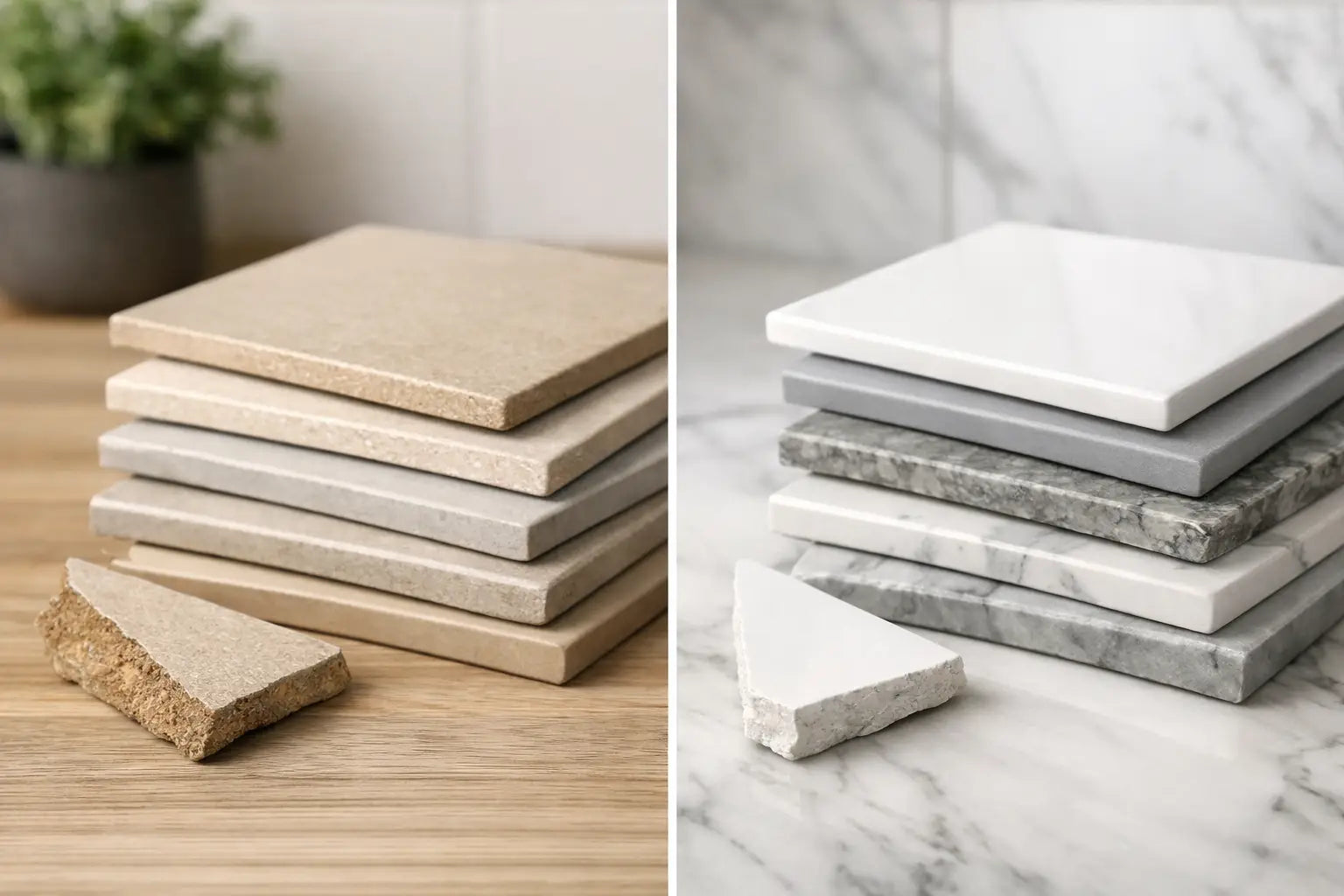
Ceramic and porcelain tiles are both made from clay and fired in a kiln, but they are not produced in the same way. Porcelain is made from finer, denser clays and fired at a higher temperature. That process creates a harder, less porous tile with lower water absorption.
Ceramic wall tiles are generally lighter and slightly easier to cut and drill. They are widely used on interior walls because they offer strong design flexibility, practical performance and good value. Porcelain wall tiles are denser and heavier, which gives them excellent strength and moisture resistance, but can make installation more demanding.
In simple terms, porcelain is usually the more technical product, while ceramic is often the more forgiving one for standard wall applications.
Why material choice matters on wall projects
Wall tiles do not take the same load as floor tiles, but that does not mean material choice is secondary. A bathroom shower enclosure, a kitchen splashback and a hotel washroom wall all place different demands on the tile, adhesive and background.
A heavier large-format porcelain tile may be ideal visually, but it needs a suitable wall, the correct adhesive and an installer who is comfortable handling its weight and density. A ceramic wall tile may achieve the same design brief with easier fixing and lower overall cost. For homeowners, that can mean a smoother installation. For trade buyers, it can mean better programme control and fewer issues on site.
Water absorption and moisture resistance
One of the clearest differences between ceramic and porcelain wall tiles is water absorption. Porcelain has a very low absorption rate, which makes it especially suitable for wet areas. That includes shower walls, wet rooms, changing areas and other environments where regular moisture exposure is expected.
Ceramic wall tiles also perform well in bathrooms and kitchens when correctly installed and grouted, but they are generally more porous than porcelain. In a standard domestic bathroom, that may not present any issue at all. In a heavily used commercial washroom or a consistently damp setting, porcelain often gives greater long-term reassurance.
This is where specification becomes practical rather than theoretical. If the wall tile is going into a low-risk dry or lightly splashed area, ceramic may be entirely appropriate. If the area is regularly saturated or exposed to steam and temperature changes, porcelain often becomes the safer choice.
Strength, density and durability
Porcelain is harder and denser than ceramic. That makes it highly durable, but durability on a wall needs to be considered properly. A wall tile does not need to withstand foot traffic, so the question is not simply which is stronger.
The better question is whether that extra density adds useful value to the project. In high-traffic commercial interiors, public washrooms or hospitality settings, a denser porcelain wall tile can offer more confidence against impact, wear and frequent cleaning. In a domestic cloakroom or a decorative kitchen wall, ceramic may be more than sufficient.
The trade-off is handling. The same density that improves performance also makes porcelain harder to cut, slower to drill and heavier to install. That can affect labour time, waste levels and tool requirements.
Installation differences you should account for
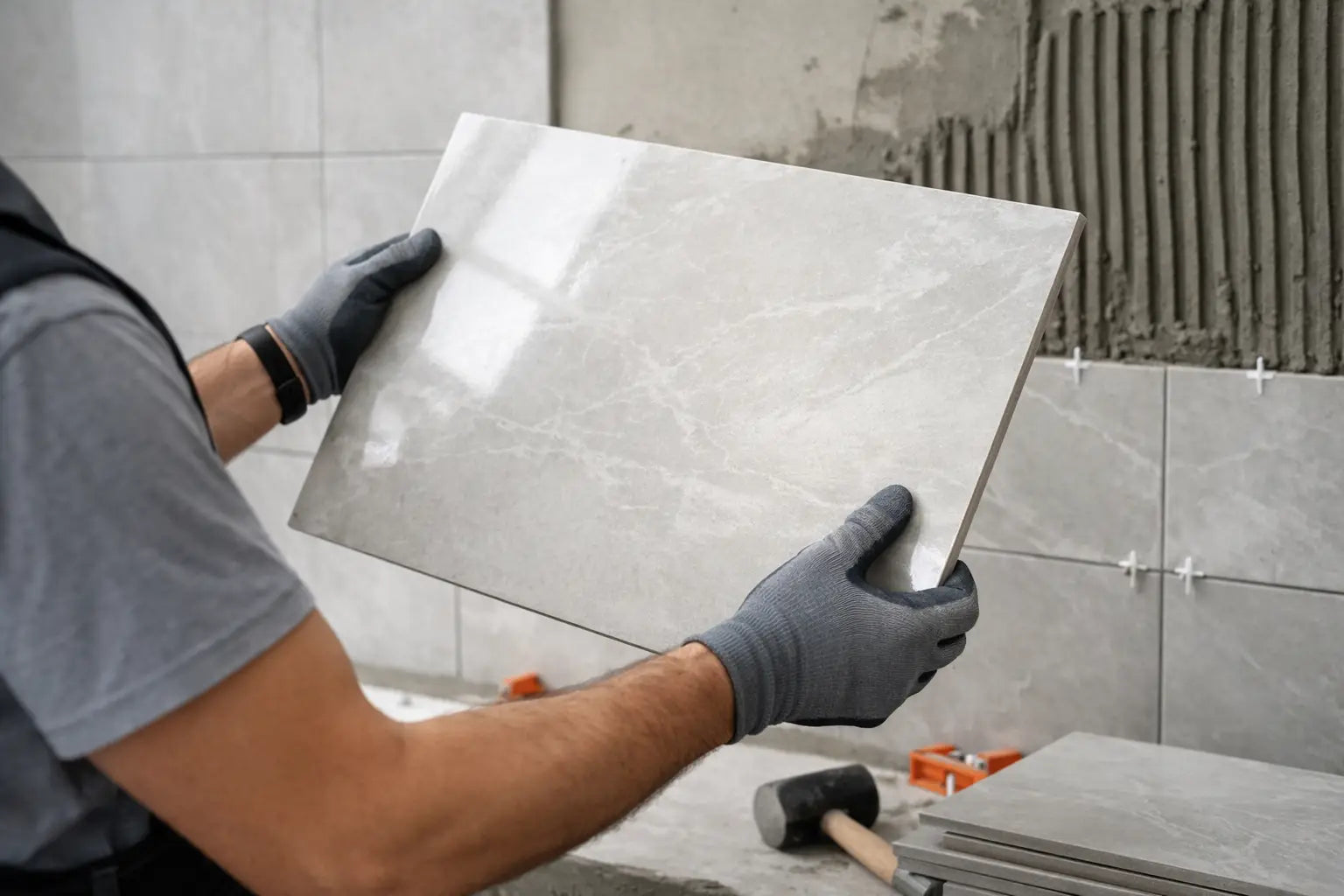
This is often where the choice becomes clearer. Ceramic wall tiles are generally easier to cut around sockets, valves, corners and awkward details. They are usually lighter to lift and position, which can speed up fitting and reduce installer fatigue, especially on full-height walls.
Porcelain requires more from both the installer and the fixing system. Because it is denser, it usually needs higher-quality cutting equipment and more care when drilling penetrations. Larger porcelain wall tiles also need proper attention to substrate suitability, adhesive selection and tile support during installation.
For experienced installers, none of this is a barrier. It is simply part of planning the job correctly. But if you are comparing quotes or assessing total project cost, it is worth recognising that porcelain can increase installation complexity even when the tile price itself looks competitive.
Finish, style and design flexibility
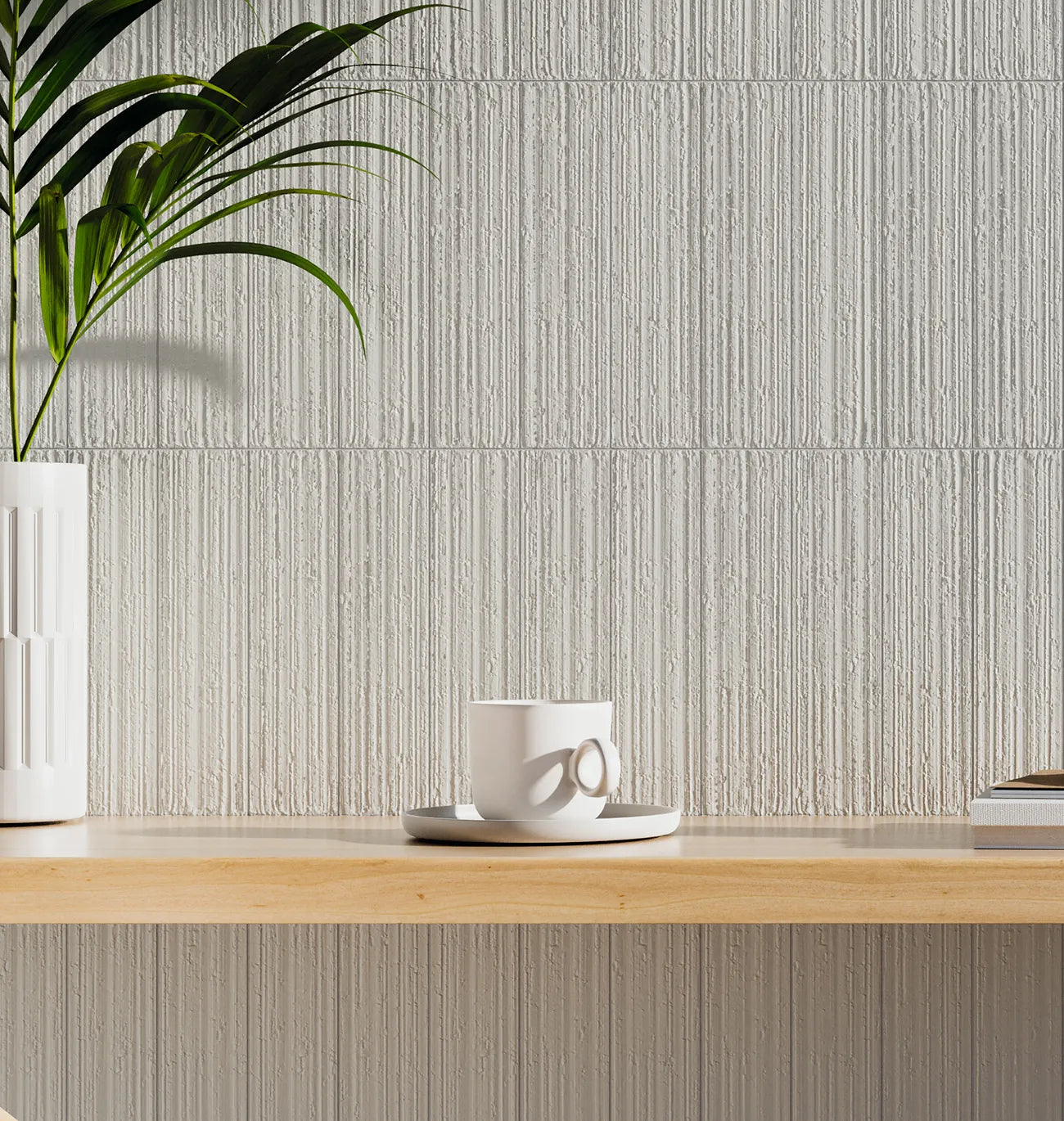
From a design point of view, both materials offer strong options. Ceramic wall tiles are often used in decorative formats, gloss finishes, handmade-look surfaces, metro styles and feature tiles. They are a common choice when the visual brief calls for colour, texture or a more detailed wall layout.
Porcelain wall tiles tend to be strong in stone-effect, concrete-effect, marble-effect and large-format designs. Because porcelain can be manufactured with very crisp detail and stable performance, it is often used where a sleek, contemporary finish is required.
That said, there is overlap. You cannot judge the material purely by the look. Some ceramic wall tiles appear very refined, and some porcelain tiles are intentionally decorative. The better approach is to choose the visual style first, then check whether the material suits the room and installation conditions.
Size and weight considerations
Tile size can influence material choice more than many buyers expect. Large-format wall tiles are frequently manufactured in porcelain because its density supports precise sizing and a clean, modern look. These formats can reduce grout lines and create a more expansive feel, especially in bathrooms.
The drawback is weight. Larger porcelain wall tiles place more demand on the wall and on the installer. The background must be sound, flat and suitable for the load. Adhesives and levelling systems may also be more important.
Smaller and mid-sized ceramic wall tiles are often easier to manage and can be a practical solution where walls are less than perfect or where more cuts are needed. If the project includes alcoves, boxing-in or a lot of detailing, ceramic can make life easier without compromising the finished appearance.
Cost differences and where the value sits
Ceramic wall tiles are usually the more budget-friendly option, both in product price and in installation time. For many standard interior wall applications, that makes them excellent value. You still get a durable, attractive finish without paying for performance you may not need.
Porcelain wall tiles often cost more, though not always dramatically more. The bigger cost question is the full installed price. If the tile is heavier, slower to cut and more demanding to fix, labour and ancillary materials can shift the overall budget.
That does not make porcelain poor value. In the right setting, it can be the better investment because of its lower water absorption, higher density and long-term performance. The key is matching the specification to the environment rather than assuming the more technical product is always the better buy.
Which rooms suit ceramic and which suit porcelain?
Ceramic is a strong choice for kitchen walls, splashbacks, utility rooms, cloakrooms and many standard bathroom walls. It is especially useful where decorative formats or glossy finishes are part of the look, and where ease of installation matters.
Porcelain is often the stronger candidate for shower enclosures, wet rooms, commercial washrooms and walls exposed to higher moisture levels or heavier use. It also suits projects where large-format contemporary surfaces are a priority.
There is no absolute rule that ceramic is only for dry areas or that porcelain is mandatory in every bathroom. A lot depends on how the room is used, how well the substrate is prepared and whether the correct installation products are specified alongside the tile.
Making the right choice for your project
If you want a wall tile that is easier to handle, more cost-effective and well suited to most interior wall applications, ceramic is often the practical answer. If you need greater moisture resistance, a denser body and a more technical specification for demanding spaces, porcelain is usually worth the extra consideration.
The most reliable decisions come from looking at the whole job: room type, tile format, wall condition, fitting complexity and finish expectations. That is why many customers compare samples, check coverage, and source the right adhesive, grout and trims at the same time rather than treating the tile as a standalone purchase.
At Smart Tiles, that joined-up approach matters. A wall tile should look right on the board, but it also needs to arrive on site as part of a system that works.
If you are choosing between ceramic and porcelain, think beyond the display face. The best wall tile is the one that suits the space, fits the installation and still looks right long after the grout has set.