Best Tiles for Bathroom Walls: What to Choose
A bathroom wall tile can look exceptional on a sample board and still be the wrong choice once steam, cleaning, lighting and layout come into play. That is why choosing the best tiles for bathroom walls is rarely about one single material or trend. It is about selecting a finish that suits the room, performs properly over time and gives the overall scheme the level of polish you want.
For some projects, that means a crisp ceramic wall tile with a clean satin glaze. For others, it means large-format porcelain with minimal joints, or a stone-effect tile that brings warmth without the maintenance of natural stone. The right answer depends on the room size, the design brief, the substrate, and how the bathroom will be used day to day.
What are the best tiles for bathroom walls?
In most cases, the best tiles for bathroom walls are porcelain or ceramic. Both are dependable, easy to maintain and available in a wide range of sizes, colours and finishes. For homeowners, that means more design freedom without compromising practicality. For installers and specifiers, it means reliable products that can be matched to the performance demands of the space.
Ceramic wall tiles are often an excellent choice for standard bathroom walls. They are generally lighter than porcelain, making them easier to handle and quicker to install in many settings. They also work particularly well for decorative formats such as metro tiles, gloss feature tiles and smaller patterned pieces.
Porcelain tiles bring greater density and durability. While that level of performance is often more critical on floors, it can still be a strong option for bathroom walls, especially in wet rooms, shower enclosures and premium schemes where a refined large-format finish is required. Porcelain is also ideal where a wall tile needs to coordinate seamlessly with matching floor tiles.
Natural stone can look impressive, but it is not always the most straightforward route. It usually requires sealing, ongoing care and more careful product selection around moisture exposure. For many projects, a stone-effect porcelain offers the same visual character with a much simpler maintenance profile.
Choosing by bathroom type and usage
The best tile for a cloakroom is not necessarily the best tile for a busy family bathroom. Usage matters.
In a smaller guest bathroom or WC, decorative impact often leads the decision. This is where colour, texture and patterned wall tiles can work particularly well because the room has lower moisture demand and less daily wear. You can afford to be more design-led without putting performance under pressure.
In a family bathroom, easy cleaning tends to move higher up the list. Larger tiles with fewer grout lines are often more practical, particularly around baths and shower areas. Mid-tone or matt finishes can also be more forgiving than high-gloss white surfaces, which tend to show splashes and smears more readily.
For shower enclosures and wet rooms, water resistance and installation quality become central. Porcelain is often a strong choice here, especially in larger formats. It creates a more continuous surface and gives a cleaner visual finish, provided the substrate preparation, adhesive and grout are specified correctly.
Commercial bathrooms and hospitality settings usually require a more performance-led approach. Durability, repeatability of supply, cleaning regimes and consistency across larger areas all matter. In these settings, design still counts, but specification discipline matters just as much.
Ceramic vs porcelain for bathroom walls
If you are comparing ceramic and porcelain, the decision usually comes down to format, finish and application rather than one being universally better.
Ceramic is well suited to bathroom walls because it is cost-effective, versatile and available in design-led collections. It is particularly useful when the brief calls for gloss wall tiles, decorative shapes or classic smaller formats. It can also reduce installation effort on vertical surfaces because of its lighter weight.
Porcelain is typically the stronger technical product. It is denser, less porous and often available in sophisticated stone, concrete and marble-effect designs. If you want large-format bathroom walls with a premium contemporary feel, porcelain usually offers more options. It also helps when you want continuity from wall to floor using the same collection.
The trade-off is practical. Porcelain can be heavier, harder to cut and sometimes more demanding to install. That does not make it a poor choice - only one that benefits from proper planning, suitable fixing materials and experienced fitting.
Finish matters as much as material
When customers ask about the best tiles for bathroom walls, they often focus on material first. In reality, the surface finish can have just as much impact on the final result.
Gloss tiles reflect light and can make smaller bathrooms feel brighter and more open. They are a strong option for compact en suites, cloakrooms and classic wall schemes. They also suit traditional formats such as metro tiles and bevelled ceramics. The downside is that a very glossy surface can show marks more easily, especially under direct downlighting.
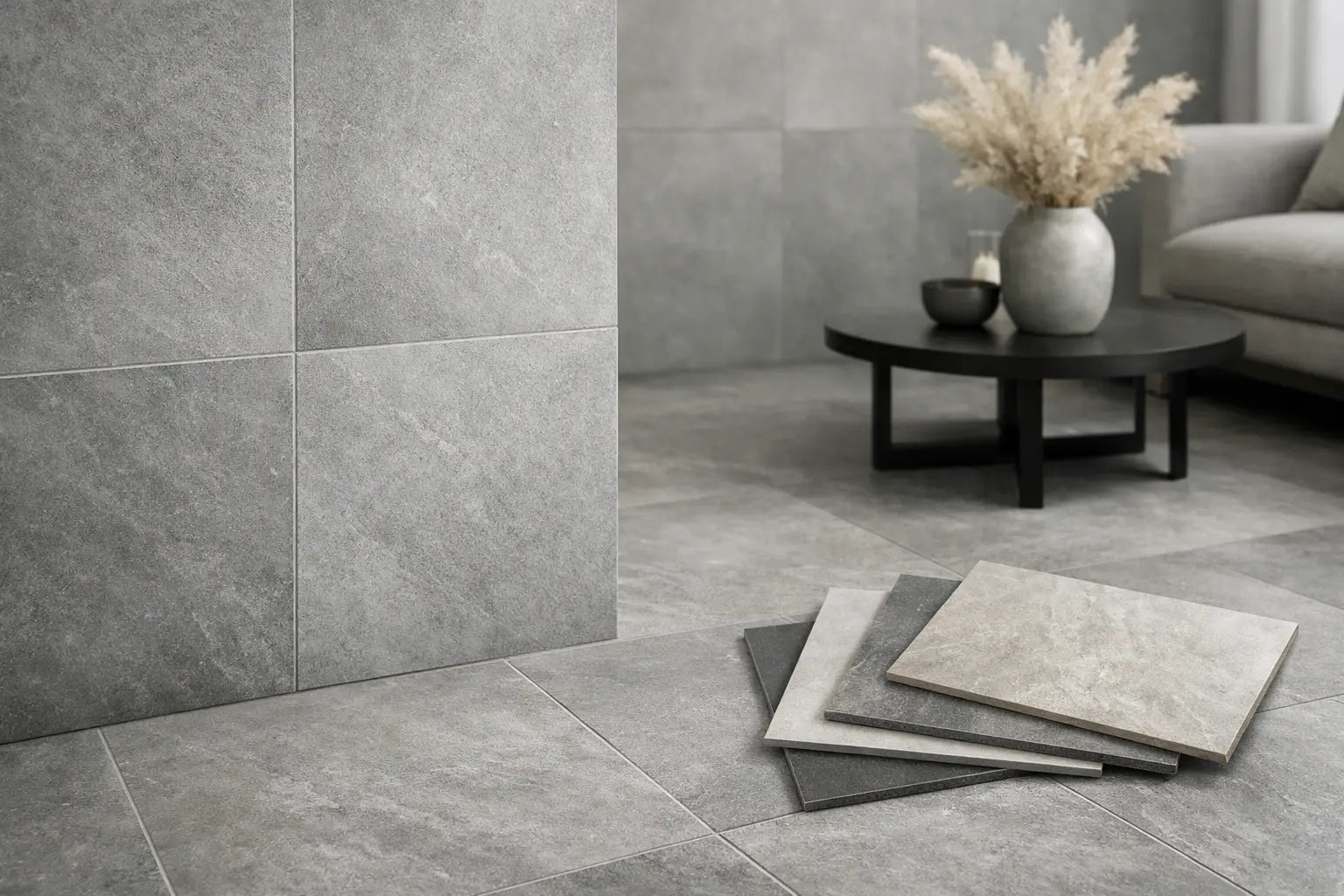
Matt tiles feel more contemporary and understated. They work particularly well in stone-effect, concrete-effect and larger-format porcelain ranges. Matt finishes also tend to soften reflections, which can create a calmer and more architectural feel. In some bathrooms, that delivers a more premium result than gloss.
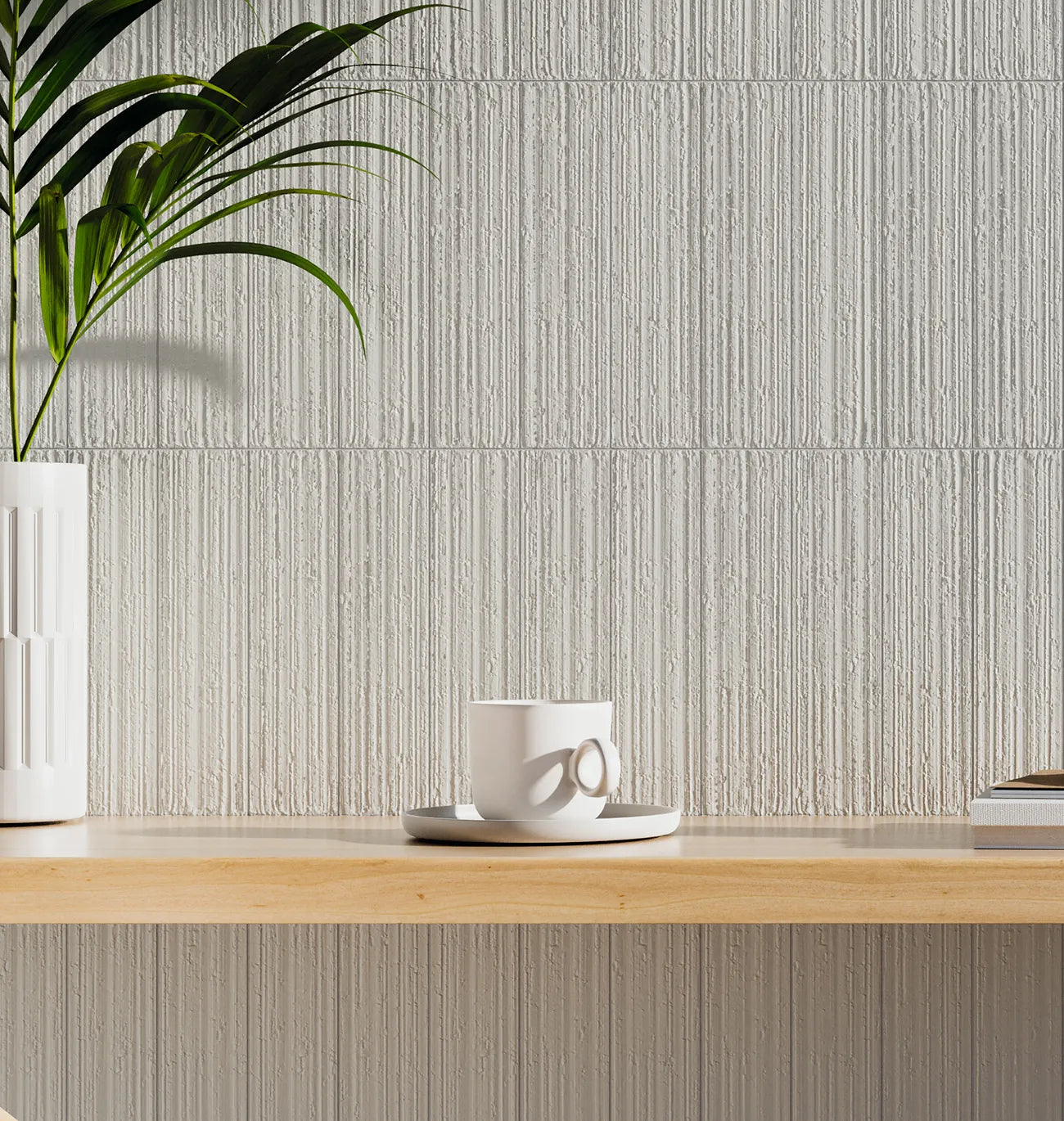
Textured wall tiles add depth and interest, but they need a little more thought. Heavy texture can make cleaning more awkward in splash zones or shower areas. Used selectively on a feature wall or vanity backdrop, though, textured tiles can add distinction without creating unnecessary maintenance.
Tile size and layout can change the room
Size is not purely a style decision. It affects the sense of scale, the number of grout joints and the visual rhythm of the space.
Large-format bathroom wall tiles are increasingly popular because they create a cleaner, more expansive look. Fewer joints mean less visual interruption, which works especially well in modern interiors. They can also make compact bathrooms feel less busy. That said, very large tiles are not always ideal in awkward rooms with lots of boxing, niches or cut-outs, where waste and cutting complexity can increase.
Smaller tiles bring more detail and character. Metro tiles, mosaics and slim brick formats can all look superb on bathroom walls, particularly in period-inspired or boutique-style schemes. They are also useful where the design calls for pattern, contrast grout or decorative laying patterns such as herringbone or vertical stack bond.
Layout matters just as much as tile size. A simple stacked layout feels neat and contemporary. Brick bond is more classic and relaxed. Vertical laying patterns can make ceilings appear higher, while horizontal formats can widen the look of a narrow room. These choices seem subtle on paper, but they have a noticeable effect once installed.
Colour and style choices that last
Bathroom walls need to feel current, but they also need to live comfortably with sanitaryware, brassware, lighting and furniture for years.
White and off-white tiles remain strong choices because they are clean, adaptable and easy to pair with changing accessories. Warm neutrals, taupe stone effects and soft greys are equally dependable and often feel more refined in larger bathrooms. If the aim is a timeless scheme, these tones are usually a safer investment than very trend-driven colours.
That does not mean bold design should be avoided. Deep green, navy, terracotta and marble-effect feature walls can all work beautifully when used with control. The key is balance. A strong tile usually performs better when paired with simpler supporting finishes rather than competing patterns across every surface.
For higher end residential projects, one of the most effective approaches is to combine a quieter field tile with a more decorative feature area. That could be behind a vanity, within a shower recess or on a focal wall. It gives the room interest without overcomplicating the overall scheme.
Practical buying points before you decide
Appearance matters, but practical details often determine whether a project runs smoothly.
Always check whether the tile is specifically suitable for walls, and if it is intended for wet areas where relevant. Consider the calibre and shade consistency if you are ordering across larger spaces. Think about grout width and grout colour early, because both will influence the finished look more than many buyers expect.
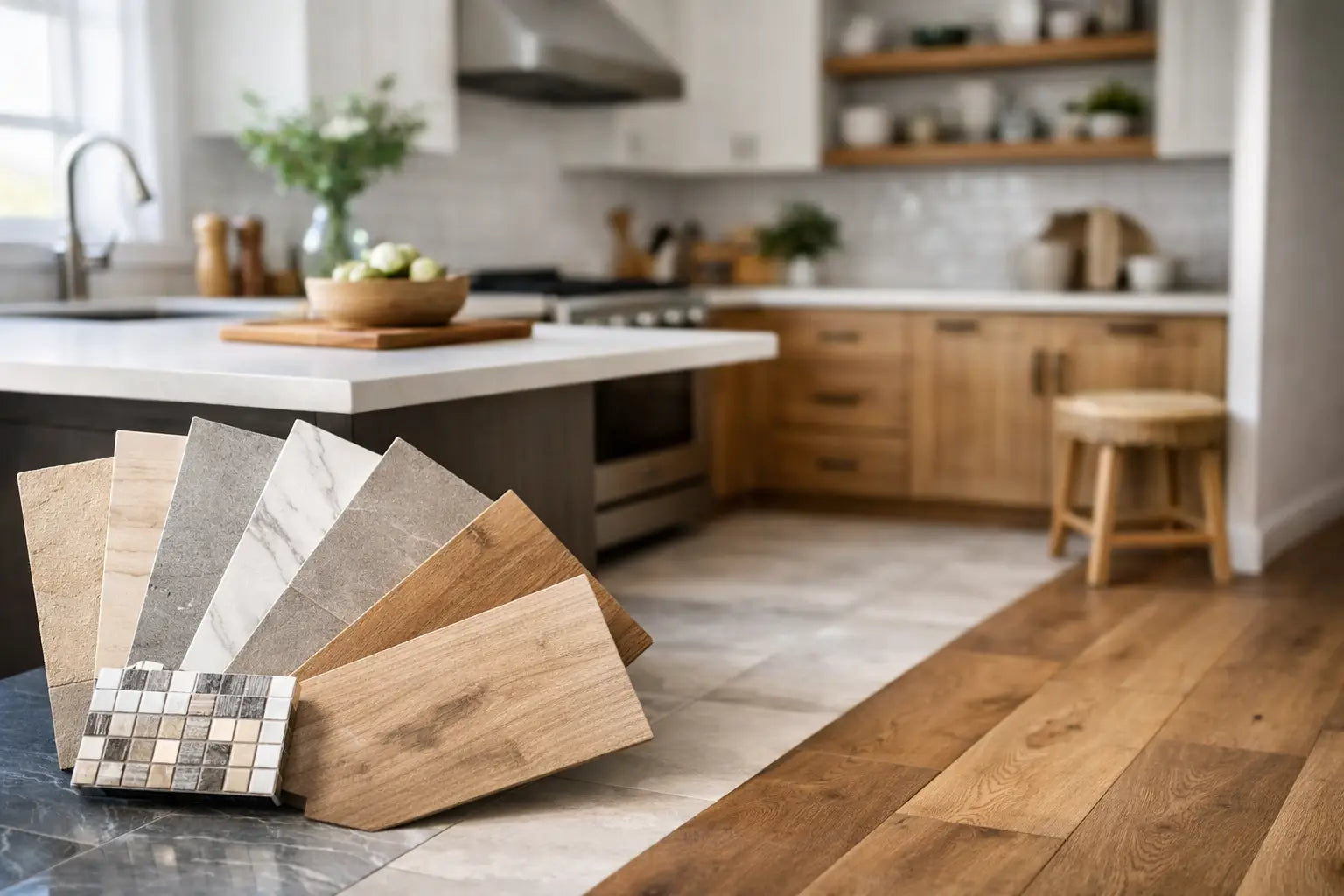
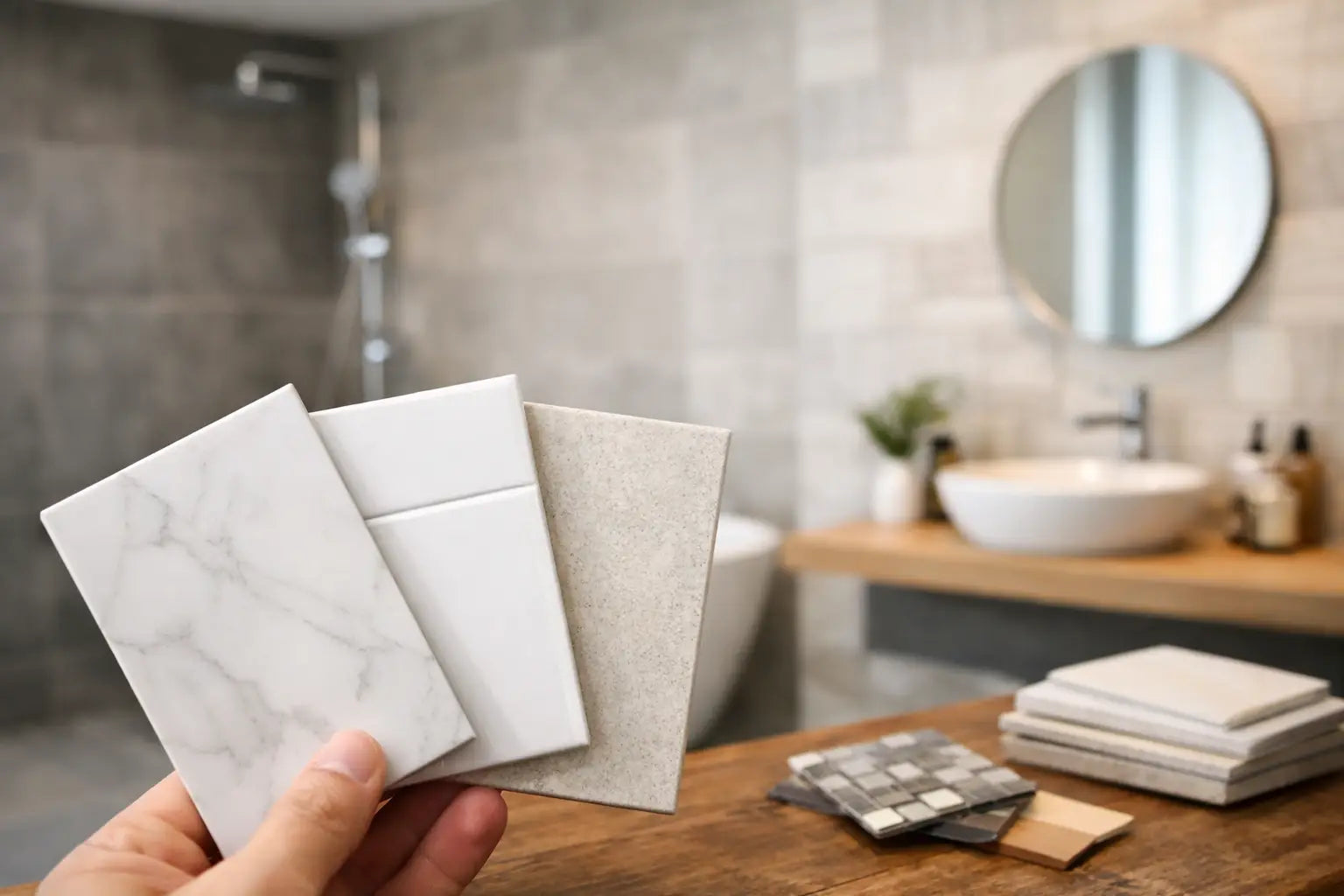
Samples are especially valuable for bathroom walls. A tile can look quite different under showroom lighting, natural daylight and warm bathroom lighting. Ordering samples before committing to full quantities helps avoid expensive changes later.
It also makes sense to plan the full installation system at the same time as the tiles. Adhesives, grout, trims, tanking materials and tile backer boards all affect performance. This is particularly important in showers, wet rooms and refurbishment projects where wall preparation may be inconsistent. A specialist supplier such as Smart Tiles can help ensure the surface finish and installation products are aligned from the outset.
When one tile type is clearly the better choice
Some decisions become easier once the brief is clear.
If you want a cost-effective, attractive tile for general bathroom walls, ceramic is often the right place to start. If you want a more luxurious large-format finish or a coordinated wall-and-floor design, porcelain is usually the stronger option. If you like the look of marble or stone but want easier upkeep, choose a quality porcelain effect tile rather than the natural material. And if the room is small and lacks natural light, a lighter reflective finish may improve the space more than a darker statement tile.
The best result is not about chasing a single universal winner. It is about choosing the tile that fits the room, the style and the installation conditions properly. Get that balance right, and your bathroom walls will not just look good on day one - they will continue to justify the choice long after the rest of the renovation dust has settled.
A good bathroom tile should make decisions easier, not harder. Start with how the room needs to perform, narrow the finish to suit the design, and the right wall tile usually reveals itself quite quickly.