Best Kitchen Floor Tiles for Style and Use
A kitchen floor has to cope with more than most surfaces in the home. It sees spills, chair movement, dropped pans, muddy shoes and constant foot traffic, often all in the same day. That is why choosing the best kitchen floor tiles is rarely just about colour or pattern. The right tile needs to look considered, wear well and suit the way the space is actually used.
For homeowners, that usually means balancing design with day-to-day practicality. For designers, installers and contractors, it also means selecting a product that is consistent, suitable for the substrate and straightforward to specify with the right installation materials. The strongest kitchen floor choices do all three.
What makes the best kitchen floor tiles?
In most kitchens, porcelain tiles sit at the top of the list for a reason. They are dense, durable and well suited to busy domestic and commercial settings. A good porcelain floor tile can handle regular cleaning, resist staining better than many natural materials and offer a wide range of finishes, from soft stone effects to crisp contemporary concrete looks.
That does not mean every porcelain tile is right for every project. The best kitchen floor tiles are the ones that match the level of use, the visual direction of the room and the practical demands of installation. A family kitchen-diner with direct garden access calls for a different surface from a compact flat kitchen used mainly in the evenings.
Ceramic can work in some lighter-duty interiors, but for kitchen floors, porcelain is usually the more dependable specification. It offers stronger performance under pressure and tends to provide greater confidence where longevity matters.
Porcelain kitchen floor tiles: the safest all-round choice
If you want one material that covers most kitchen requirements well, porcelain is it. It is available in matt, textured and polished finishes, across small formats and large format slabs, and in designs inspired by stone, concrete, terrazzo and timber.
Its appeal is not just visual. Porcelain is low maintenance, hard-wearing and less porous than many alternatives. That matters in kitchens, where splashes from oil, water and food are unavoidable. In a renovation setting, it also gives specifiers and homeowners access to a more design-led finish without introducing too much maintenance risk.
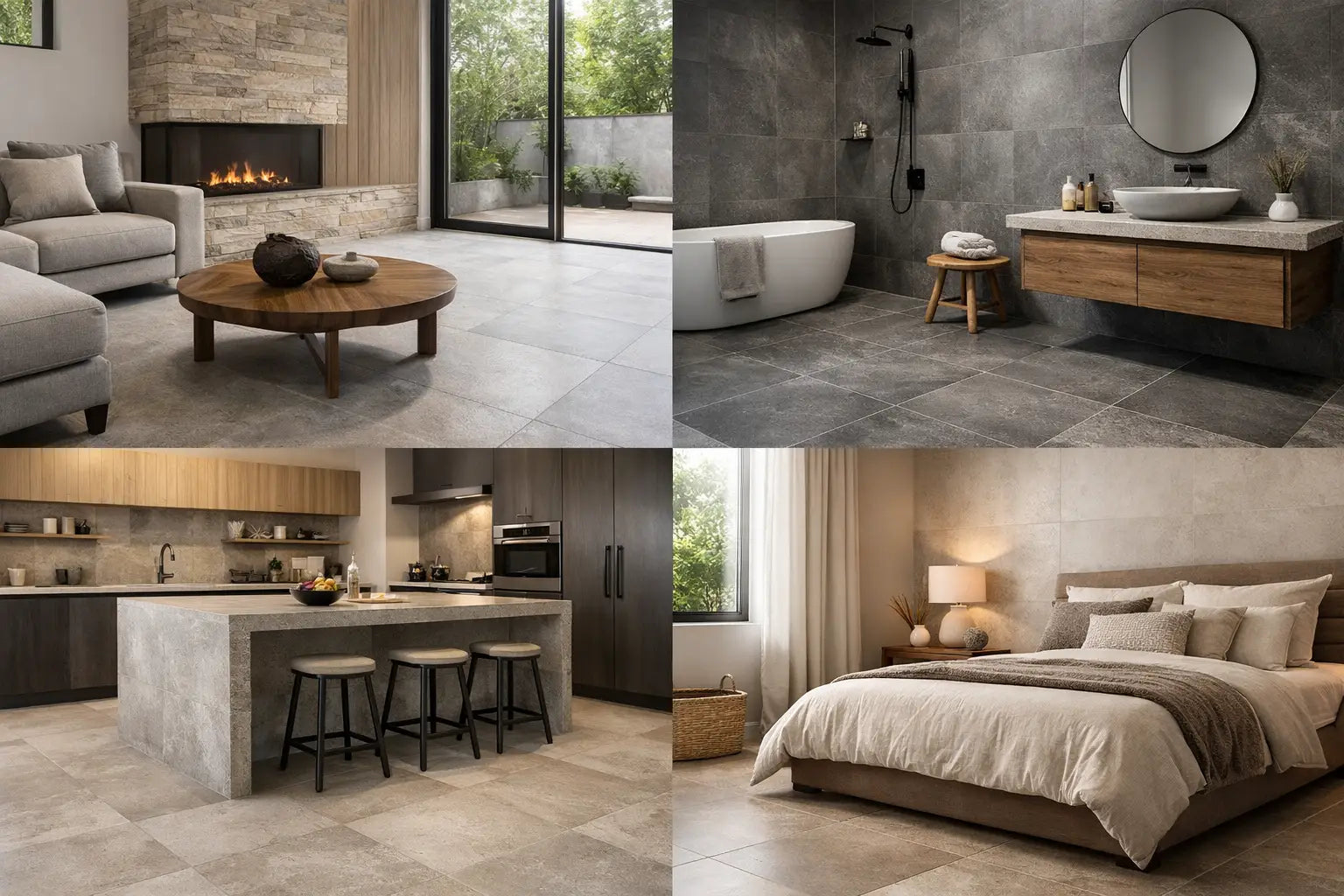
For open-plan spaces, porcelain is especially useful because it can carry the floor finish from the kitchen into dining and living zones without feeling too utilitarian. Stone-effect porcelain works well where a softer, more natural scheme is needed. Concrete-effect porcelain tends to suit contemporary cabinetry and larger spaces. Terrazzo-effect designs can add movement and character without becoming difficult to live with.
Finish matters as much as colour
One of the most common mistakes in kitchen flooring is choosing a finish based only on how it looks in a photo or under showroom lighting. The finish affects grip, cleaning and the way the room feels overall.
Matt finishes are often the safest choice for kitchens. They tend to give a more forgiving appearance, show fewer marks than polished surfaces and offer a practical level of slip resistance for everyday use. A lightly textured matt tile can be particularly effective in high-traffic family spaces.
Polished tiles can look striking, especially in sleek contemporary interiors, but they need more consideration. They may highlight smudges, crumbs and water spots more readily, and in active kitchens they are not always the most forgiving option. That does not rule them out, but it does make them more suitable for lower-traffic or more design-led schemes where appearance takes priority and maintenance is understood.
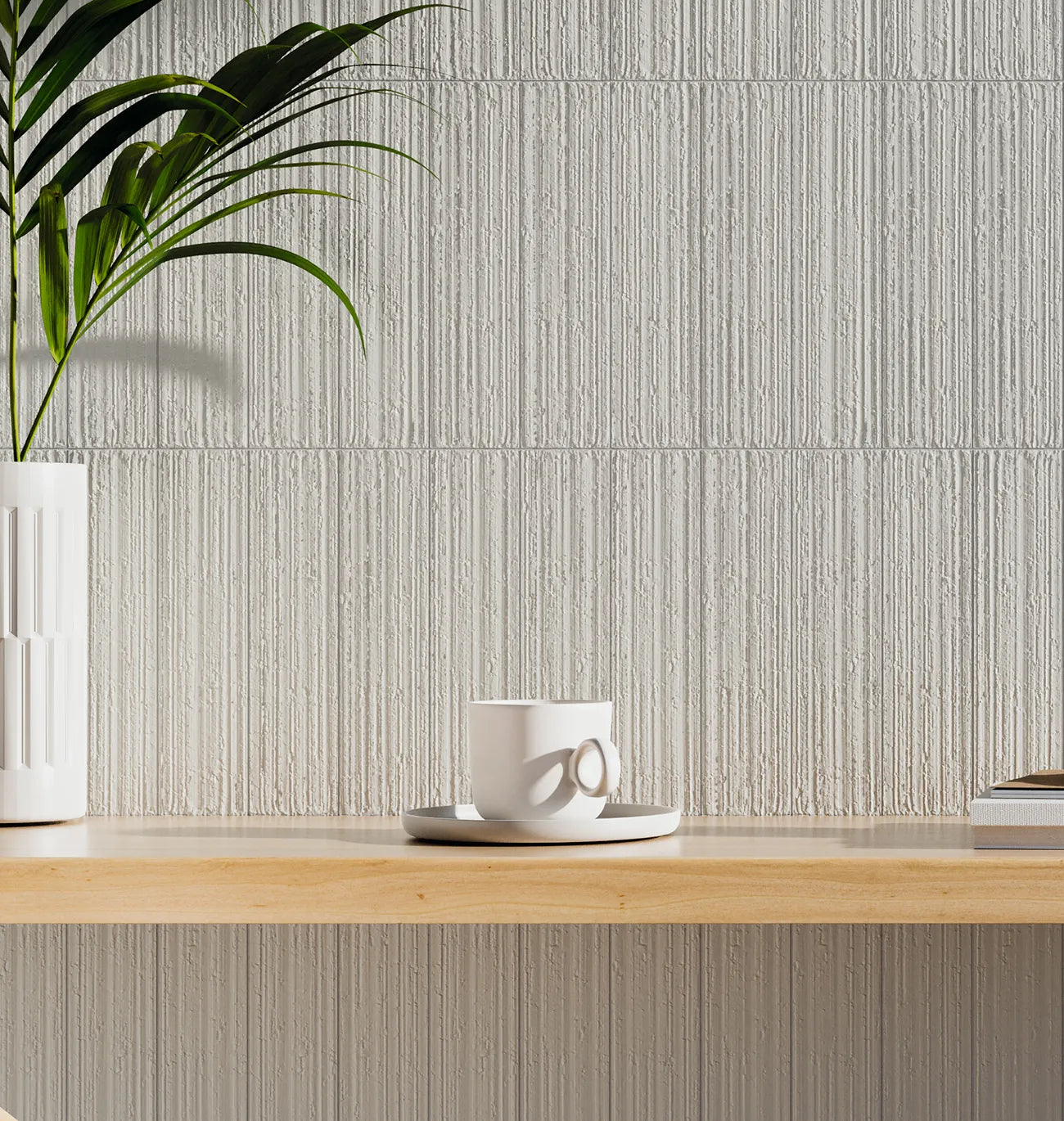
Structured finishes bring more grip, which can be useful near garden doors or in utility-led kitchen spaces. The trade-off is that heavier texture may hold onto more dirt and need a little more attention when cleaning. For most households, a matt porcelain with subtle texture strikes the right balance.
Best kitchen floor tiles by style
The right tile style depends on the cabinetry, worktops, light levels and the size of the room. It is worth viewing the floor as a foundation rather than a feature fighting for attention.
Stone-effect tiles for timeless kitchens
Stone-effect porcelain remains one of the most reliable options for premium kitchen schemes. It gives the grounded, natural feel of limestone, slate or travertine while avoiding many of the maintenance concerns associated with real stone. In shaker kitchens, classic country interiors and refined open-plan layouts, this style works particularly well.
Lighter stone tones can help smaller kitchens feel more open, while mid-greys and warmer taupes tend to be practical for family use because they disguise everyday debris more effectively.
Concrete-effect tiles for contemporary spaces
Concrete-effect porcelain suits modern cabinetry, handleless kitchens and minimalist architecture. It delivers a clean, architectural base without the movement and variation of more traditional materials. This can be especially effective in larger formats, where fewer grout lines help the floor feel calmer and more expansive.
The main consideration is warmth. Cooler greys can look excellent, but in kitchens with limited natural light they may need balancing with timber, brass or warmer paint tones.
Wood-effect tiles for warmth with durability
For clients who like the look of timber but want the resilience of tile, wood-effect porcelain is a strong option. It brings warmth into the kitchen and can work well in open-plan homes where a softer finish is preferred. It is also useful where real wood may be less suitable because of moisture, heavy traffic or cleaning demands.
Not all wood-effect tiles are equal, though. The better options have convincing grain, varied faces and a more natural plank proportion. The aim is a premium timber look, not a printed imitation.
Tile size and layout can change the whole room
There is no single best size for a kitchen floor tile. The right format depends on room proportions, the amount of cutting required and the overall design intent.
Large format tiles can make a kitchen feel more spacious because there are fewer grout lines interrupting the floor. They are often a strong choice in open-plan extensions and contemporary renovations. However, they require a suitably prepared substrate and careful installation to achieve a clean result, particularly where levels vary.
Smaller formats can bring more detail and charm, especially in period homes or compact kitchens. They are often easier to work around awkward layouts, islands and thresholds. Patterned layouts, herringbone effects and decorative formats can be effective, but they should be used with purpose. In a hard-working kitchen, too much visual activity on the floor can become tiring.
Practical checks before you choose
The best kitchen floor tiles are not chosen on appearance alone. A few practical checks can prevent expensive mistakes later.
Slip resistance matters, particularly in family homes, rental properties and commercial kitchens. Kitchens are dry most of the time, but spills happen quickly. A tile with an appropriate slip rating and a usable surface finish gives better long-term confidence.
Shade variation is another point worth checking. Some tiles are intentionally uniform, while others have strong tonal movement from piece to piece. Neither is wrong, but the variation should suit the design brief and be understood before ordering.
Grout colour also plays a bigger part than many buyers expect. A grout that is too light can show marks quickly in busy kitchens, while one that is too dark may overemphasise every joint. Usually, a complementary mid-tone creates a cleaner and more practical result.
Then there is quantity planning. Kitchens often include cuts, thresholds, island returns and service areas that affect ordering. Accurate coverage calculation, along with a sensible allowance for wastage, is part of a smooth project rather than an afterthought.
Installation affects performance
Even the best kitchen floor tiles can disappoint if the installation build-up is wrong. Substrate condition, movement, levelling and adhesive choice all matter. Larger format porcelain in particular needs the correct preparation and fixing products to perform properly.
This is where a complete approach to specification is useful. Tiles, adhesive, grout, trims, levelling systems and boards should be considered together, especially on renovation projects where existing floors may not be ideal. For trade buyers, this reduces risk. For homeowners, it means fewer surprises once fitting begins.
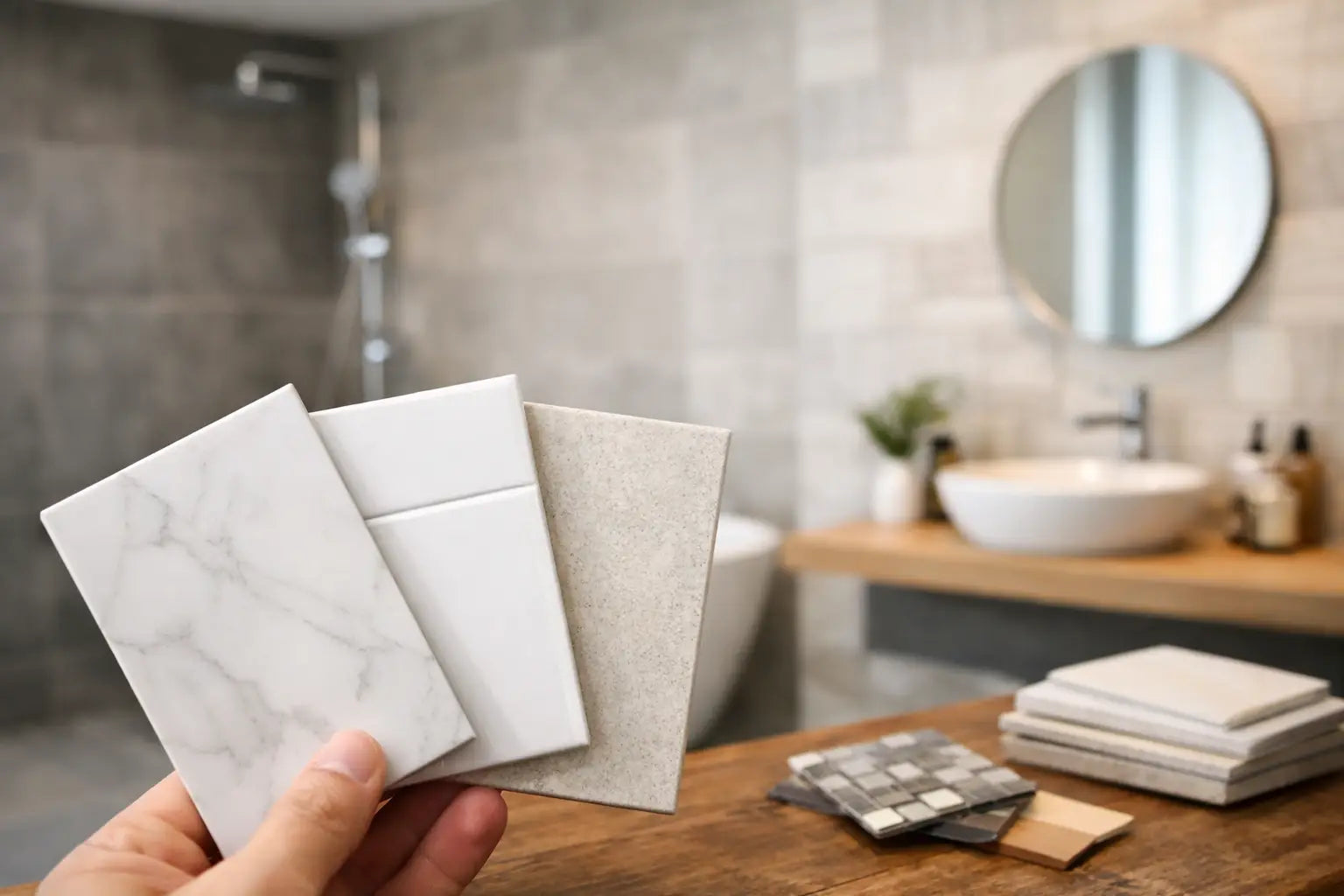
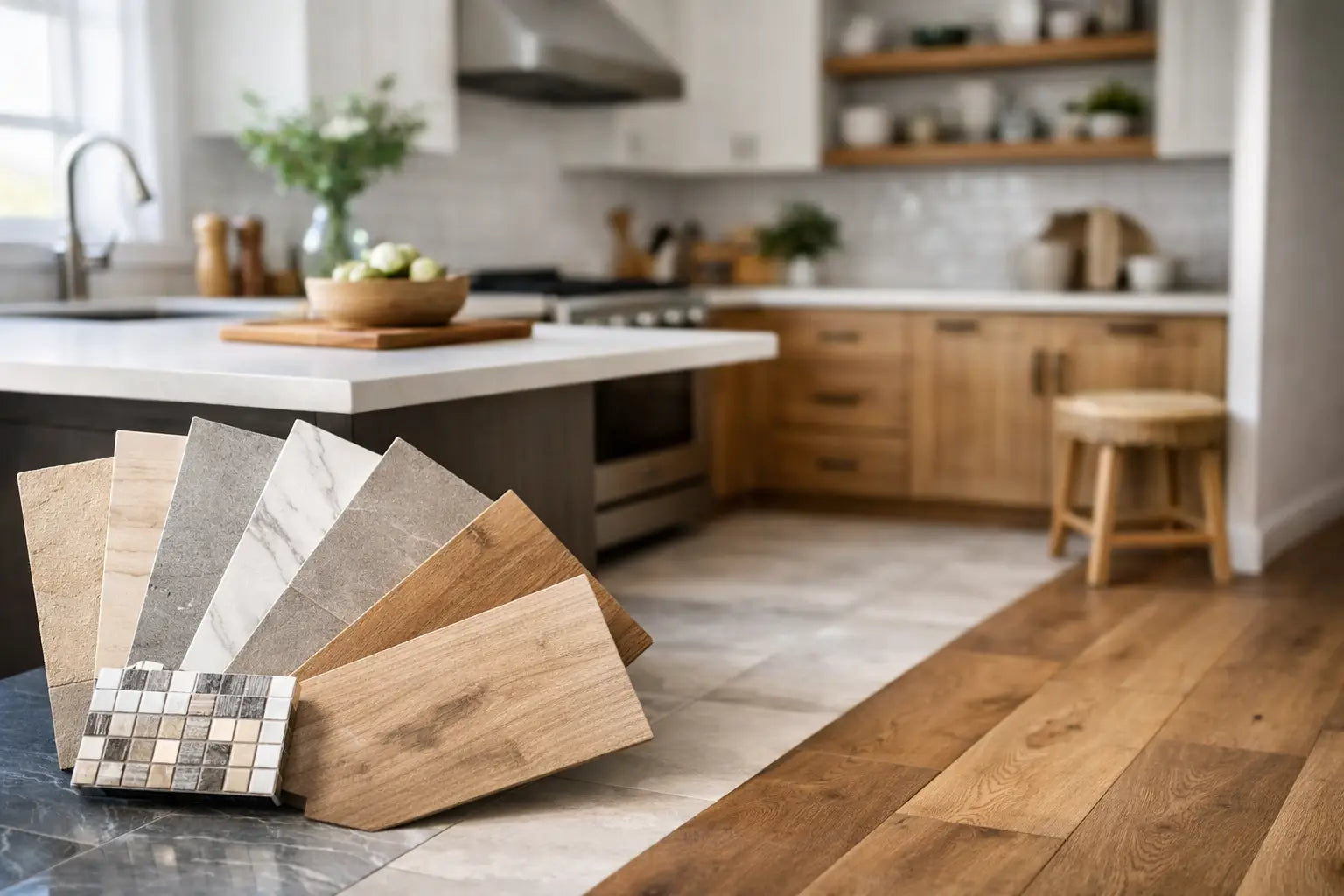
Sampling also has real value. A tile that looks perfect online can read differently against cabinetry, wall colour and natural light in the actual kitchen. Seeing the surface, scale and shade in person leads to better decisions than relying on a screen image alone.
Best kitchen floor tiles for long-term value
The best kitchen floor tiles are usually the ones that keep working long after the installation is finished. That means a surface that still looks current in five years, cleans without fuss and stands up to everyday use without constant attention.
In most cases, that points towards quality porcelain in a practical matt finish, with a design that complements the kitchen rather than dominating it. Stone-effect and concrete-effect options remain the most versatile choices, while wood-effect porcelain offers warmth where a softer look is preferred.
If the decision feels finely balanced, it often helps to think less about what looks most impressive on day one and more about what will still feel right after years of cooking, cleaning and living with the space. The right tile should make the kitchen easier to use and better to look at, not ask for compromises every week.