Best Grout for Bathroom Tiles: What to Choose
A bathroom can be finished with beautiful tiles and still disappoint if the grout is wrong. Choosing the best grout for bathroom tiles is not just about colour - it affects water resistance, ease of cleaning, movement tolerance and how sharp the whole installation looks once complete.
For homeowners, the right grout helps a new bathroom stay cleaner and look more refined for longer. For installers and specifiers, it reduces call-backs, staining issues and premature failure in wet areas. That is why grout should be selected with the same care as the tile itself.
What makes the best grout for bathroom tiles?
The best choice depends on where the tile is going, the width of the joint, the type of tile and how heavily the bathroom will be used. A decorative cloakroom wall has different demands from a family shower enclosure or a hotel bathroom floor.
In most bathroom projects, grout needs to do four things well. It should resist moisture, cope with regular cleaning, suit the tile finish and remain stable once cured. If one of those points is missed, the installation may still look good on day one, but it is less likely to perform properly over time.
There is no single grout that is right for every bathroom. Cement-based grout is still a dependable choice for many wall and floor applications, particularly when paired with the correct additive or where a flexible formulation is specified. Epoxy grout offers higher stain and water resistance, but it is not always the most practical choice for every installer or budget.
Cement or epoxy grout for bathroom tiles
Cement-based grout
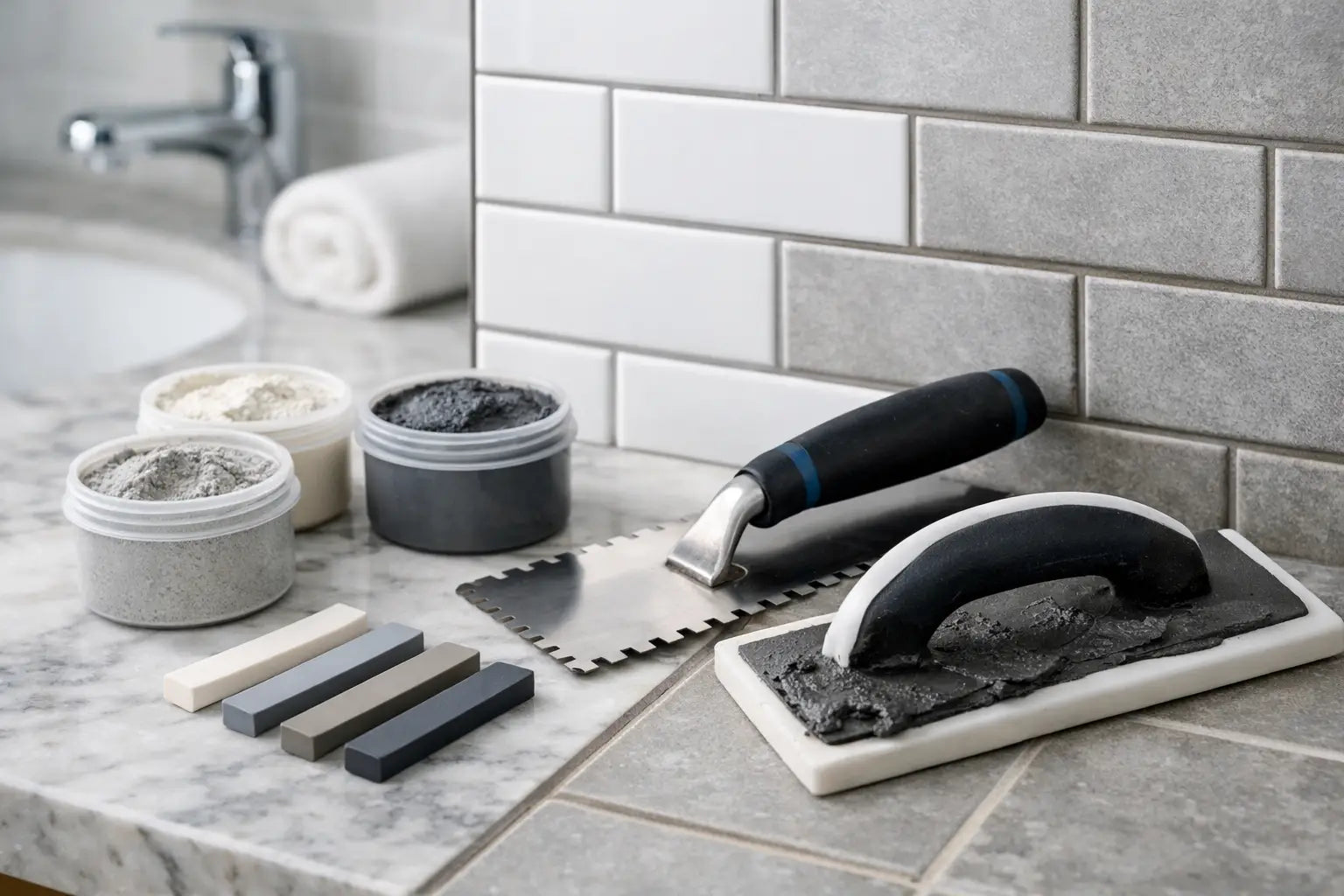
Cement-based grout is the most widely used option in residential bathroom installations. It is versatile, cost-effective and available in a broad range of colours, which makes it easier to match contemporary porcelain, decorative ceramics and stone-effect finishes.
For standard bathroom walls and many floor areas, a quality cementitious grout is often the most balanced option. It is generally easier to apply than epoxy, especially on larger-format wall tiles or where the programme needs to move efficiently. Many modern formulations also include mould-resistant and water-repellent properties, which make them far more capable than older basic mixes.
That said, not all cement grouts are equal. In a shower enclosure or wet room, product specification matters. A higher-performance flexible grout is usually the better route, particularly where underfloor heating, timber substrates or minor movement are part of the build-up.
Epoxy grout
Epoxy grout is often considered the premium performance option. It is highly resistant to water absorption, staining and chemical exposure, which makes it attractive for shower areas, wet rooms and some commercial bathrooms where hygiene and long-term appearance are priorities.
Its advantages are real, but there are trade-offs. Epoxy is more expensive, more demanding to install and less forgiving during application and clean-up. On detailed walls, mosaics or fast-moving commercial programmes with experienced installers, it can be an excellent choice. On a straightforward domestic bathroom, it may be more than is necessary.
If the goal is low porosity and strong stain resistance, epoxy deserves consideration. If the priority is efficient installation, reliable performance and broader ease of use, a premium cement-based flexible grout is often the more practical specification.
Choosing grout by bathroom area
Shower walls and wet areas
The shower is usually the most demanding part of the room. Constant moisture, heat changes and regular cleaning all put pressure on the joints. In these areas, the best grout for bathroom tiles is normally a high-performance grout designed for wet environments, with good water repellency and resistance to mould growth.
Epoxy can work very well here, particularly in heavily used bathrooms or commercial settings. For many domestic installations, though, a quality flexible grout paired with correct waterproof preparation behind the tiles offers an excellent balance of performance and value.
Bathroom floors
Floors need grout that can handle foot traffic and slight movement in the substrate. If there is underfloor heating, flexibility becomes even more important. A grout that is too rigid can be more vulnerable to cracking over time.
For porcelain floor tiles, especially rectified formats with tight joints, make sure the grout is suitable for the intended joint width. Fine-joint products can create a cleaner finish on modern schemes, but they still need to suit the tile and installation method.
Feature walls and decorative tiles
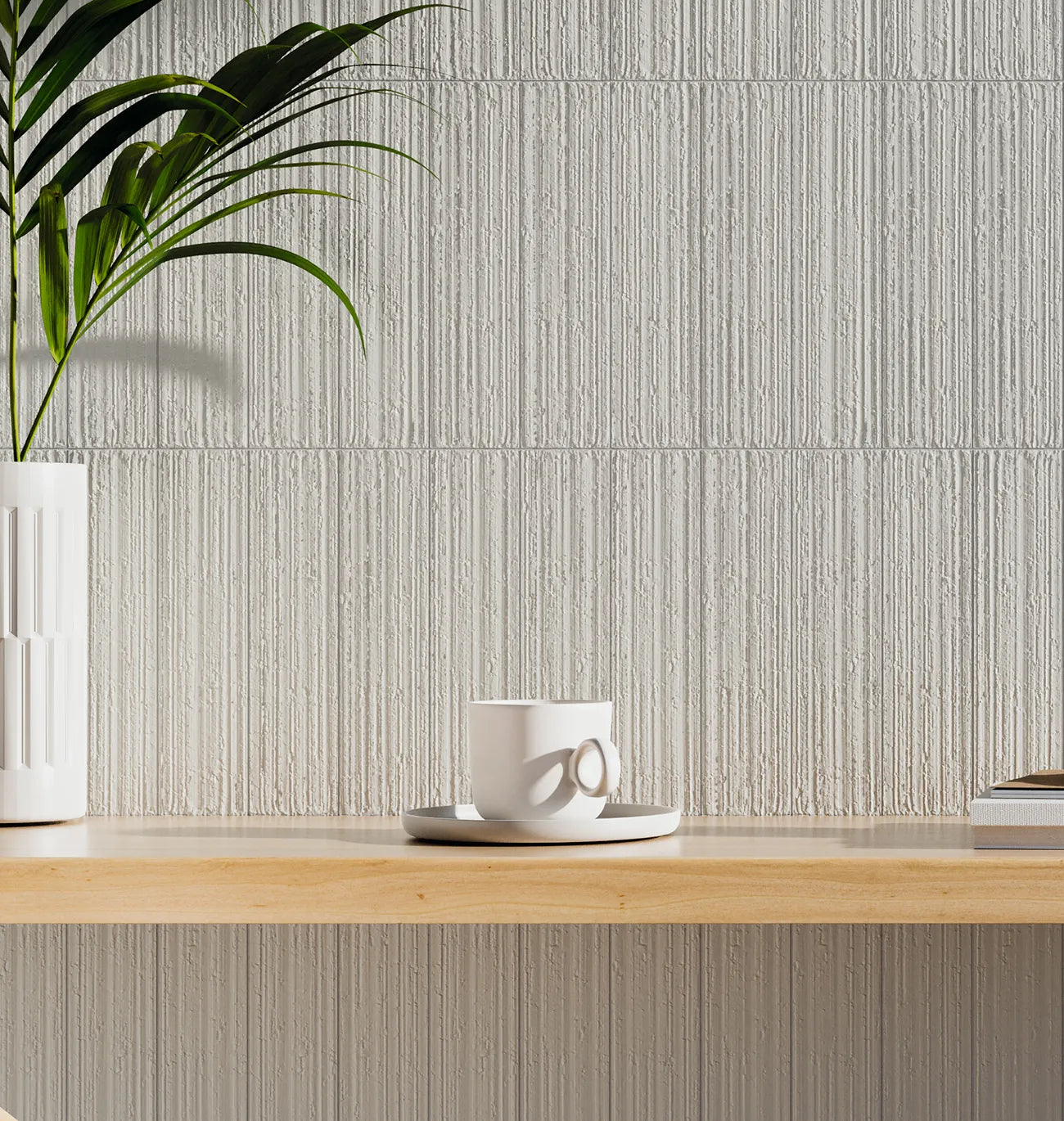
On statement walls, grout colour can have as much visual impact as the tile itself. A close tonal match creates a more seamless, design-led finish. A contrasting grout can emphasise shape and pattern, which works particularly well with metro tiles, fluted surfaces and geometric layouts.
In these locations, performance still matters, but appearance often drives the final decision. The key is not to choose colour alone. The grout still needs to be suitable for bathroom humidity and routine cleaning.
Joint width, tile type and finish matter
Grout selection should always reflect the tile being used. Large-format porcelain with minimal joints needs a different approach from uneven handmade-effect ceramics or natural stone-effect tiles with a more textured surface.
Joint width is one of the first things to check. Some grouts are made for narrow joints, while others are intended for wider spaces. Using the wrong type can affect finish quality, curing and durability.
Tile porosity also matters. Some textured or more absorbent surfaces can be harder to clean after grouting, so the installer may need to adjust the method or use a suitable pre-treatment. This is particularly relevant on decorative matt tiles and some feature surfaces where grout haze can be more noticeable.
For natural stone, grout and sealer compatibility should be checked carefully. Bathrooms increasingly feature stone-effect porcelain rather than genuine stone, which simplifies maintenance, but if natural materials are being specified, the supporting installation products need closer review.
How grout colour changes the final result
White grout remains popular in bathrooms, but it is not always the easiest option to live with. On bright wall tiles it can look crisp and clean, yet on floors or in family bathrooms it may show discolouration sooner than a mid-tone shade.
Grey, silver and beige tones are often more forgiving while still keeping the installation light and contemporary. Dark grout can create strong definition, although it may dominate if used with smaller tiles in a compact bathroom.
The most successful colour choice usually sits between design intent and maintenance expectations. In premium residential bathrooms, many clients want a calm, cohesive finish, so matching grout closely to the tile body or surface tone often gives the most elegant result.
Common mistakes when selecting bathroom grout
One of the most common issues is treating grout as an afterthought. Tiles are chosen carefully for finish, size and style, then grout is selected at the last minute based on what is available. That can lead to poor colour matching, unsuitable performance or avoidable delays.
Another mistake is assuming waterproof grout makes the full tile assembly waterproof. Grout is only one part of the system. In showers, wet rooms and other exposed areas, proper tanking or waterproof preparation behind the tiles is essential.
It is also easy to underestimate movement. Bathrooms are humid spaces, and floors may be heated. A suitable flexible grout, along with correct movement joints where required, gives the installation a better chance of performing well over time.
So, what is the best grout for bathroom tiles?
For most domestic bathroom walls and floors, a premium flexible cement-based grout is the strongest all-round choice. It offers reliable performance, a good finish and easier installation across a wide range of porcelain and ceramic tiles.
For shower enclosures, wet rooms and demanding commercial settings, epoxy grout can be the better specification where higher stain resistance and lower absorption are priorities, provided the installer is confident using it.
The real answer is that the best grout is the one that suits the tile, the room and the way the space will be used. A design-led bathroom needs grout that looks right. A hardworking bathroom needs grout that performs. The best projects get both.
If you are choosing tiles and installation materials at the same time, it makes sense to specify grout as part of the full surface system rather than as a final add-on. That approach gives homeowners, designers and trade buyers more confidence from the first sample through to the finished room - and usually delivers a better bathroom once the last tile is cleaned down.